
In today’s rapidly evolving technology landscape, thermal camera drones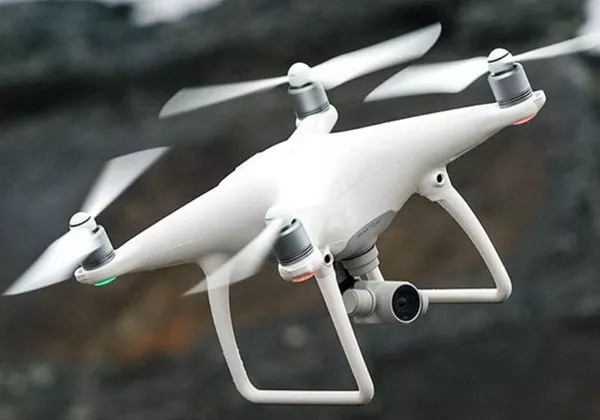 have emerged as revolutionary tools. These drones, equipped with advanced thermal imaging capabilities, allow for unparalleled precision and enhanced safety in various applications ranging from search and rescue missions to infrastructure inspections.
Understanding Thermal Imaging
Thermal imaging enables the detection of heat differences and structures invisible to the naked eye. Unlike standard cameras that capture light reflections, thermal cameras detect temperature variations, allowing users to visualize heat signatures and contrasts. This technology is essential in industries where hunting for temperature anomalies is crucial, such as energy inspections or security monitoring.
Applications in Various Industries
Thermal camera drones are extensively used across industries. In firefighting, these drones can pinpoint hot spots without jeopardizing human life. In agriculture, they assist in assessing plant health, identifying areas of heat stress or irrigation leaks. Infrastructure inspections benefit greatly as drones ease the process of locating thermal leaks or structural vulnerabilities in buildings.
Advancing Search and Rescue Operations
Search and rescue teams have increasingly harnessed the capabilities of thermal camera drones in locating missing persons during wilderness rescues. By swiftly analyzing vast areas from the sky, these drones can accurately identify heat signatures, providing crucial data to rescuers.
The ability to fly over treacherous terrains gives rescuers unique insights that ground team visibility cannot offer.
Enhancing Security Measures
Beyond rescue operations, thermal camera drones are pivotal in enhancing security protocols. These aerial devices are adept at surveying perimeters during night-time operations, utilizing their heat-detection ability to identify unauthorized access or potential threats in real-time without direct line-of-sight.
Technological Innovations
With advancements in drone technology, thermal cameras have become lighter and more efficient, offering increased flight times and improved image resolutions. Manufacturers continue to refine software analytics, enabling detailed assessments and reports that vastly improve decision-making processes in critical applications.
Limitations and Challenges
Despite their many advantages, thermal camera drones face challenges such as sensitivity to environmental conditions that may affect accuracy. Additionally, privacy concerns and regulations must be navigated carefully, ensuring that operations adhere to standards and do not infringe upon individual rights.
Future Of Thermal Camera Drones
The future holds promising advancements. Machine learning integration could further enhance thermal image analysis, predicting patterns and trends unseen by traditional analysis methods. As legal frameworks adapt, drone technology is proving indispensable, and professionals universally recognize their contributions.
FAQs
What is the maximum range of a thermal camera drone? The range varies based on drone specifications and environmental factors. Generally, they can detect heat signatures from hundreds of meters away.
Are thermal camera drones expensive? Costs range widely depending on features and capabilities, but the investment often reflects the critical enhancements they provide in safety and operational efficiency.
Can thermal camera drones be used in all weather conditions? While they function efficiently in diverse conditions, extreme weather can impair their accuracy. It’s essential to assess environmental factors prior to deployment.