
In recent years, the widespread use of drones has garnered significant attention, prompting swift advancements in drone laws. These regulations are crucial for ensuring both safety and accessibility for all drone enthusiasts. As technologies evolve, so do the legal requirements, compelling drone operators to stay informed about the latest updates.
Current Regulations and Requirements
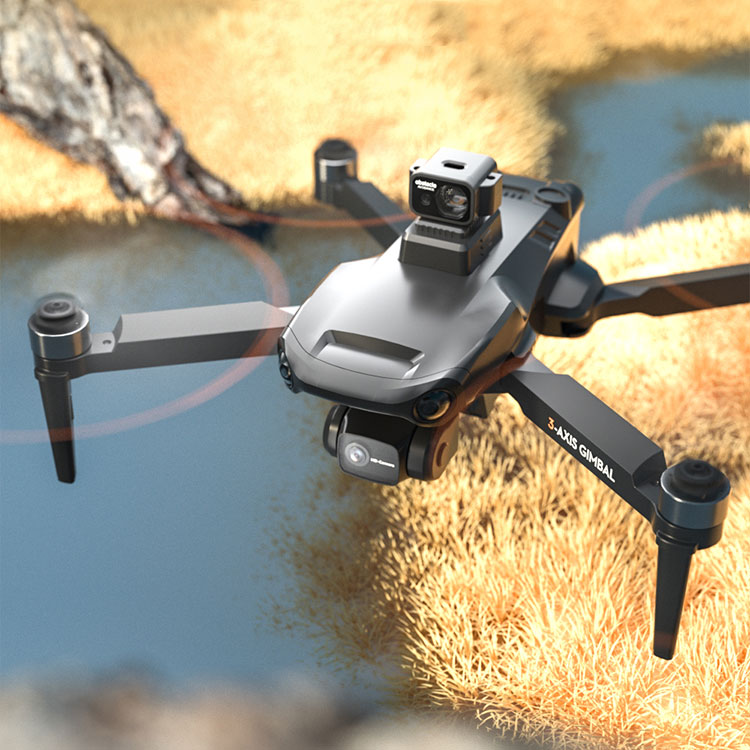
The Federal Aviation Administration (FAA) plays a pivotal role in shaping drone laws in the United States. All drone pilots, whether for recreational or commercial purposes, must comply with FAA guidelines. Among these, registering your drone is a primary requirement. If your drone weighs between 0.55 and 55 pounds, registration is mandatory.
The Knowledge Test
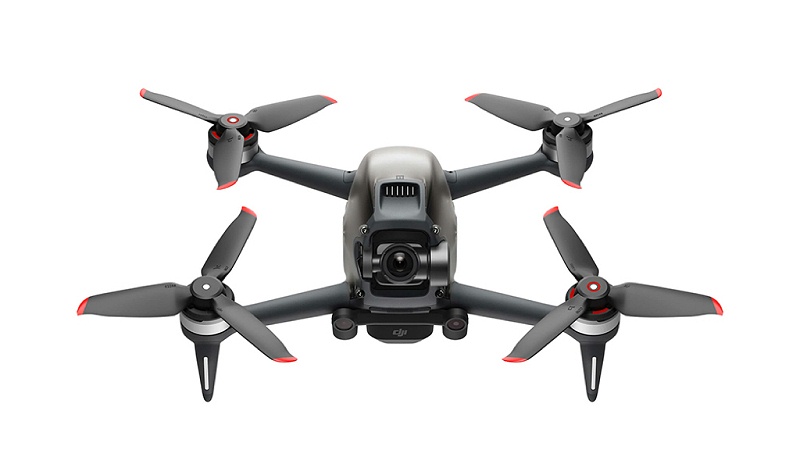
Recently, the FAA introduced a knowledge test requirement for recreational flyers to ensure they understand the core principles of drone operation and safety. Successfully passing this test grants pilots the TRUST certificate, an acronym for The Recreational UAS Safety Test. This certification aims to mitigate risks associated with inexperienced drone handling.
Operational Limitations and Airspace Restrictions
Another critical aspect of drone laws includes operational restrictions. For example, drones must remain within the operator’s line of sight at all times. Additionally, flying drones above 400 feet is prohibited unless authorized, as doing so could pose a risk to manned aircraft. Understanding airspace classifications is essential, and many tools, including mobile apps, help identify no-fly zones.
Privacy and Legal Concerns
As drones increasingly inhabit urban skies, privacy concerns have escalated. Laws now require operators to respect others’ privacy rights. Trespassing laws, harassment, or surveillance without consent could lead to severe penalties.
Global Drone Regulations
Drone regulations vary significantly across different countries. For international drone operators, it is imperative to study and comply with local drone laws. For instance, in Europe, the European Union Aviation Safety Agency (EASA) manages airspace, requiring similar registration and certification procedures to those in the U.S.
Technological Innovations and Future Prospects
With technological advancements, drone laws continue evolving. The implementation of Remote ID, which functions like a digital license plate for drones, is on the horizon. This feature aims to enhance accountability by providing identifying information when the drone is in flight.
Common Questions about Drone Laws
Can I fly my drone in a national park?
No, flying drones in national parks is generally prohibited without special permits. This restriction helps protect natural wildlife and preserve the serenity of these environments.
Are there exceptions to airspace restrictions?
Certain events or locations may offer waivers for specific airspace restrictions. However, these are rare and often require rigorous justification and approval from regulatory authorities.
How can I avoid fines and penalties?
To avoid fines, ensure compliance with all local, state, and federal regulations. Staying informed about the latest guidelines through newsletters or official FAA updates can help.