
In recent years, the integration of drones with thermal cameras has revolutionized surveillance and monitoring across a multitude of industries. These advanced drones are equipped with thermal imaging capabilities that allow for the detection of temperature variations in their environment, making them indispensable tools for security, wildlife protection, and search and rescue operations. As technology continues to evolve, the use of thermal camera drones has expanded, offering new possibilities for enhanced surveillance.
Thermal imaging technology on drones works by capturing infrared radiation emitted by objects. This is particularly useful in low-visibility conditions, such as nighttime or through smoke, as it provides a clear image of the thermal patterns emitted. The advancements in this technology have led to the development of more compact and affordable thermal cameras that can be mounted on drones, making them accessible to a wider range of users.
Applications of Thermal Camera Drones
- Wildlife Monitoring: Drones with thermal cameras are increasingly used for wildlife protection. They help in monitoring animal populations and detecting poachers, especially in vast and remote areas where human patrolling is challenging.
- Search and Rescue
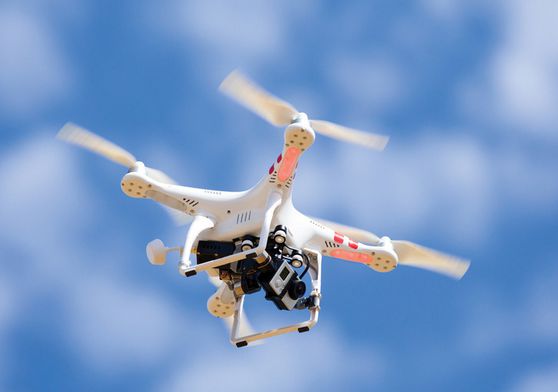 : In the aftermath of natural disasters or during night missions, thermal drones are vital for locating missing persons. Their ability to detect body heat makes them effective for rapid deployment in search and rescue operations.
 - Security and Law Enforcement: For perimeter security and surveillance, thermal drones can spot unauthorized entries, identify suspects, and even assess situations without direct human interaction, increasing safety for law enforcement officers.
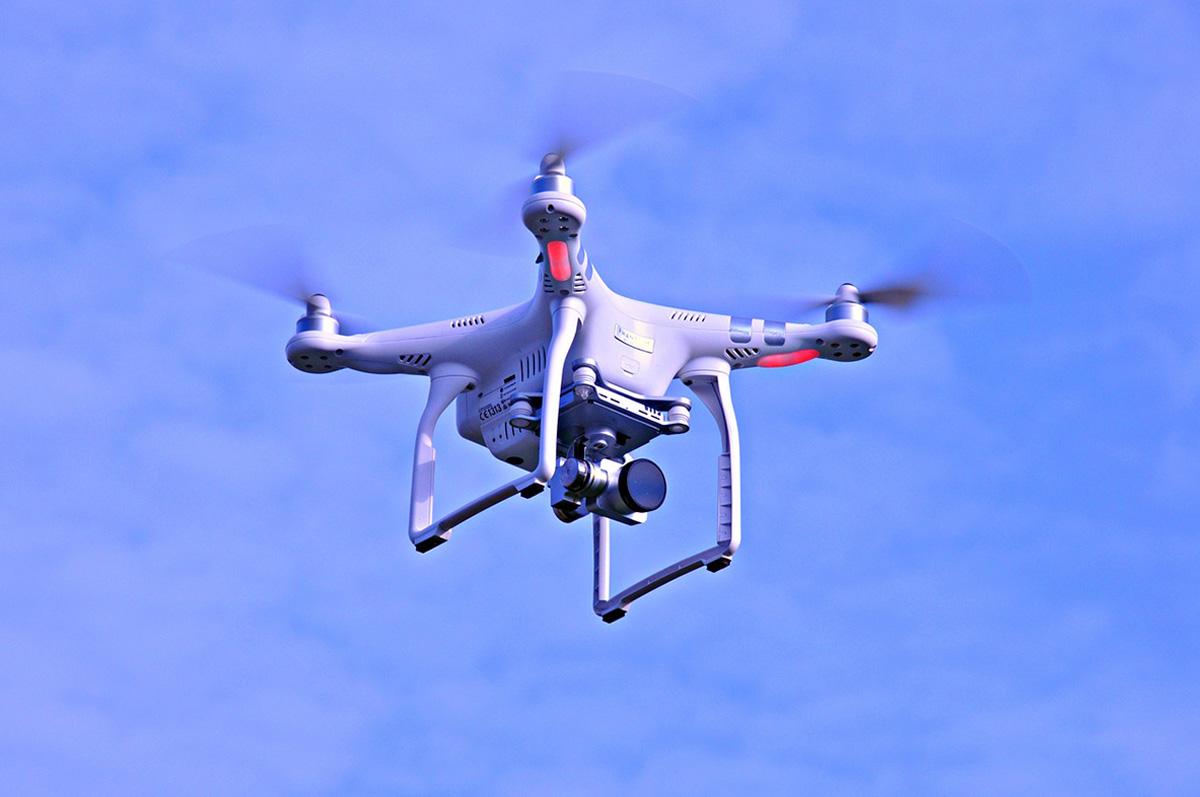
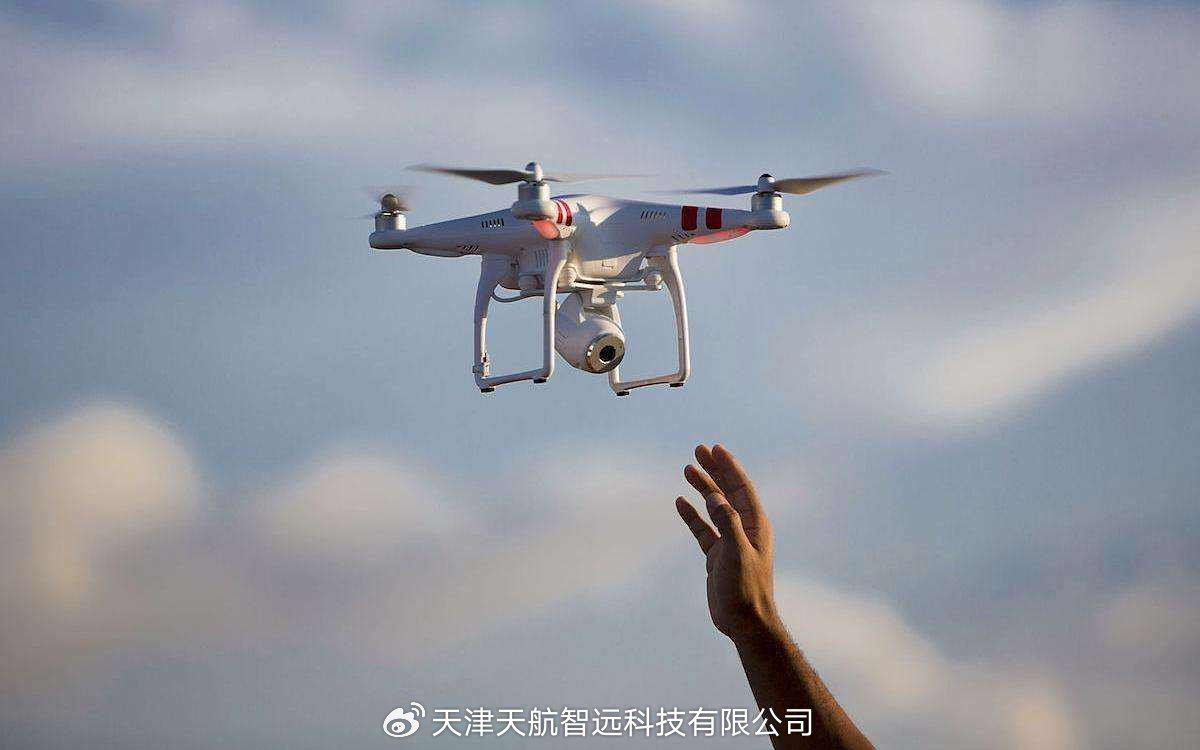
One major benefit of thermal cameras on drones is their capacity to operate in diverse environments. Whether it’s urban areas, dense forests, or mountainous terrains, these drones provide unparalleled versatility. The affordability and ease of use have also contributed to their growing adoption in commercial applications, such as ensuring safety on large industrial sites.
The integration of artificial intelligence (AI) with thermal imaging drones is another exciting development. AI algorithms enable the drones to autonomously analyze thermal data, identifying patterns and anomalies in real-time, which can significantly enhance decision-making processes.
Overall, drones equipped with thermal imaging technology represent a breakthrough in modern surveillance practices, promising further advancements as technology continues to improve. The road ahead looks promising, and it will be fascinating to see how these drones evolve and what new applications they will discover.