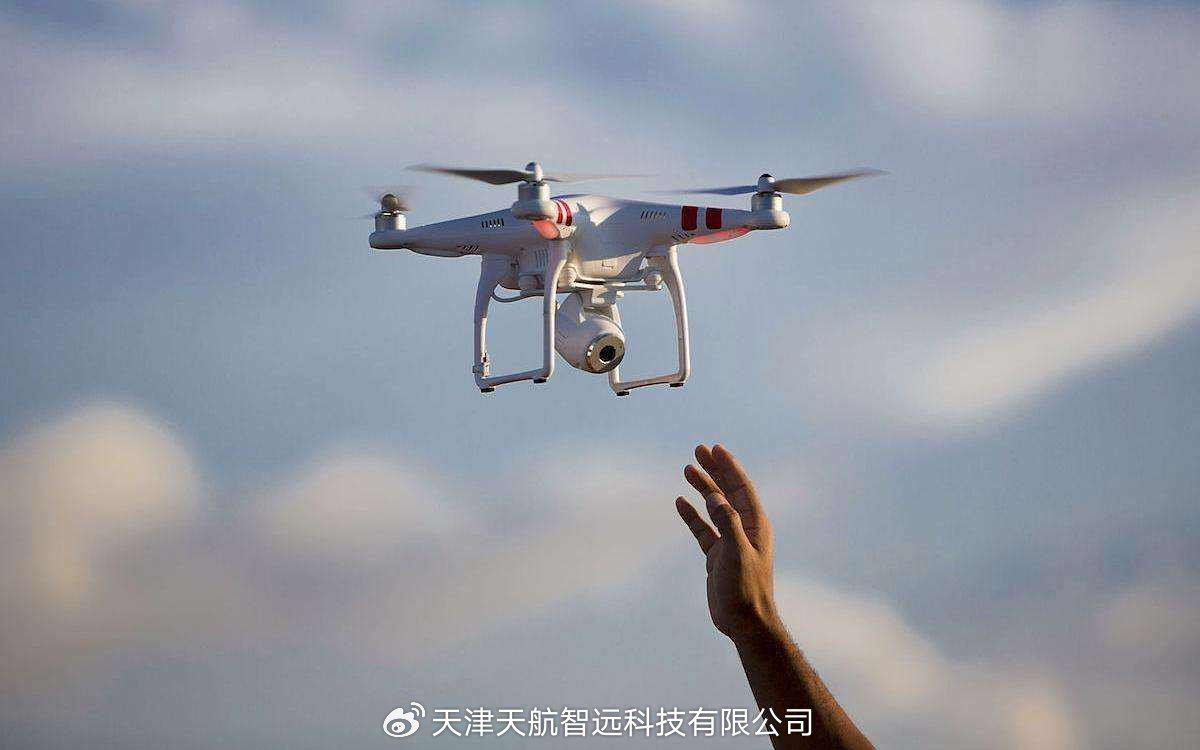
The introduction of thermal camera drones has dramatically transformed the landscape of aerial surveillance. These advanced drones provide the capability to capture thermal images and videos, thereby enabling users to conduct comprehensive inspections in a variety of fields, such as construction, agriculture, and security monitoring. The integration of thermal imaging technology into drones offers numerous advantages, including enhanced visibility in low-light conditions, precise temperature readings, and the ability to detect objects otherwise invisible to the naked eye.
Why Thermal Camera Drones Are Gaining Popularity
The primary reason for the rapid adoption of thermal camera drones lies in their versatility. In the agricultural sector, farmers utilize these drones to monitor crop health, identify areas of water stress, and optimize irrigation. Construction managers employ them to conduct structural health assessments, identifying issues such as heat leaks and electrical malfunctions before they become significant problems. Furthermore, public safety agencies deploy these drones for search and rescue operations, firefighting, and border security. The ability to capture clear images in darkness and smoke-laden environments is invaluable.
Technological Advancements in Thermal Drones
Thermal camera drones have seen significant technological advancements in recent years. Modern thermal sensors are becoming increasingly sensitive and are capable of capturing high-resolution thermal images. The integration of artificial intelligence with drone technology allows for autonomous flight patterns, which can follow pre-set routes or identify objects of interest in real-time. Innovations in battery technology also extend flight times, enabling these drones to cover larger areas without requiring frequent recharging.
Applications Beyond Aerial Surveillance
While the primary use of thermal camera drones is for surveillance, their applications extend beyond this. In wildlife conservation, for example, these drones are used to monitor animal populations and track poachers by detecting body heat. In the field of energy, they’re employed to inspect solar panels and wind turbines for hot spots, ensuring efficient energy production. These applications highlight the myriad ways thermal camera drones are being leveraged to enhance efficiency and safety across multiple industries.
- Advantages of Thermal Imaging
- Enhanced safety and security
- Non-invasive environmental monitoring
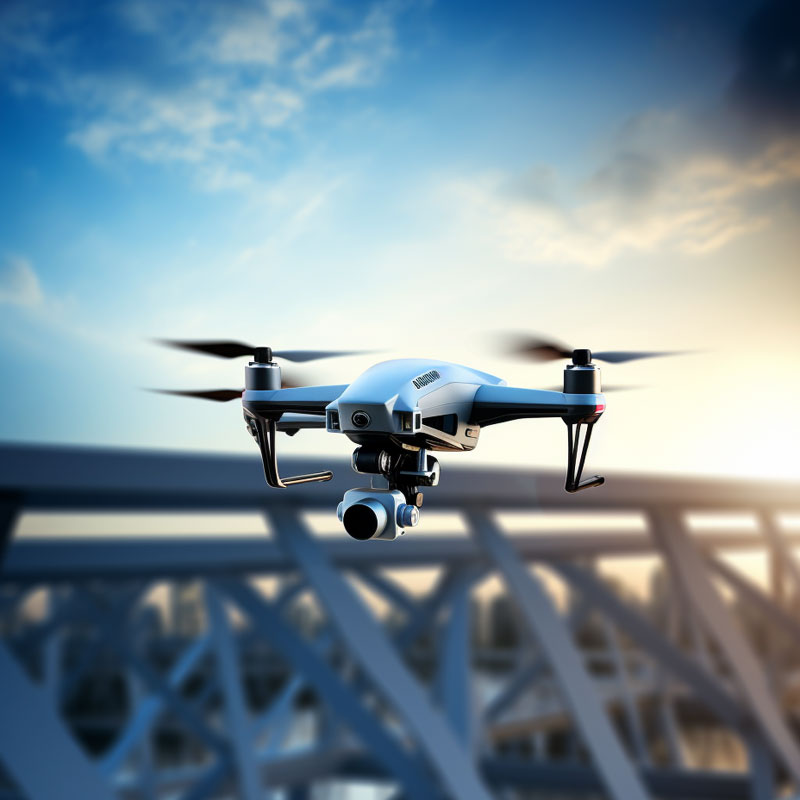
The advantages of thermal imaging are manifold. Notably, they enhance safety and security by allowing operators to detect potential threats or hazards that might not be apparent through visual imaging alone. Thermal imaging is also non-invasive, meaning it poses little risk to the subject or environment being monitored. This feature is particularly beneficial in wildlife monitoring and conservation.
The Future of Thermal Camera Drones
As the technology and accessibility of thermal camera drones continue to evolve, their role in industry is set to expand further. Experts predict an increase in autonomous, AI-driven models that can adapt to various terrains and conditions. As costs lower, smaller companies and individuals will have access to technology previously reserved for well-funded organizations, democratizing the use of thermal imagery across the globe.
Integrating machine learning into drone technology offers another exciting horizon. This integration could potentially provide drones with the capability to analyze data as they collect it, leading to more immediate decision-making and quicker response times in critical situations.
FAQs about Thermal Camera Drones
- What makes thermal camera drones unique?
- Thermal camera drones capture heat signatures from people, animals, and objects, providing visibility that surpasses traditional imaging methods, especially in poor lighting or environmental conditions.
- Can thermal drones operate at night?
- Yes, one of the standout features of thermal drones is their ability to operate effectively in low-light or nighttime conditions, making them invaluable for search and rescue missions.
- How accurate are thermal drones in detecting temperature variations?
- Modern thermal drones have highly sensitive sensors capable of detecting minute temperature variations, often within a few degrees Celsius, which makes them extremely accurate tools for various applications.