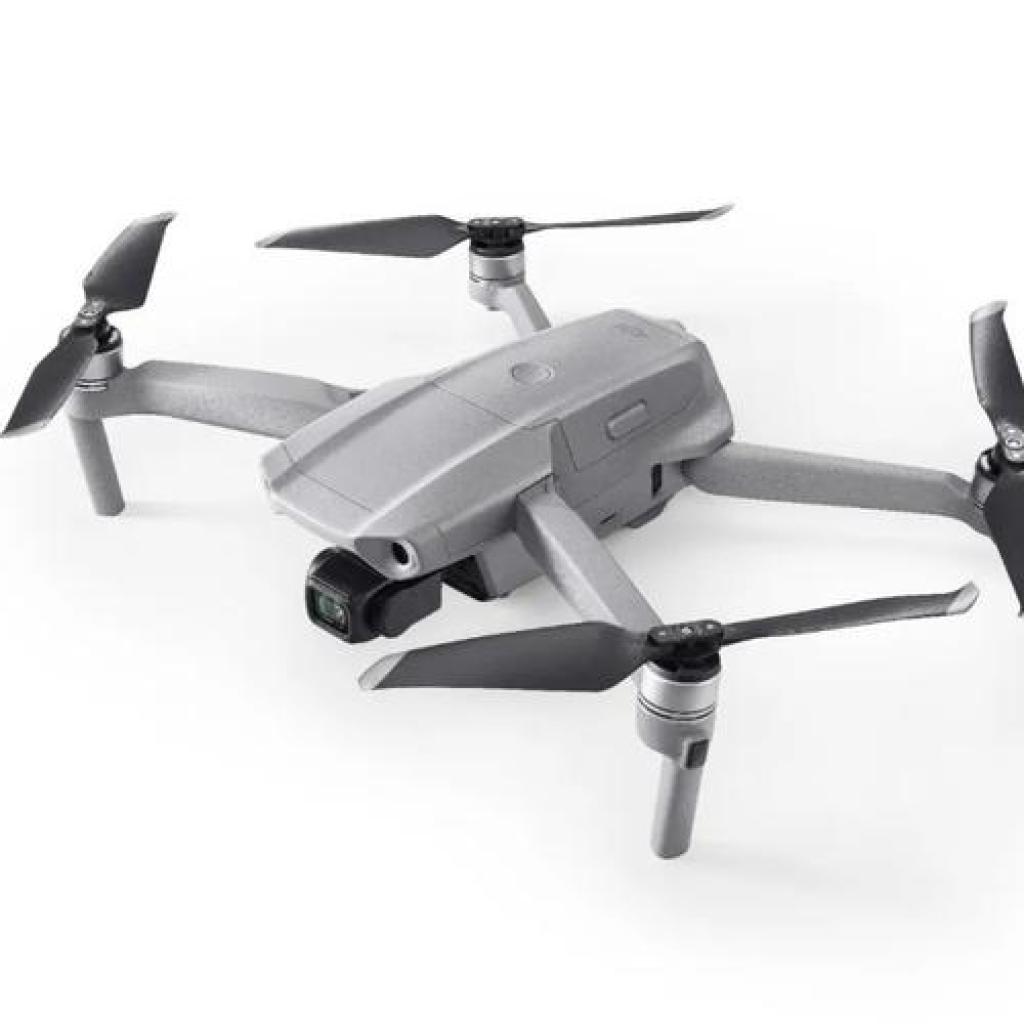
When it comes to optimizing your drone’s performance, choosing the correct drone propeller is critical. The propeller is the component that determines the efficiency and stability of your UAV (Unmanned Aerial Vehicle). Whether you’re a hobbyist or a professional drone pilot, understanding the intricacies of drone propellers can greatly enhance your flying experience.
Understanding Drone Propeller Basics
The primary function of a drone propeller is to convert rotational motion into thrust. This thrust enables the drone to lift off, hover, and maneuver in the air. The propeller’s design, size, and material will significantly impact the drone’s performance. Typically made of plastic or carbon fiber, each material offers different advantages. Plastic propellers are affordable and flexible, while carbon fiber options are more durable and lighter, allowing for longer flight times and improved efficiency.
Choosing the Right Size and Pitch
Propeller size is a crucial consideration. Generally, larger drone propellers generate more lift, enabling the quadcopter to carry heavier payloads. However, larger sizes may consume more power. Pitch, which is the angle of the propeller blades, influences the speed and performance. A higher pitch increases speed but may decrease stability and require more power. Balancing these factors according to your drone’s purpose is vital.
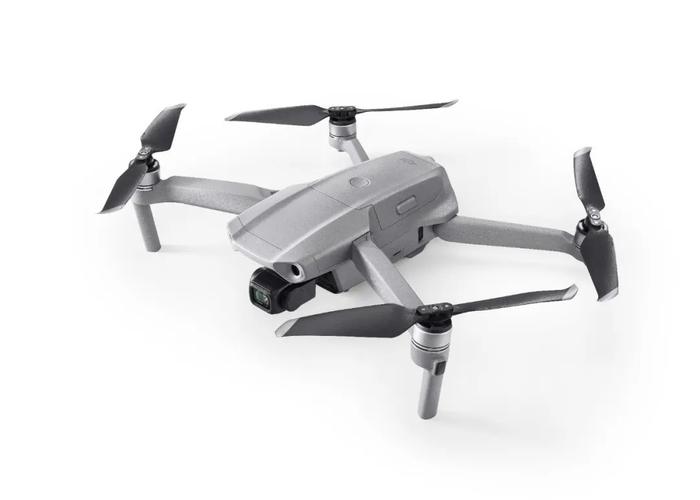
Advantages of Optimized Propeller Selection
- Improved Aerodynamics: The right propeller reduces air resistance, leading to smoother flights.
- Enhanced Battery Life: Efficient propeller choices can significantly extend flight times by optimizing power consumption.
- Better Stability: Properly balanced propellers minimize vibrations, contributing to smoother camera footage and safer navigation.
It’s also important to regularly check your propellers for wear and damage. Cracks or chips can lead to a loss of performance or even dangerous flight instability.
Additional Considerations
Environmental conditions also play a role in drone propeller performance. In windy conditions, a robust propeller setup is essential to maintain control. Similarly, high-altitude flights may require adjustments in propeller size and pitch due to thinner air, which affects lift capacity.
To ensure you’re choosing the best propeller for your needs, consider testing different models and brands. This trial and error process helps identify the setup that offers the best balance of efficiency, power, and stability for your specific drone model.
FAQs
What are the signs of a failing drone propeller?
Signs include visible damage like cracks, chips, or bends. If you notice unusual vibrations or decreased flight stability, examine your propellers first.
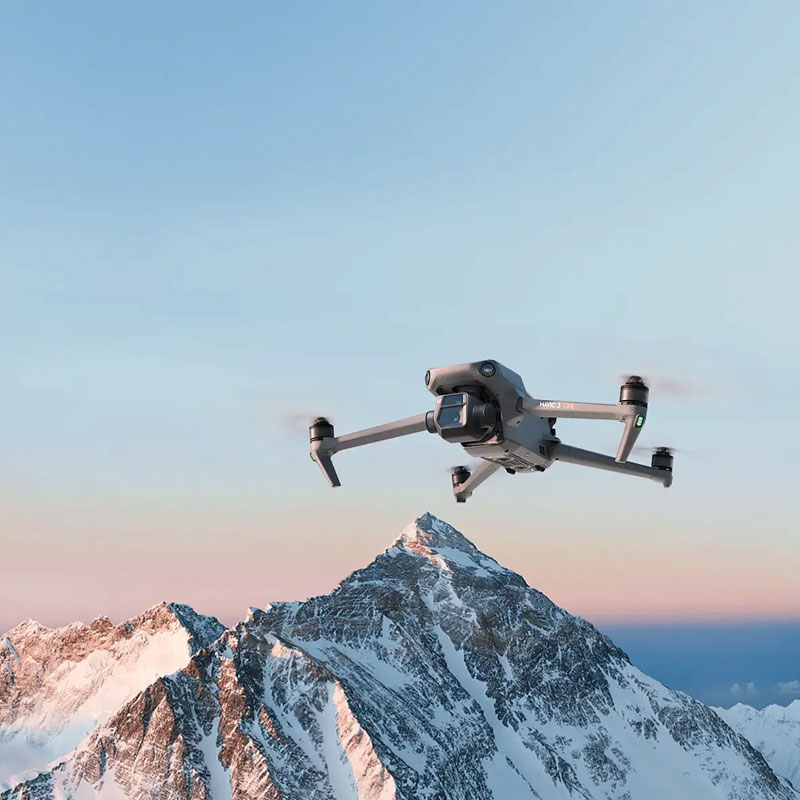
Can upgrading my propellers improve flight time?
Yes, upgrading to more efficient or lighter propellers can enhance flight duration, as they may require less energy to produce lift and thrust.
How often should I replace my drone propellers?
It depends on usage frequency and conditions. Regular inspections for damage will guide you on when replacements are necessary, typically after noticeable wear or every 200-300 flights for frequent users.