
Flying your drone can be an exhilarating experience, offering a unique perspective on the world below. However, with the increase in popularity of drones, understanding the latest drone regulations has become crucial for safe and legal flying. These regulations are in place to ensure the safety, security, and privacy of all. This comprehensive guide takes you through the latest rules and considerations to help you stay on the right side of the law while enjoying your drone activities.
Understanding Drone Classification
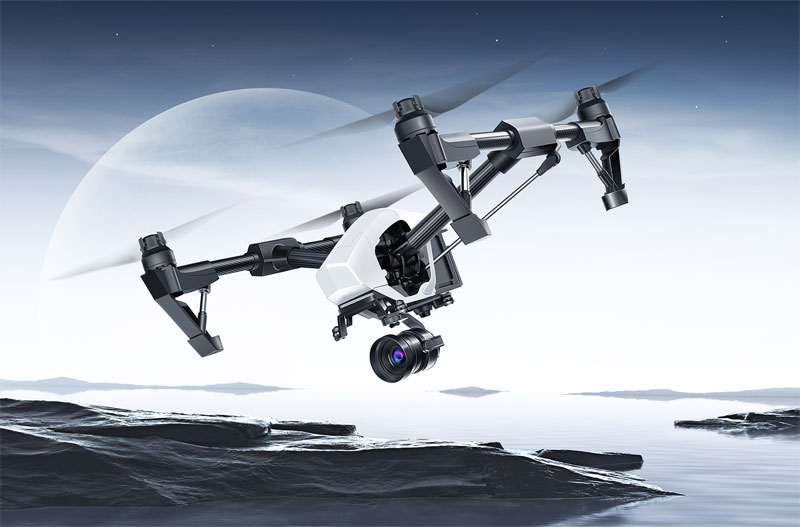
Before delving into specific laws, it’s essential to grasp the different categories of drones. Drones are typically classified based on their weight and intended use. Whether you own a small hobbyist drone or a large commercial one, different regulations apply. These classifications can significantly impact the restrictions and allowances made for your drone operations.
General Rules for Recreational Use
- Recreational drone users must fly below 400 feet.
- Keep your drone within visual line-of-sight at all times.
- Avoid flying near airports or other restricted areas.
- Respect the privacy of others and avoid flying over private property without permission.
These basic rules help in ensuring that the fun of flying doesn’t come at the cost of safety or privacy violations.
Commercial Drone Operations
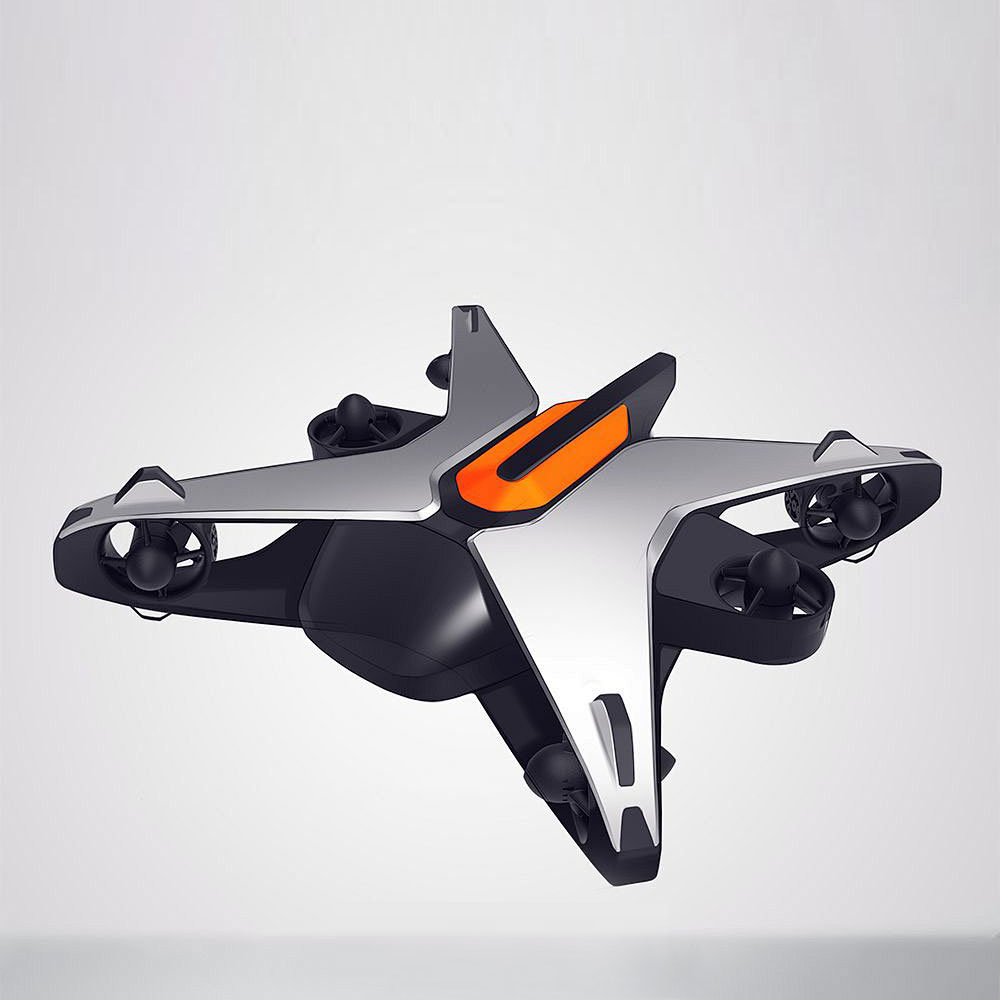
For those using drones for commercial purposes, the requirements are more rigorous. Operators must comply with specific certifications and permissions, often requiring a Remote Pilot Certificate.
Commercial drone pilots also need to have a deeper understanding of their drones’ technical capabilities, including aspects such as battery durations and weather conditions which might impact flight. For instance, commercial drones often have to adhere to strict location-based regulations to avoid compromised air spaces.
Operational Limitations
In addition to these certifications, commercial drone pilots must often navigate strict operational limitations. These can include restrictions such as:
- Flying during daylight hours only, unless a waiver is obtained.
- Specific distance limits from airports and controlled airspace areas.
- Deploying geofencing technology to prevent entering no-fly zones.
By adhering to these rules, commercial operators can avoid hefty fines and legal complications.
Staying Updated with Changing Laws
Drone regulations are ever-evolving as technology advances and new safety concerns arise. It’s imperative to keep abreast of updates from authoritative bodies, such as the FAA or local aviation authorities, that frequently adjust laws to reflect the current landscape. Engaging with drone communities and forums can also be an excellent way to stay informed and share knowledge on best practices with fellow enthusiasts.
Learn and Practice Safe Flying
Beyond understanding laws, safe flying practices are equally vital. This involves regular maintenance and checks before each flight. Ensure that your drone is in top condition, check the weather, and prepare for emergencies to prevent accidents.
FAQ
Q: What happens if I fly my drone in a no-fly zone?
A: Flying in restricted zones can result in penalties, including fines and confiscation of your drone. Always check sectional charts and apps to verify permissible areas.
Q: Can I use my drone for commercial purposes without a license?
A: No, commercial drone use typically requires a Remote Pilot Certificate. Operating without the necessary licenses can lead to legal actions.
Q: How do I know if there are updates to drone regulations?
A: You can regularly visit official sites like FAA.gov, follow relevant aviation news, and participate in drone enthusiast communities for updates.
Drones offer a boundary-pushing view of the world, but with their use comes responsibility. Staying informed about the latest drone regulations ensures that while you’re enjoying your flight, you’re also safeguarding others and integrating seamlessly into airspace protocols. Embrace these guidelines to create a safe and enjoyable flying experience.