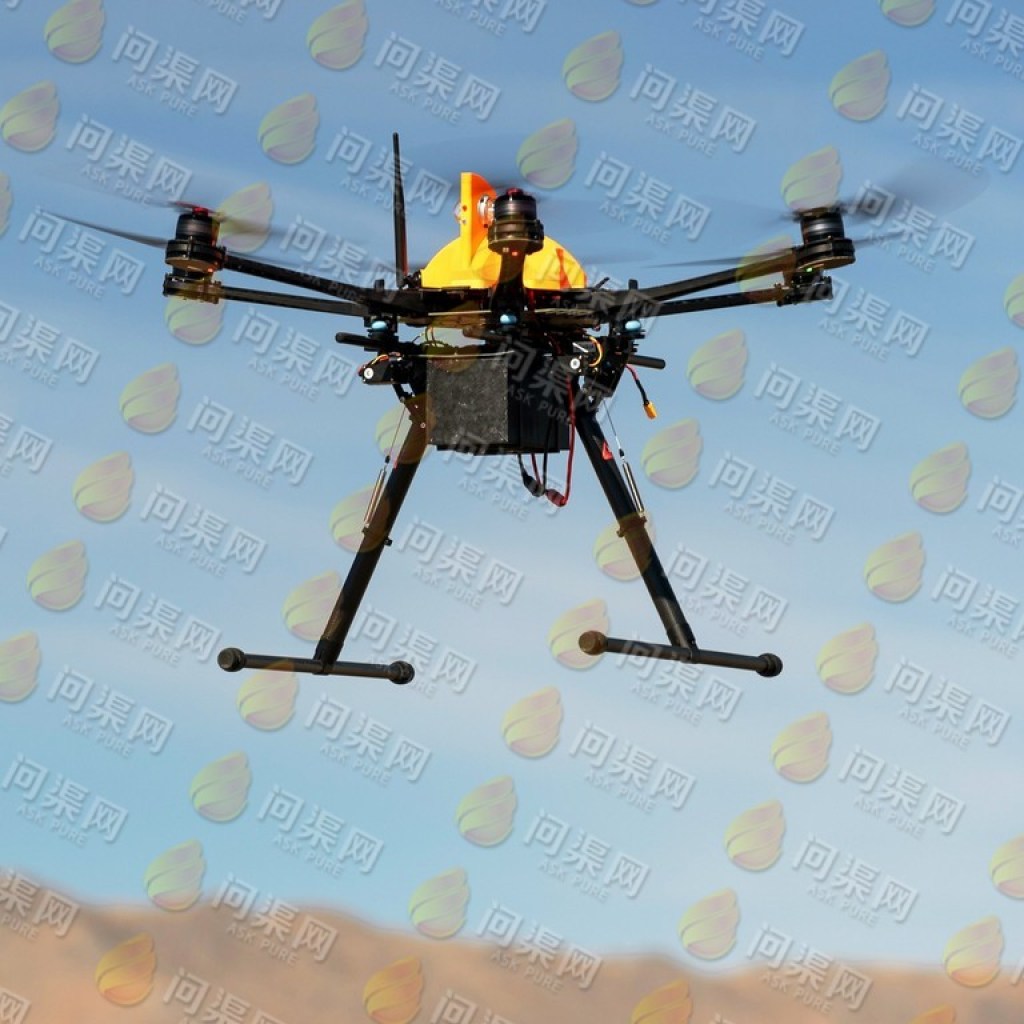
Why Window Washing Drones?
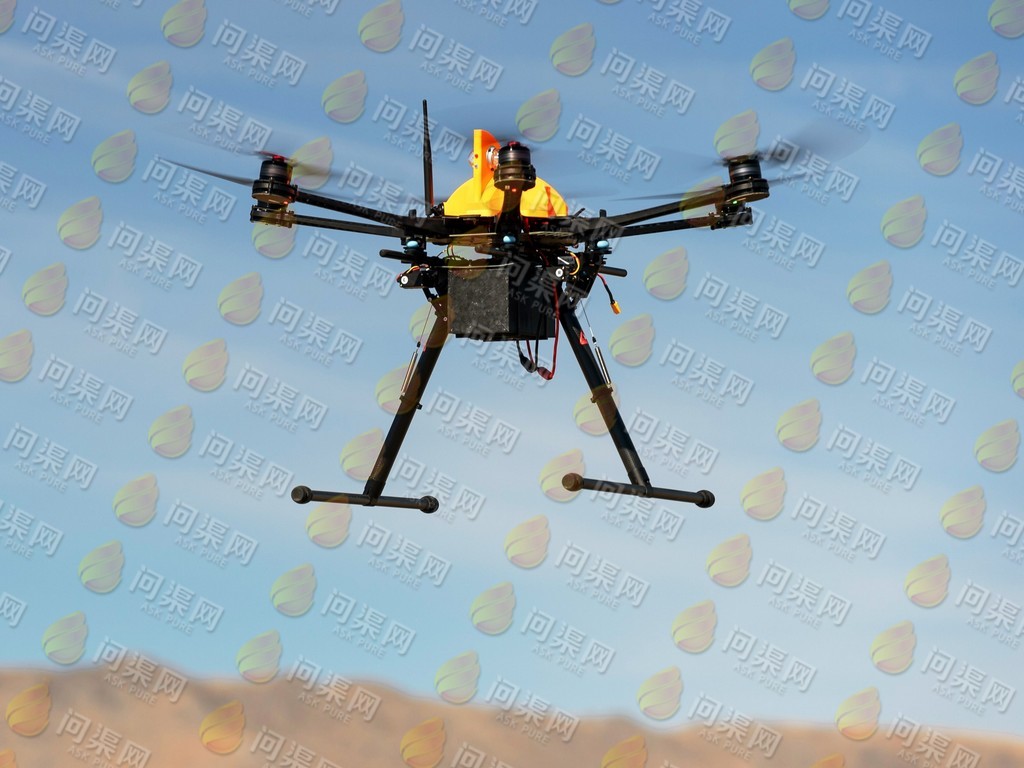
Window washing drones have gained popularity due to their ability to access hard-to-reach windows while reducing the time and cost associated with manual labor. Traditional window cleaning methods, relying heavily on human effort, often pose safety risks and inefficiencies. However, drones eliminate these concerns while enhancing operational effectiveness. By employing drones, companies can ensure consistently superior cleaning results with minimal human intervention. This shift not only keeps workers safe but also optimizes resource allocation.
How Do These Drones Work?
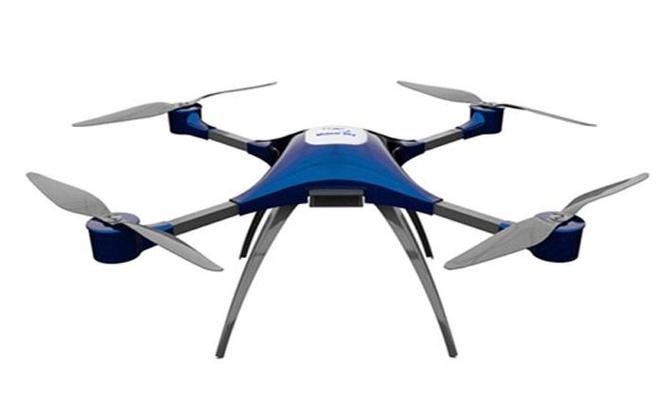
Equipped with advanced technology, window washing drones utilize precision navigation systems, enabling them to clean windows thoroughly without missing spots. Optical sensors and GPS coordination provide them with an agile maneuvering framework, allowing drones to adapt to diverse building structures and window layouts. The efficiency of these drones lies in their mechanized spray systems and rotating brushes, seamlessly removing dirt and grime while conserving water and cleaning agents.
Benefits Beyond Cleaning
Beyond their cleaning capabilities, drones also contribute to environmental and economic sustainability. By using limited quantities of water and cleaning solutions, they minimize ecological footprints, promoting a greener approach to facility management. Economically, the reduction in labor costs and cleaning time directly translates to savings for businesses, enabling them to allocate resources towards growth and innovation.
Challenges and Regulations
While the benefits are clear, the deployment of window washing drones is subject to regulatory scrutiny. Airspace safety and privacy concerns necessitate stringent adherence to regulations. Ensuring drones are operated safely and ethically requires compliance with aviation laws and local codes, which vary widely across regions. Companies investing in drone technology must remain informed about these laws to prevent legal complications.
Future of Window Cleaning
The future of window cleaning will likely see a further integration of Artificial Intelligence in drone technology. AI-enabled drones promise enhanced problem-solving and autonomous operation, reducing human oversight even further. As industries increasingly adopt robotic cleaning solutions, expectations will shift towards unmanned operations, possibly incorporating drone fleets for large-scale maintenance tasks.
FAQ
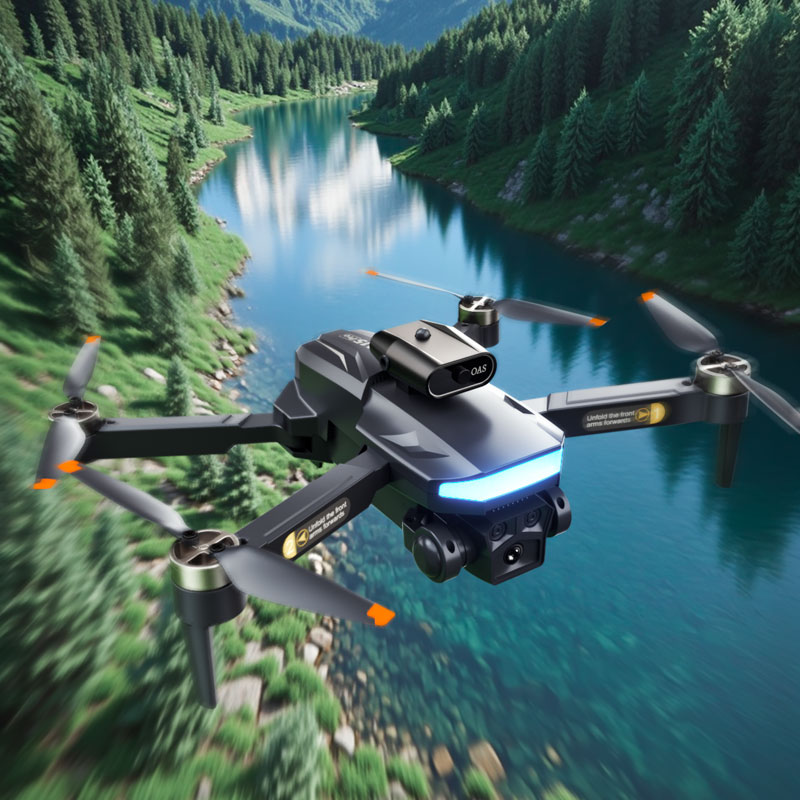
Q: Are window washing drones safe for use around populated areas?
A: Yes, when operated according to regulations, drones are safe. Operators must ensure compliance with local airspace and privacy laws to maximize safety and minimize risks.
Q: Can drones clean windows at night?
A: Equipped with LED lights and night vision capabilities, some drones can perform nighttime cleaning operations efficiently, providing flexibility in scheduling for businesses.
Q: How do drones navigate complex building layouts?
A: Drones utilize GPS and optical sensors that enable precise maneuvering around different structures, ensuring thorough cleaning even in complex layouts.
Embracing window washing drones signifies a step forward in technological adoption within the cleaning industry, setting new standards for efficiency, safety, and sustainability. These innovations not only redefine existing practices but also pave the way for smarter solutions in the future.