
Understanding Military Surveillance Drone Innovations: Insights from Brookings
The subject of military surveillance drones has become a critical pillar in modern defense strategies. As nations look to leverage technological advancements, Brookings Institution offers a comprehensive analysis highlighting the evolution and implications of these sophisticated aerial systems.
Significance of Surveillance Drones in Modern Warfare
Surveillance drones, or unmanned aerial vehicles (UAVs), have progressively transformed military operations. Their ability to conduct reconnaissance, gather intelligence, and enhance situational awareness provides armed forces with a significant tactical edge. Military surveillance drone advancements have streamlined war tactics—reducing risks to human life and improving real-time information access.
Brookings, known for its thorough research, delves deeply into how these drones impact geopolitical landscapes and defense policies. They analyze key trends such as autonomy in navigation, enhanced data collection capabilities, and integration with ground systems.
Technological Advances Highlighted by Brookings
Among the notable advancements in military surveillance drones is the integration of AI for autonomous operations, enabling drones to make real-time decisions without human intervention. Brookings identifies AI as a game changer, particularly in threat detection and response mechanisms.
Additionally, advancements in sensor technology have allowed drones to capture high-resolution imagery even in challenging terrains and weather conditions. The ability to process large amounts of data quickly is pivotal to command centers making fast, informed decisions.
Challenges and Considerations
Despite significant advancements, Brookings recognizes challenges such as cybersecurity threats and the ethical implications of surveillance. Drones’ vulnerability to hacking calls for continued advancements in security protocols. Additionally, the debate on privacy rights versus national security continues to evoke strong opinions.
The institution also discusses international regulations and how cooperation among nations can ensure responsible use and development of drone technology.
Future Prospects and Implications
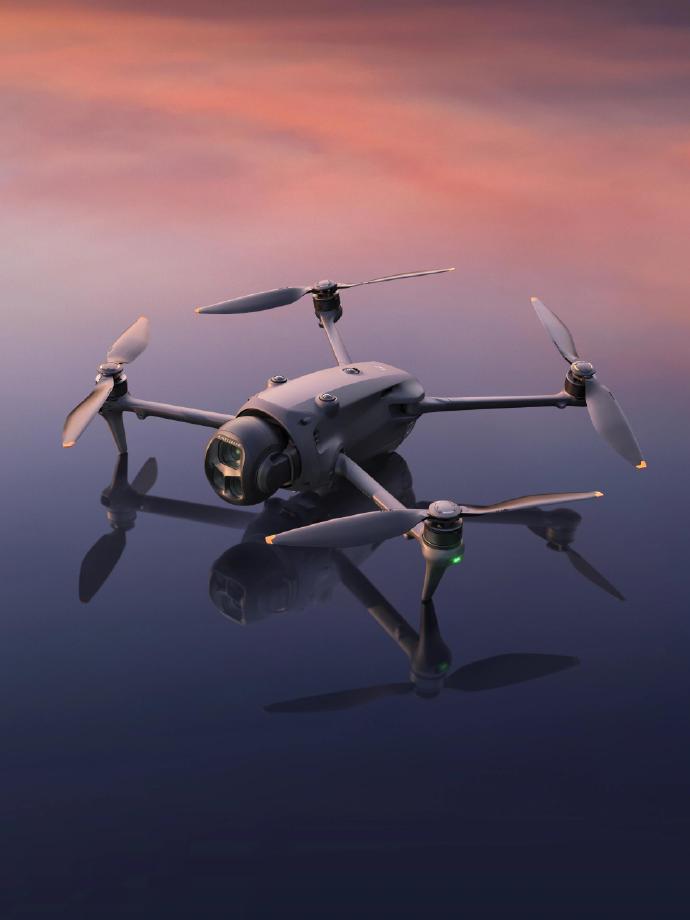
Brookings forecasts further integration of drones into military operations. With continued research and development, the scope of what drones can achieve will likely expand. Partnerships between government and private sectors could foster innovation, enabling drones to perform more complex missions.
Overall, military surveillance drone advancements are poised to redefine defense strategies globally. Continuous evaluation of policy and technology will be essential in navigating the complexities these drones introduce.
Frequently Asked Questions

- What are the benefits of using drones in military operations?
- Military drones enhance intelligence collection, provide real-time surveillance, reduce human risk, and offer precise engagement capabilities.
- How does Brookings contribute to the understanding of drone technology?
- Brookings provides analytical insights into the technological, ethical, and geopolitical aspects of drone deployment, informing policy and strategic decisions.
- What concerns surround military surveillance drones?
- Concerns include cybersecurity risks, privacy issues, and ensuring drones are used ethically within international laws and regulations.