
The rise of drones in America is transforming the technological landscape and reshaping numerous sectors, offering unprecedented possibilities.
The Evolution of Drones
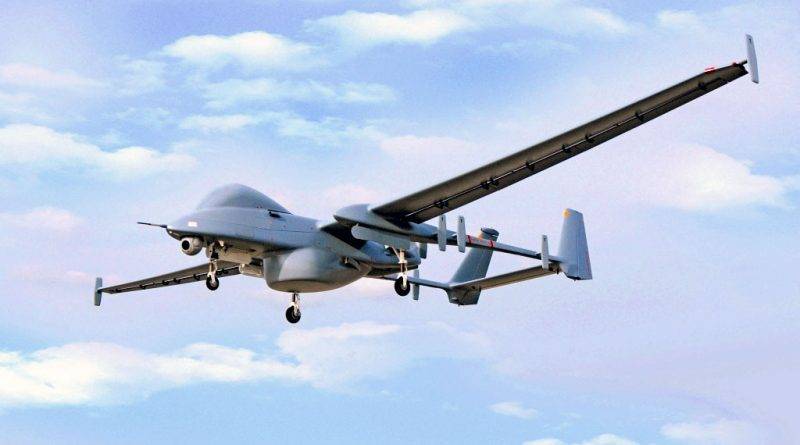
Initially developed for military purposes, drones have evolved to become versatile tools across various industries. As drones in America gain popularity, their capabilities have expanded beyond surveillance and reconnaissance to include roles in agriculture, delivery services, photography, and disaster management.
Applications Across Industries
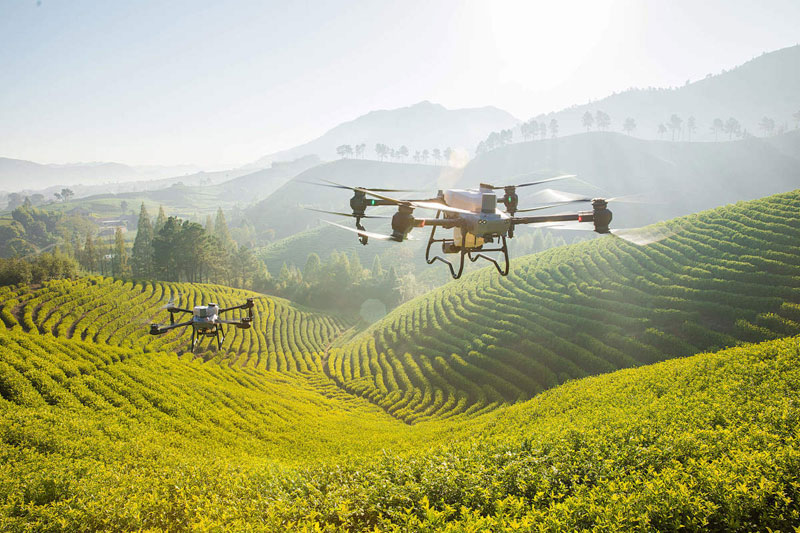
The agriculture sector is one of the biggest beneficiaries of drone technology. Farmers can now use drones to monitor crop health, apply pesticides, and manage livestock, increasing efficiency and yield. By capturing real-time data, drones empower farmers with insights that were previously unattainable.
In delivery services, companies like Amazon are experimenting with drone deliveries to revolutionize logistics and provide faster, more efficient services. Although regulatory hurdles remain, the potential for drones in America to optimize delivery systems is immense.
From Skies to Disaster Response
One of the most impactful uses of drones is in disaster response. Drones can quickly survey disaster-stricken areas, providing essential information to aid workers and first responders. This rapid deployment can save lives and aid in efficiently delivering resources to areas in need.
Disaster management also sees drones offering unique aerial perspectives, which are invaluable during search and rescue operations. By providing a bird’s-eye view, drones can help locate missing persons faster than ground-based methods.
The Challenges of Drones in America
Despite their numerous benefits, the use of drones in America presents certain challenges. Privacy concerns are prevalent, as drones can potentially capture individuals and properties without consent, leading to debates on privacy rights.
Moreover, regulatory frameworks are constantly evolving to address the safe integration of drones into national airspace. The Federal Aviation Administration (FAA) is at the forefront of these efforts, establishing guidelines to ensure that the proliferation of drones does not lead to safety hazards.
Regulatory Landscape
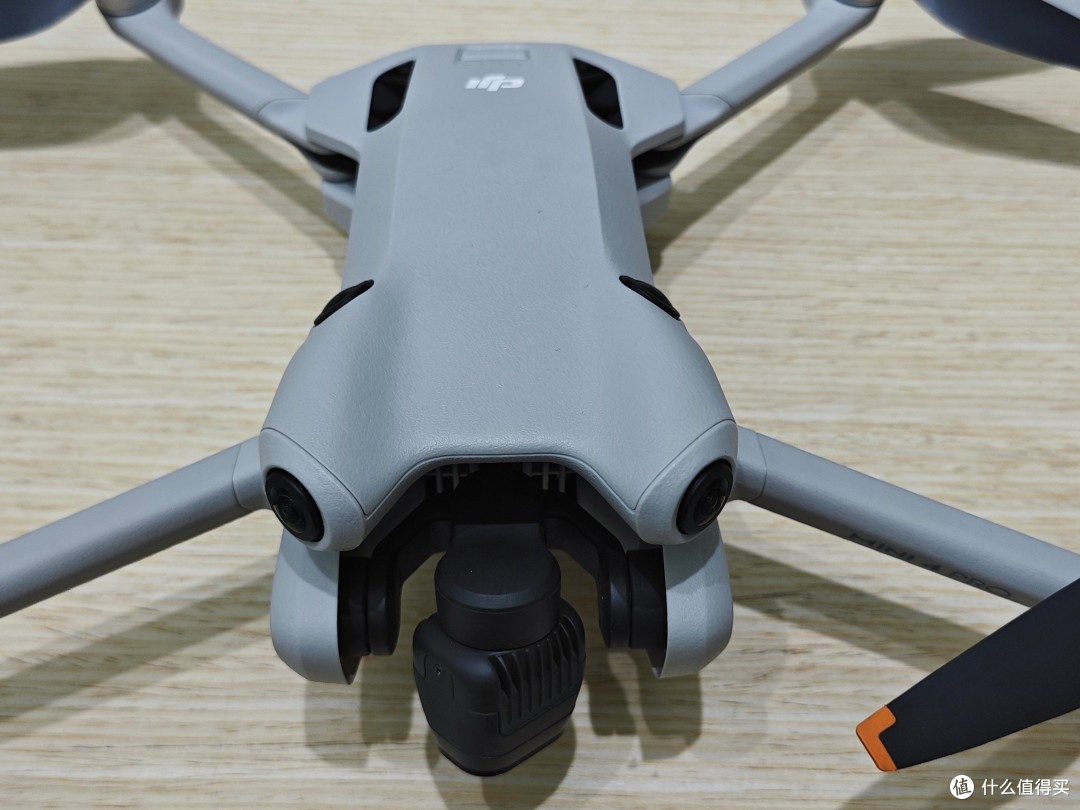
The United States has made significant strides in developing drone regulations. The FAA requires hobbyists and commercial operators to register their drones and adhere to specific operational guidelines. These include restrictions on altitude and flight near airports to prevent accidents.
However, the rapid innovation in drone technology continues to outpace regulatory updates. This gap presents opportunities and challenges as policymakers strive to keep up with technological advancements while balancing innovation with security considerations.
Future Prospects
The future of drones in America is promising. As technology advances, drones are expected to play a pivotal role in smart city ecosystems, offering solutions for traffic monitoring, infrastructure inspection, and urban planning.
The integration of AI and machine learning with drones will further enhance their capabilities, leading to smarter, more autonomous systems capable of making real-time decisions based on data analytics.
Frequently Asked Questions
- How do drones impact the economy?
Drones contribute significantly to the economy by optimizing operations in agriculture, improving logistics, and creating new job opportunities in drone technology and maintenance.
- What are the recent updates in drone regulations?
The FAA regularly updates guidelines, focusing on safe operation, airspace integration, and privacy-protection measures to ensure drones are utilized effectively without compromising public safety.
- What challenges do drones face moving forward?
Key challenges include evolving regulations, addressing privacy concerns, and ensuring technological advancements are secure and environmentally sustainable.
The landscape of drones in America is an evolving narrative, reflecting technological advancements and regulatory adaptations. As these unmanned aerial vehicles continue to permeate various aspects of society, they will undoubtedly leave an indelible mark on the nation’s future.