
Key Components of Drones
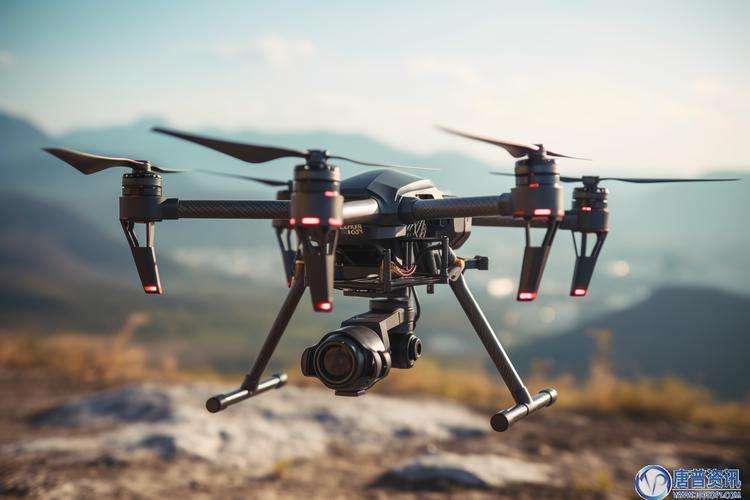
Drones consist of several crucial components that enable their performance and functionality. These parts include motors, controllers, sensors, cameras, batteries, and GPS systems.
- Motors: These are responsible for the drone’s propulsion, and in the case of quadcopters, each rotor is equipped with its motor.
- Controllers: Used by the operator to navigate the drone. They include handheld devices often equipped with joysticks and touchscreens.
- Sensors: Drones may be integrated with various sensors, such as accelerometers and gyroscopes, to facilitate smooth operation and stability.
Applications of Drones
The scope of drone application is vast. Drones are indispensable in several sectors, including:
- Military and Defense: Initially developed for combat missions, drones provide surveillance, reconnaissance, and targeted strikes without risking human life.
- Agriculture: Farmers use drones for crop monitoring, spraying, and assessing field conditions to enhance yield and efficiency.
- Entertainment: Filmmakers leverage drones for aerial shots and dynamic angles, offering a unique perspective in cinematography.
- Search and Rescue Operations: Drones equipped with thermal cameras and sensors assist rescuers in locating individuals during emergencies.
Future of Drone Technology
The future holds exciting prospects as technology evolves further. Innovations such as improved battery life, enhanced AI capabilities, and more robust GPS systems promise even greater functionality and efficiency. Regulatory revisions are expected as drones become more prevalent, ensuring safe and responsible usage worldwide.
Common misconceptions about drones include their perceived complexity and high cost. However, consumer models have become increasingly user-friendly and affordable, democratizing access to this technology.
FAQs

It’s crucial to stay informed on local laws and regulations regarding drone use to ensure compliance and safety.
In conclusion, drones have cemented their place in modern society through diverse applications and revolutionary advancements. As technology for drones continues to burgeon, their influence will undoubtedly proliferate across ever-more sectors, offering unparalleled possibilities and solutions.