
The Rise of Fishing Drones
Fishing drones have rapidly gained popularity among both amateur and professional anglers. These devices are not only a novelty; they offer practical benefits that elevate fishing to new heights. Equipped with cameras, GPS, and sonar systems, fishing drones provide real-time feedback to users, allowing them to locate schools of fish with unprecedented accuracy. This reduces the guesswork involved in fishing and increases the likelihood of a successful catch.
With enhanced battery life, fishing drones can cover larger areas than a human could from the shore, offering a broader perspective of the underwater environment. Drone technology integrates seamlessly into fishing gear, providing aerial views that unearth previously hidden hotspots.
Benefits of Using Fishing Drones
- Precision: Fishing drones offer remarkable precision in locating fish, thanks to their advanced sonar and GPS technologies. Anglers can identify ideal fishing locations easily, making their trips more efficient.
- Cost-effectiveness: Although they may require an initial investment, fishing drones save money in the long run by increasing catch rates and reducing wasted time on unsuccessful trips.
- Recording and Sharing: Many fishing drones come with high-definition cameras that record the fishing process, allowing enthusiasts to share their memorable experiences with friends and family.
How Fishing Drones Work
Understanding the operation of fishing drones is crucial for maximizing their potential on your fishing excursions. These drones are designed to be user-friendly; even beginners can effectively operate them without hassle. Typically, fishing drones are equipped with waterproof features, making them durable when exposed to harsh weather conditions and water splashes. They connect wirelessly to the angler’s smartphone or tablet, displaying live footage and data.
By using the onboard sonar technology, these drones can pinpoint fish locations and determine the depth of the water, providing critical insight to the fishermen. The GPS feature helps navigate and plot coordinates for the perfect fishing spot.

Popular Models of Fishing Drones
Several models have gained recognition in the fishing community for their outstanding performance and reliability. Among the popular choices are:
- SwellPro Splashdrone 4: Renowned for its waterproof design and robust built-in camera, this drone is favoured among serious anglers.
- PowerVision PowerEgg X Wizard: Known for its utility in both land and water, this egg-shaped drone comes with advanced AI features.
- DJI Phantom 4 Pro: Although not initially designed for fishing, many have adapted it due to its high-quality imaging and smooth operation.
Challenges and Considerations
While fishing drones offer numerous advantages, they also come with some challenges that users need to consider. The initial cost can be substantial, and mastering their use requires practice and patience. Legal regulations regarding drone use can vary widely based on location, and anglers must ensure they comply with local laws to avoid fines or penalties.
Advanced drones might require regular maintenance to ensure optimal performance, a factor that should be planned for before purchasing.
Future of Fishing Drones
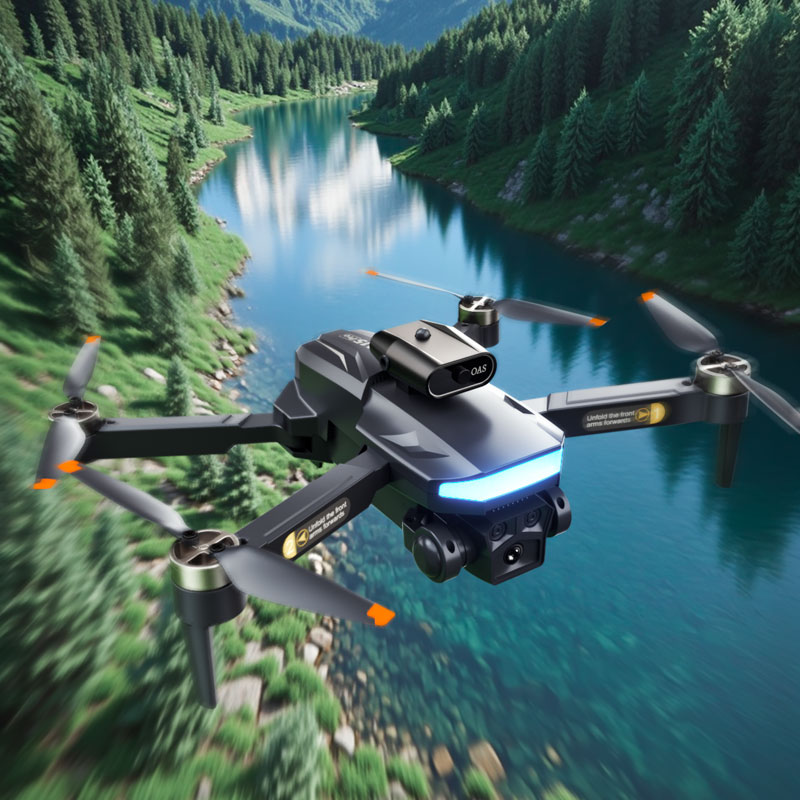
The future of fishing drones looks promising, with continuous advancements in technology being integrated into newer models. As artificial intelligence and machine learning become commonplace, future drones will likely offer even more sophisticated analytics and automated fishing capabilities.
These drones are not just technological marvels; they represent a shift in how people engage with fishing, making the sport more accessible and enjoyable for all.
FAQs
Q: Are fishing drones suitable for beginners?
A: Yes, most fishing drones are designed to be user-friendly. Beginners can quickly learn to operate them effectively.
Q: Can fishing drones be used in all weather conditions?
A: Many models are equipped with waterproof features suitable for various weather conditions, but always check your specific drone’s capabilities.
Q: Do fishing drones require internet connectivity?
A: No, they typically connect to smartphones or tablets via wireless connections and don’t need internet access for most functions.