
In an era where drones have become an integral part of various industries and recreational activities, knowing how to register them with the Federal Aviation Administration (FAA) is paramount. Ensuring your drone is compliant with FAA regulations is not just a legal requirement but also emphasizes safety and accountability.
Understanding FAA Drone Registration
Before diving into the registration process, it’s crucial to understand why the FAA mandates drone registration. Drones, although compact, pose potential risks to air traffic if not adequately managed. The FAA aims to mitigate such risks by monitoring drone operations nationwide.
So, what types of drones need registration?
Generally, any unmanned aircraft system (UAS) that weighs between 0.55 pounds (250 grams) to 55 pounds (25 kilograms) must be registered regardless of whether they are used commercially or recreationally. Commercial vs Recreational Use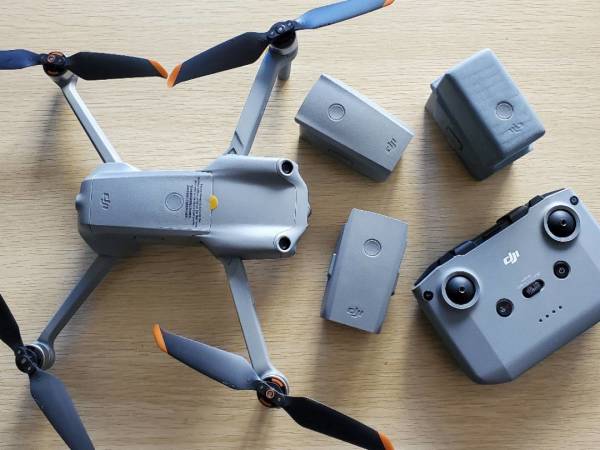 Understanding the purpose of your drone usage is critical as it influences the registration process. Commercial drones are used for business-related activities such as photography or surveying, while recreational drones
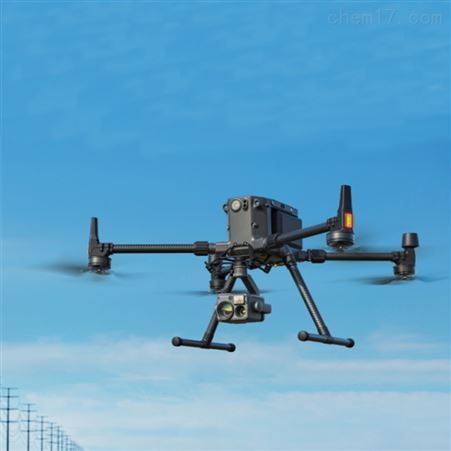 are primarily for personal enjoyment. Both categories have overlapping and distinct guidelines that you must follow.
Steps to Register Your Drone
Registering your drone with the FAA involves the following steps:
- Visit the official FAA drone registration website. Ensure it’s the authentic site to avoid scams.
- Determine whether your drone usage falls under “Part 107” (commercial use) or “Section 336” (recreational or hobbyist use).
- Provide essential information about your drone, including make, model, and weight.
- Pay the registration fee, which currently is nominal but essential for compliance.
- Once registration is complete, label your drone with the provided registration number where it is easily visible on the body.
Failure to register can lead to significant fines and legal repercussions.
The Importance of Compliance
Compliance with these regulations is not only crucial for legal reasons but elevates the safety standards of drone operations. A registered drone is traceable in the unfortunate event of an incident, significantly aiding accountability.
Additionally, registering offers advantages like faster recovery if your drone gets lost and a legitimate proof of ownership.
Monitoring and Updates
Once your drone is registered, keep abreast of any regulatory changes by frequently visiting the FAA’s website. They provide updates on new rules, restrictions, and advancements in drone technology that can affect your operations.
- The drone’s registration is valid for three years, after which it must be renewed.
- During registration, make sure your contact details are accurate.
Common Concerns
One common question is “Do homemade drones require registration?” Yes, any drone—homemade or commercially manufactured—that meets the weight criteria must be registered. Furthermore, individuals often wonder if they need a license or certification to operate drones post-registration. For recreational drones, a license isn’t typically required unless otherwise stipulated under local laws; however, for commercial use under Part 107, certification is necessary.
FAQs
- Do I need to register my drone immediately after purchase?
- No, registration is needed before the first flight outdoors.
- What if I move to another state?
- Ensure your registration data reflects your current address; location changes can be updated on the FAA site.
- Is drone insurance necessary?
- While not mandatory, insurance provides additional safety measures and coverage against liabilities.

By following these guidelines, you assure legal compliance and foster a proactive stance towards safe and responsible drone use. Remember, a registered drone is a responsible drone!