
As the demand for innovative technology continues to surge, drone operator jobs are carving a niche in various industries, offering exciting career opportunities to tech-savvy individuals. Drones, originally developed for military operations, have transitioned into civilian applications ranging from photography to logistics, agriculture, real estate, and more. The role of a drone operator can be exhilarating, packed with exploration and innovation.
Understanding the Role of a Drone Operator
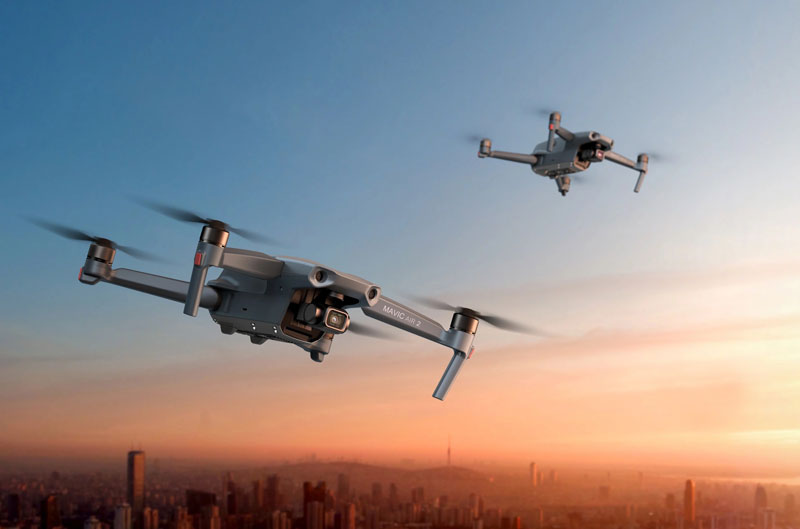
A drone operator is responsible for piloting unmanned aerial vehicles (UAVs) in a variety of settings. These individuals possess the skills needed to maneuver drones precisely, capturing data or images that serve multiple purposes. Their expertise can assist organizations in tasks like surveying land, monitoring wildlife, or filming breathtaking scenes for movies and television.
Drone operators must comply with regulations governing airspace, ensuring safety and adherence to legal requirements. FAA certification is often necessary for commercial drone operation within the United States. Other countries have their own regulatory bodies and licensure needs that operators need to fulfill.
Industries Benefitting from Drone Operations
The utility of drones spans numerous industries, each with unique demands for drone technology:
- Agriculture: Drones are revolutionizing farming by providing high-resolution images and data that help in monitoring crop health, managing irrigation, and optimizing yield.
- Construction: Drone imagery assists in project management and site analysis, offering critical insights into progress and safety on extensive construction sites.
- Emergency Services: In disaster management, drones deliver real-time visuals, aiding in rescue missions and assessment of damage on unreachable terrains.
- Media: From journalism to entertainment, drones offer fresh perspectives for capturing compelling stories, images, and videos.
Skills Required for Drone Operator Jobs
Successful drone operators are equipped with a blend of technical skills and practical knowledge. Proficiency in handling UAV controls and software is paramount. Operators should also possess problem-solving abilities, as they often encounter challenging environments requiring adaptive maneuvers.
Understanding weather patterns and their impacts on flight, attention to detail in data collection, and the keen ability to interpret gathered data are essential components for productive roles in drone operator jobs.
Drone operator positions call for a balance of creative thinking and precision, promising a dynamic work environment where no two days are the same.
Becoming a Drone Operator
The journey to becoming a proficient drone operator involves more than mastering flight mechanics. Aspiring professionals should commit to ongoing learning and certifications.
- Enroll in drone pilot training programs that cover the fundamental intricacies of UAV operation and safety protocols.
- Secure certifications that enhance credibility in the competitive landscape.
- Build a portfolio showcasing expertise through diverse projects that highlight capabilities in varied conditions.
Networking with seasoned operators and joining professional associations can further bolster career prospects.
FAQs
- What are the educational requirements to become a drone operator?
- While there are no specific educational prerequisites, having a background in technology or engineering can be beneficial. Many operators gain skills through specialized courses focused on UAV operations.
- Is drone operation a viable long-term career?
- Absolutely! With the growing reliance on technology and automation, drone operators are likely to see increased demand across various sectors.
- Do drone operators need insurance?
- It’s advisable for commercial operators to have liability insurance to cover potential damages caused while flying drones.
In conclusion, drone operator jobs offer a captivating career path for tech enthusiasts eager to explore sky-high opportunities. As more industries embrace this versatile technology, the role of drone operators will continue to evolve, promising career growth and exciting challenges.