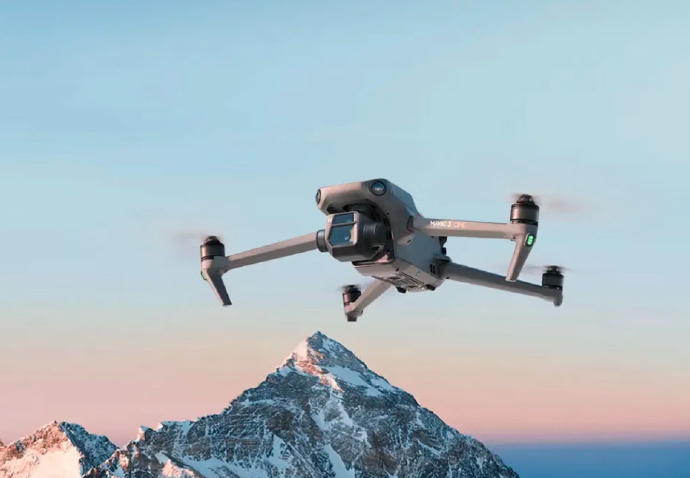
Exploring New Heights: The Integration of Infrared Camera Technology in Drones
In recent years, the advent of infrared camera drones has revolutionized various industries, from agriculture to emergency services. The capacity to capture detailed thermal imagery provides indispensable insights that traditional imaging techniques cannot offer. Let’s delve into how this cutting-edge technology is transforming our world.
The Science Behind Infrared Cameras
Infrared (IR) cameras detect heat emitted by objects, converting temperature variations into an image known as a thermogram. These cameras can discern subtle differences in heat, making them invaluable in several sectors. By mounting them on drones, we gain the ability to survey large areas quickly and effectively.
Applications of Infrared Camera Drones
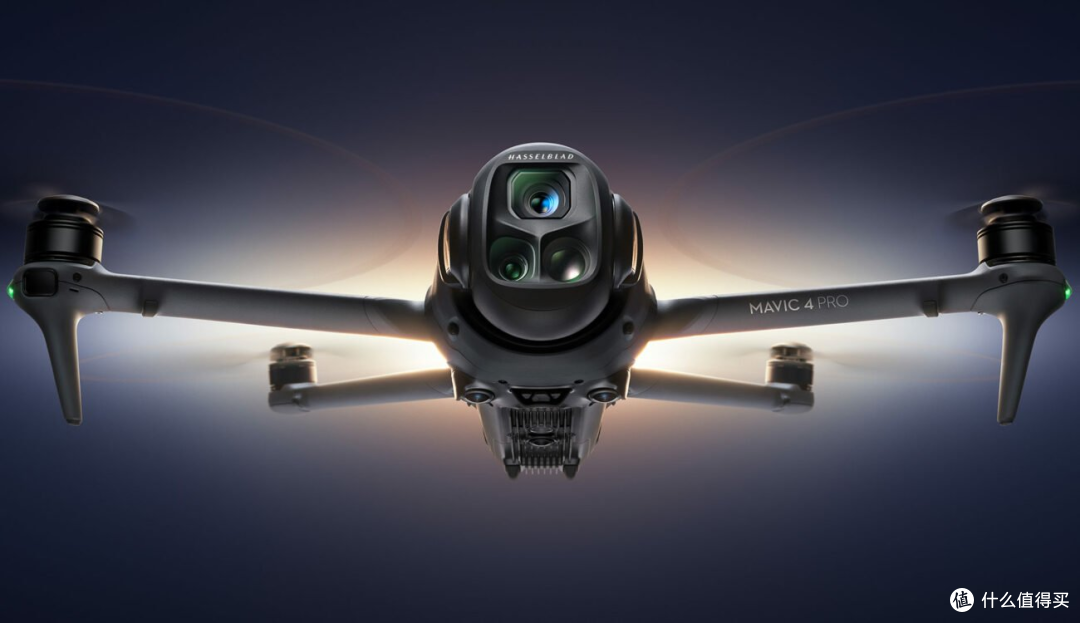
One of the most remarkable uses of infrared camera drones is in precision agriculture. Farmers utilize this technology to monitor crop health, detect pest infestations, and optimize irrigation systems. The heat maps generated allow for targeted interventions, enhancing both yield and sustainability.
Beyond agriculture, infrared drones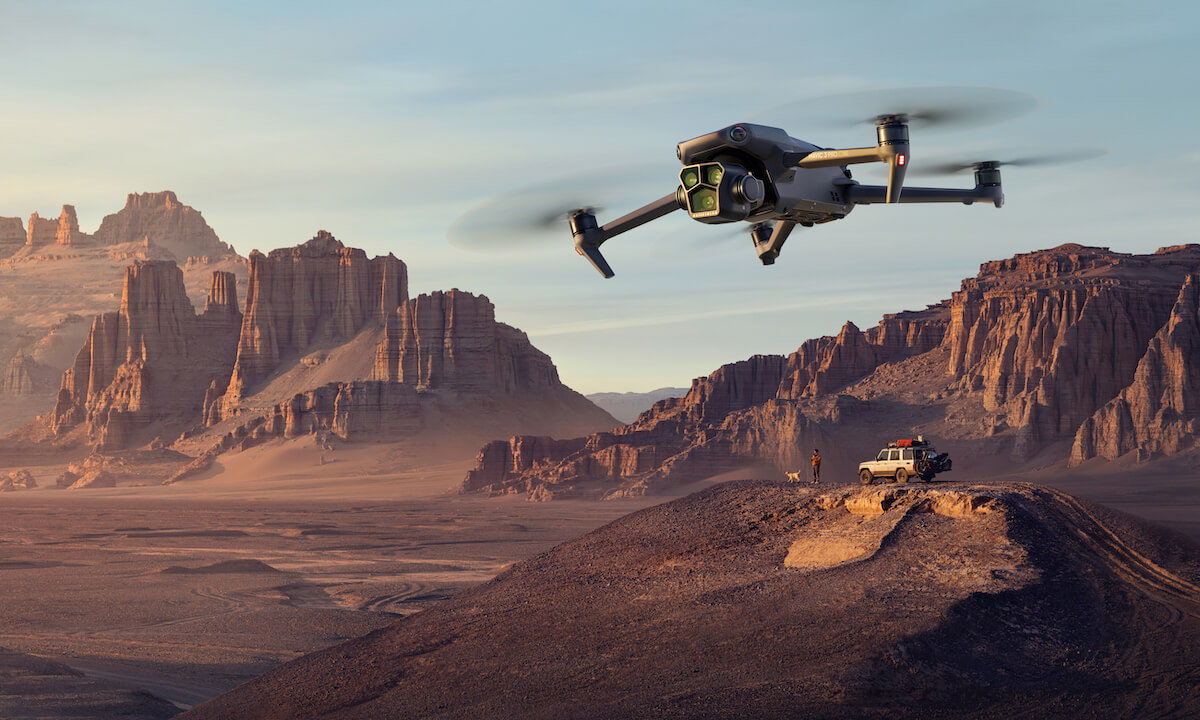 assist wildlife conservation efforts by tracking animal movements undetected. Additionally, they play a crucial role in search and rescue missions, enabling the detection of missing persons through their heat signatures, even in difficult terrains or adverse weather conditions.
Advantages of Using Infrared Cameras on Drones
- Comprehensive Surveillance: Infrared cameras provide uninterrupted surveillance, regardless of lighting conditions.
- Improved Safety: In industrial settings, drones equipped with IR cameras can inspect hazardous areas without risking human lives.
- Cost-Efficiency: By providing quick assessments, these drones reduce the need for extensive manpower and prolonged operations.
Challenges and Considerations
Despite the diverse benefits, there are challenges associated with IRCD. For instance, processing and analyzing thermal data requires specialized knowledge and software. Moreover, environmental factors such as rain or fog can sometimes obscure accurate thermal readings. Nonetheless, advancements in technology are steadily overcoming these barriers.
“The real potential of infrared camera drones lies in their ability to collect data in environments and scenarios previously unreachable.” – Industry Expert
Future Prospects
As technology evolves, the potential applications for infrared camera drones are likely to expand. Emerging trends include their integration into smart city projects for infrastructural assessments and their use in environmental monitoring to observe climate change effects in real-time.
FAQ Section
- Q: How do infrared cameras on drones capture images?
- A: Infrared cameras capture images by detecting and visualizing heat emitted by objects. The temperature differences are converted into a detailed thermogram.
- Q: Can infrared cameras see through walls?
- A: No, infrared cameras cannot see through walls. They only detect heat radiating from the surface of objects.
- Q: Are infrared camera drones affected by weather conditions?
- A: Yes, extreme weather conditions can impact the accuracy of thermal readings, though technological advancements aim to mitigate these effects.