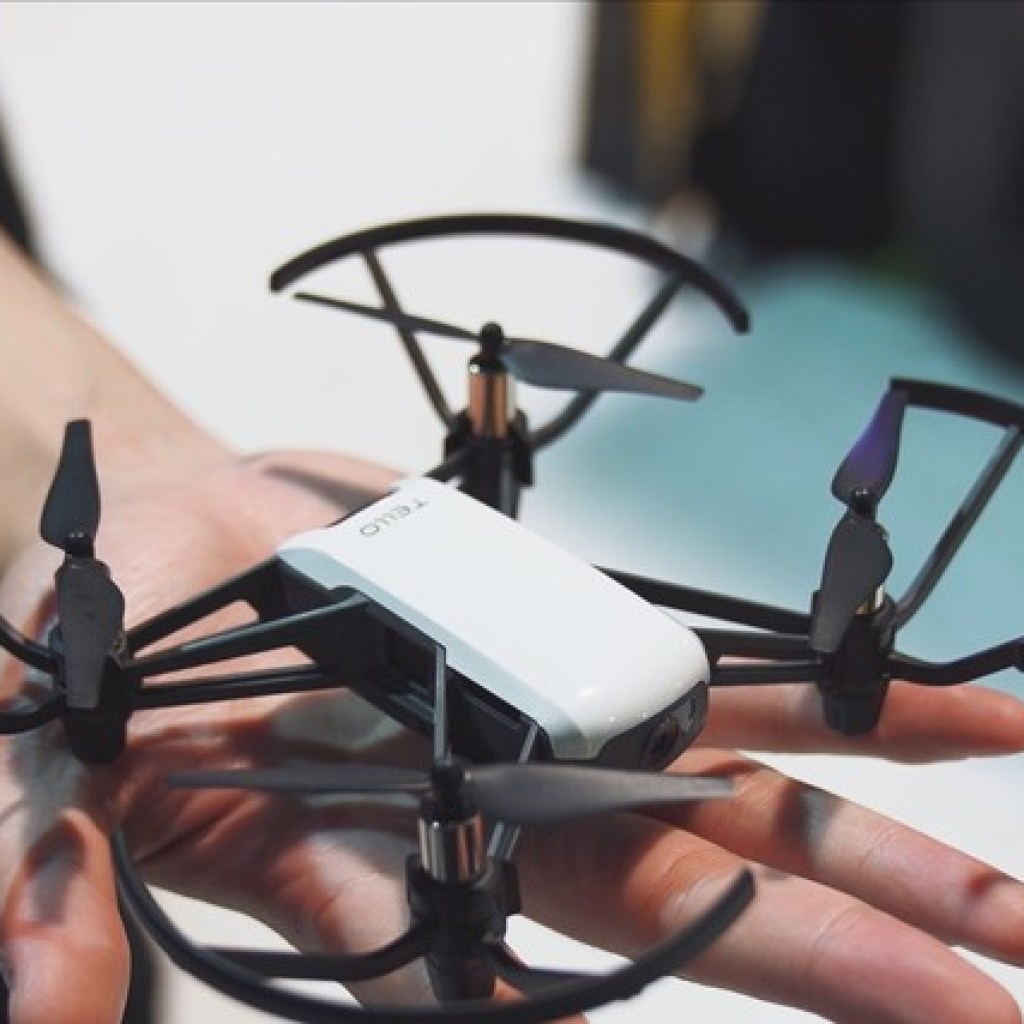
In recent years, technology has significantly advanced in various fields, and one of the most impressive developments has been in the realm of firefighting drones. These aerial machines have transformed the way emergency responses are handled, offering innovative solutions to some of the most pressing problems faced by firefighters. Firefighting drones are designed to quickly navigate through hazardous environments, providing real-time data and assistance in situations where human access might be limited or dangerous. With their ability to fly into high-risk areas, these drones are revolutionizing emergency response and saving lives.
The Impact of Firefighting Drones on Emergency Services
Firefighting drones are equipped with a variety of advanced technologies that make them indispensable tools in fire emergencies. They can be outfitted with thermal imaging cameras, which allow firefighters to locate hot spots through thick smoke. Additionally, drones can carry payloads such as fire retardants, enabling them to directly combat flames from above. This capability is particularly useful in areas that are difficult for ground-based firefighters to reach, such as tall buildings or remote terrains affected by forest fires.
Improved Situational Awareness
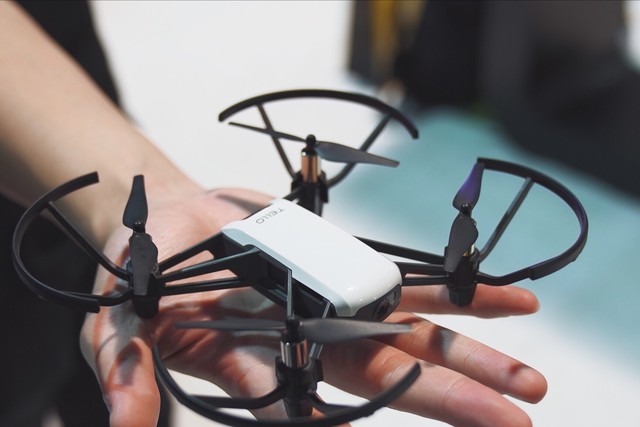
One of the key advantages of firefighting drones is their ability to enhance situational awareness. By providing aerial views, drones offer firefighters critical insight into the spread and intensity of fires, helping them to strategically plan their approach. This comprehensive perspective is crucial for coordinating large-scale operations and ensuring the safety of both firefighters and civilians. As a result, firefighting drones have become a vital component in emergency management plans.
Cost-Effectiveness and Efficiency
Another important aspect of firefighting drones is their cost-effectiveness and operational efficiency. Deploying drones is often less expensive than maintaining a fleet of traditional fire engines and personnel. Drones can quickly assess situations, transmit vital information, and perform tasks typically requiring human intervention, reducing both response times and the risk to human life. This efficiency not only aids in controlling fires more swiftly but also minimizes the economic resources required for extensive firefighting operations.
Challenges and Future Prospects
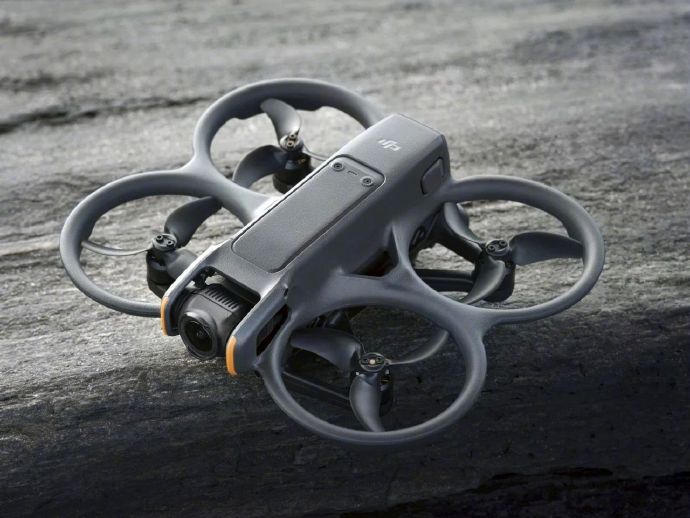
While firefighting drones offer substantial benefits, there are challenges to their widespread adoption. Regulatory issues, such as airspace restrictions and privacy concerns, may limit drone operations in certain areas. Additionally, there is a need for specialized training for fire departments to effectively utilize these technologies. However, the future looks promising; advancements in AI and automation continue to enhance drone capabilities, paving the way for smarter and more adaptive fire-response systems.
As technology evolves, there’s significant potential for firefighting drones to integrate with other emergency response technologies, creating a unified and highly effective system. Innovations such as real-time data analytics, machine learning algorithms, and improved battery life will further enhance their utility. In future scenarios, you may witness drones that autonomously work alongside traditional firefighting teams, offering unprecedented levels of support and efficiency.
- FAQ: How are firefighting drones different from regular drones?
Firefighting drones are specialized with equipment such as thermal cameras and fire retardant dispensers, enabling them to tackle fire emergencies effectively. - FAQ: What are some limitations of firefighting drones?
Despite their advantages, firefighting drones face challenges like regulatory hurdles and require skilled operators to maximize their effectiveness. - FAQ: Can drones replace traditional firefighting methods?
While drones offer significant benefits, they are currently used as a complement to traditional methods, enhancing overall emergency responses.