
In the rapidly advancing world of technology, reconnaissance drones are emerging as a pivotal component in reshaping security paradigms. These aerial vehicles, designed for intelligence gathering and surveillance, are proving instrumental in various sectors. From military operations to wildlife monitoring, their versatility and effectiveness are unparalleled. The future of these drones promises even greater developments that could revolutionize security protocols across the globe.
Reconnaissance drones, or UAVs (Unmanned Aerial Vehicles), offer several advantages over traditional methods of information gathering. One of the key benefits is accessibility. Drones can reach areas that are otherwise inaccessible or dangerous for humans. Whether it’s a top-secret military base or a remote wildlife reserve, these drones can traverse challenging terrains with ease.
The Technological Edge
Equipped with advanced cameras and sensors, reconnaissance drones provide high-resolution imagery and real-time data analytics. These capabilities enable precise monitoring and allow for quick decision-making processes. For military applications, it means accurate intelligence that can guide strategic operations. For commercial purposes, it could involve infrastructure inspections and agricultural assessments.
Moreover, the technological integration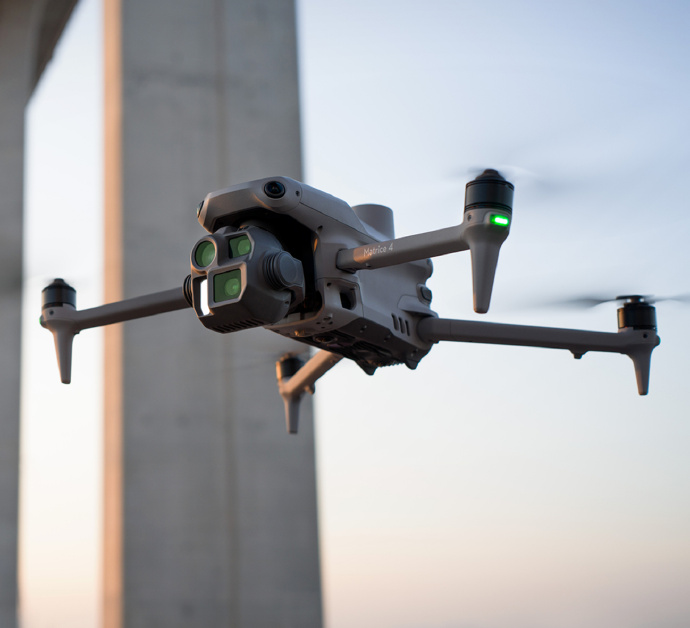 of AI and machine learning further augments the capabilities of reconnaissance drones. These technologies enhance their autonomous features, allowing drones to perform complex tasks such as pattern recognition and predictive analysis without human intervention. Consequently, this leads to more efficient and effective surveillance operations.
Expanding Applications
The applications of reconnaissance drones extend beyond traditional military use. In disaster management, they offer a bird’s-eye view of affected areas, aiding in the swift deployment of emergency services. In environmental conservation, drones monitor changes in ecosystems, track endangered species, and assess the impact of climate change. The commercial sector also sees valuable use, as these drones inspect power lines, oil pipelines, and large-scale agricultural fields.
Interestingly, the burgeoning field of drone technology is also exploring drone swarms. This involves deploying multiple drones simultaneously to achieve a collective task. Such a technique is gaining traction for its efficiency and effectiveness in tasks ranging from agricultural spraying to coordinated defense strategies.
Future Prospects
The future of reconnaissance drones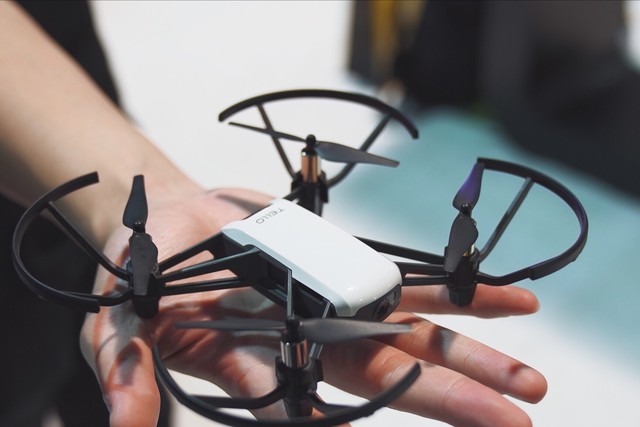 is poised for exponential growth. Innovations in battery technology and materials science promise longer flight times and larger payload capacities. The integration of more sophisticated AI will lead to drones that can think and react in unprecedented ways, further transforming their operational potential.
An exciting possibility is the development of nano-drones, which are compact yet powerful, capable of entering confined spaces and performing detailed surveillance. Their small size would allow them to remain undetected while collecting vital information in real time.
The ubiquitous presence of drones raises some concerns, particularly around privacy and airspace management. Policymakers and technologists need to establish robust frameworks that ensure safe and responsible use while maximizing the potential benefits drones offer.
FAQs
- What makes reconnaissance drones different from other drones? Reconnaissance drones are specifically designed for surveillance and intelligence gathering, equipped with high-tech cameras and sensors for data collection.
- How do drones ensure data security? Advanced encryption methods and secure communication protocols are used to protect the data gathered by drones from unauthorized access.
- What are the potential risks associated with the use of drones? While drones offer significant benefits, they can pose risks concerning privacy violations and unauthorized data collection, highlighting the need for comprehensive regulations.