
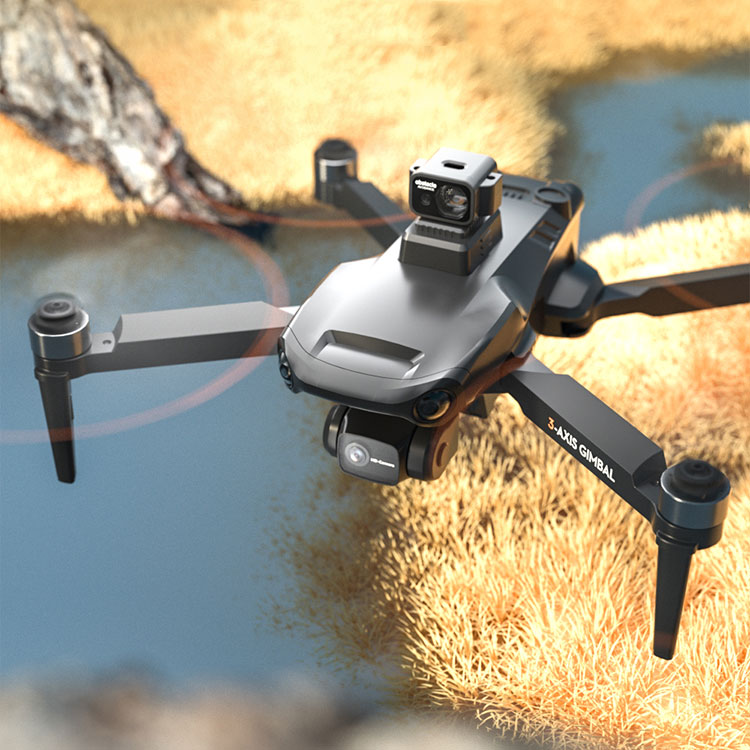
 technology has revolutionized various sectors, providing opportunities to explore new heights and achieve unprecedented precision in fields ranging from photography to agriculture. As drones continue to advance, their applications are diversifying, making them a crucial tool in modern innovation. Historically, aerial technology was limited to military and large-scale commercial use, but the introduction of drones has democratized access, allowing hobbyists and small businesses to harness the skies.
The Evolution of Aerial Drones
Drones have come a long way from their initial applications. Early models were cumbersome and lacked versatility, yet today’s drones are compact, efficient, and increasingly affordable. Innovations in battery life, navigation systems, and sensor capabilities have significantly enhanced their functionality. Companies at the forefront of this revolution are consistently pushing the boundaries of what’s possible, integrating AI and machine learning to enable drones to perform complex tasks autonomously.
Harnessing Drones for Photography
Aerial drone photography has opened up a world of creative possibilities. Their ability to capture images from angles previously unattainable allows photographers to explore dynamic perspectives. From breathtaking nature shots to intricate urban landscapes, drones have expanded the scope of visual storytelling. Advanced camera stabilization and high-resolution imaging ensure that photographers can achieve professional quality within their creative vision.
Photographers find drones indispensable for capturing expansive panoramas.
- Precise altitude control
- Enhanced lens capabilities
- Automated flight paths
Drones in Agriculture
The agricultural sector has also benefited greatly from aerial drone technology. Drones equipped with multispectral sensors can monitor crop health, aid in precision farming, and optimize resource management. By providing detailed insights into soil conditions and plant growth, farmers can make informed decisions that boost productivity and reduce waste. Such tools are invaluable for modern farming practices, ensuring sustainable and efficient cultivation methods.
The use of drones in agriculture exemplifies technology’s potential to transform traditional industries.
Safety and Regulations
With the growing popularity of drones, ensuring safety and adhering to regulations are paramount. Organizations like the Federal Aviation Administration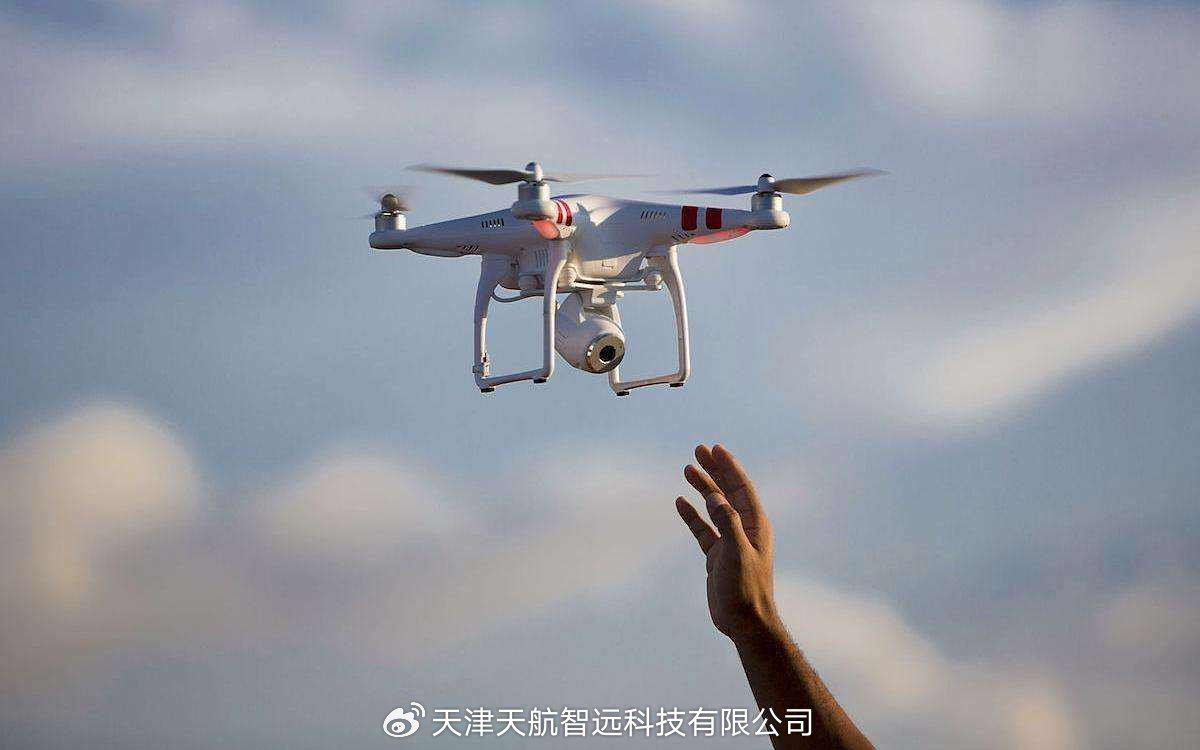 (FAA) have established guidelines to ensure safe drone operations. Compliance with these regulations not only protects the public but also enhances the credibility of drone operators.
While the potential of drones is vast, responsible use is crucial in maintaining their future applications. Common safety practices include maintaining line-of-sight flying and avoidance of populated areas.
Looking Ahead
As technology continues to evolve, the future of aerial drones is promising. Innovations such as increased flight autonomy and improved environmental sensors are likely to shape the next wave of drone capabilities. The impact of drones is expected to expand into new industries, bringing efficiency and transforming traditional practices.
FAQ
Q: What industries benefit the most from drones?
A: Drones are versatile tools, benefiting industries like agriculture, photography, surveying, and logistics.
Q: Are there restrictions on drone usage?
A: Yes, there are regulations governing drone usage to ensure safety and privacy. It’s crucial to familiarize yourself with local laws.