
Jasper National Park, renowned for its breathtaking landscapes and diverse wildlife, has recently garnered attention due to a significant policy change affecting visitors: the drone ban. This move has been pivotal, generating both support and concern within the park’s community.
Understanding the Drone Ban
The ban on drones within Jasper National Park isn’t just a random decision. It stems from the need to protect the park’s natural environment and ensure the safety of its inhabitants—both wildlife and human visitors. Drones can disrupt wildlife, particularly birds and other sensitive species, causing stress and potentially altering their natural behaviors.
- Introduction of fragile ecosystems
- Endangered species preservation
- General visitor safety and peace
Reasons Behind the Ban
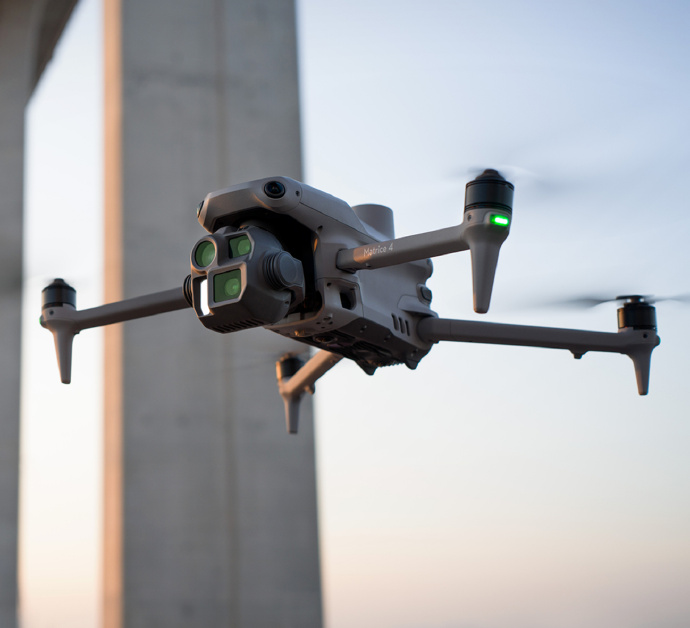
One of the primary reasons the drone ban was implemented is to mitigate disturbances to wildlife. Birds, for instance, perceive drones as predators, leading to behavioral changes that could affect their reproductive success. Additionally, the noise generated by drones can undermine the tranquility that visitors and wildlife alike enjoy in Jasper National Park.

Another crucial factor is the potential risk drones pose to emergency operations. In a park setting, emergencies such as fires or rescue operations require unhindered access for helicopters and other aerial vehicles. Drones can interfere with these operations, potentially endangering lives.
Impact on Visitors
For visitors, the drone ban means reimagining how they capture memories. While some might miss the aerial perspectives, this shift encourages exploration through traditional photography and videography, fostering a deeper engagement with the environment. The ban doesn’t close doors; it opens new avenues for appreciating the park’s beauty without disturbance.
Alternatives to Drone Usage
Visitors are encouraged to explore other methods for capturing Jasper’s stunning vistas. Investing in high-quality cameras and lenses can allow for detailed shots without the need for aerial equipment. Moreover, joining guided tours offers opportunities for expert-led photography sessions, often revealing hidden gems within the park’s vast expanse.
Drone Ban: Wider Implications
The drone ban isn’t just limited to individual visitors. It has affected commercial operators who previously relied on drone technology for filmmaking, mapping, or monitoring services. These enterprises must now seek alternatives that comply with the regulations, perhaps turning to satellite imaging or ground-based methods as viable options.
What This Means for Future Park Policies
The success of Jasper’s drone ban could set precedents for other national parks. As tourism grows, the need for policies that balance visitor interests and ecological protection becomes crucial. The management techniques that Jasper employs might inspire similar regulations elsewhere, aiming to protect nature without sacrificing the visitor experience.
FAQs
Can I fly a drone during certain times in Jasper National Park?
No, the drone ban applies year-round without exceptions, safeguarding the park’s ecosystem at all times.
How can I capture aerial views of Jasper without a drone?
Several lookout points within the park offer panoramic views. You can also book helicopter tours that comply with park guidelines.
Are any exceptions made for professional filmmaking in Jasper?
Professional permits may be considered on a case-by-case basis, but alternative methods are encouraged to minimize environmental impact.
In essence, Jasper’s drone ban represents an evolving understanding of conservation needs, balancing technological advancement with nature preservation. Visitors and operators alike are encouraged to adapt, ensuring that Jasper remains a haven for generations to come.