
The Ultimate Guide to Selecting Drones with Camera and Screen
If you are seeking an immersive aerial photography experience, drones with camera and screen should be at the top of your wish list. These advanced gadgets combine high-resolution imaging with on-the-spot visual feedback, making them indispensable tools for hobbyists and professionals alike. In this comprehensive article, we will explore the essential features, technological advancements, and practical tips for choosing the best aerial systems equipped with both cameras and built-in displays. Whether you are interested in real-time video streaming, drone racing, or capturing breathtaking landscapes, finding the right drone can transform your sky-high adventures.
Why Choose Drones with Built-in Cameras and Screens?
Unlike traditional models, drones with camera and screen allow operators to view footage live directly on the remote controller or an integrated screen. This eliminates the guesswork from composing shots, making every flight more productive. The real-time visual feedback also enhances monitoring, navigation, and frame accuracy, especially in challenging environments. If you frequently photograph fast-moving objects or maneuver through tight spaces, this feature offers unrivaled control and immediate results.
- Precision framing and instant feedback
- Minimal setup with fewer external devices required
- Easier sharing and editing of photos or video on-site
- Enhanced flight safety with clearer FPV (First Person View)
Important Features to Consider When Buying
- Camera Resolution and Quality: The camera is the heart of your drone’s imaging power. Look for drones with 4K UHD or at least 1080p capability, as these provide crisp images and video free from blur and distortion. Some drones even offer adjustable aperture or HDR modes for improved dynamic range in tricky lighting.
- Integrated Screen Size & Display Quality: The built-in screen should offer bright, vivid visuals, ideally with HD or higher resolutions. Touchscreen interfaces can speed up setting adjustments or playback review, and anti-glare coatings are invaluable for outdoor pilots.
- Gimbal Stabilization: Even a superior camera needs robust stabilization. Three-axis gimbals are standard in top-tier drones with camera and screen, enabling steady shots even in windy conditions or at sharp angles.
- Live Transmission Range: Check the range over which the drone transmits live FPV footage. The best drones provide several kilometers of clear, low-latency video feed. Advanced digital transmission protocols like OcuSync or Lightbridge drastically reduce signal loss.
- Battery Life:
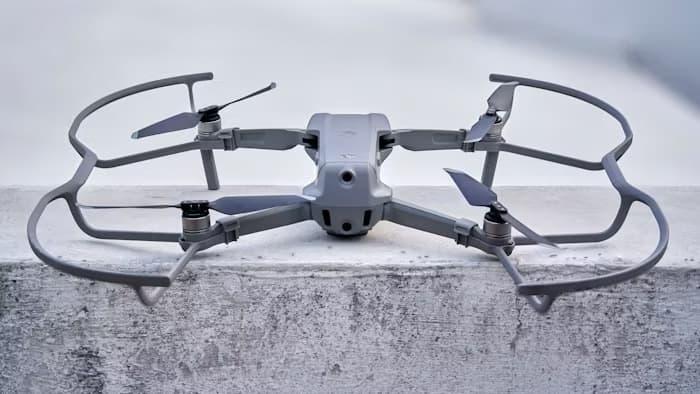 Long flight times (typically 20+ minutes per charge) are especially important for capturing lengthy events or exploring broader areas in a single session.
 - Portability and Durability: Foldable arms, lightweight materials, and compact remote controllers make it easier to travel with your drone and operate safely in diverse environments.
- Obstacle Avoidance & Safety Features: Choose drones with advanced obstacle detection using visual, infrared, or ultrasonic sensors—these features reduce collision risk and help beginners fly with assurance.
- Photo and Video Modes: Enhanced modes like panorama, slow-motion, hyperlapse, and intelligent subject tracking unleash creative potential directly from the screen interface.
How Drones with Screens Improve the User Experience
The evolution of drones with camera and screen has reshaped aerial photography. Screens mean no more fumbling to connect mobile devices or worrying about screen compatibility; you get an all-in-one system ready to fly. For surveyors, real estate agents, and content creators, this streamlines workflow and minimizes the risk of missed opportunities. Imagine capturing a perfect sunset or tracking wildlife in real-time, with every adjustment visible as you fly.
Notable Models & Their Standout Technologies
The market features numerous drones with integrated screens, including options from industry leaders like DJI and Autel Robotics. For example, the DJI Smart Controller features a built-in ultra-bright display and pairs seamlessly with high-end drones for instant 1080p transmission. Meanwhile, competitors offer unique implementations, such as rugged waterproof remotes or higher display refresh rates, ensuring you always find a product tailored to your unique needs.
Tips for Getting the Most Out of Your Drone
- Regularly calibrate your camera settings through the integrated screen for best results in changing conditions.
- Use the display to monitor battery and signal status, ensuring safer flights and timely landings.
- Experiment with advanced flight modes—many can be accessed and configured instantly via the screen interface.
- Keep your screen clean and protected, as outdoor use can expose it to glare, dirt, and moisture.
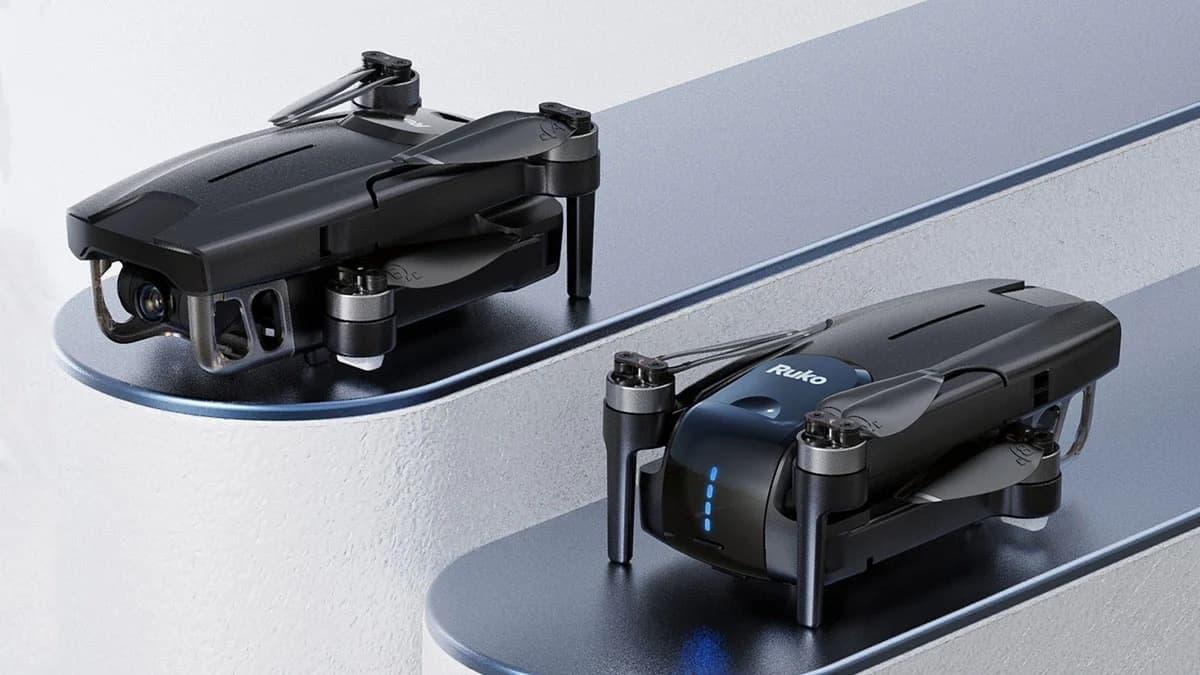
Future Trends in Camera-Equipped Drones with Screens
Busting Myths: Are Drones with Camera and Screen Only for Professionals?
No! While many premium drones cater to experienced flyers, there are increasingly affordable models with intuitive screens and decent cameras on the market. These are perfect for hobbyists wanting the convenience of FPV flights without extra gear. As technology progresses, even entry-level options now include features once reserved for professionals, such as HD displays or pre-programmed flight paths.
How to Maintain Your Drone’s Integrated Screen and Camera
- Store your drone and controller in a padded case to avoid scratches or cracks.
- If flying in bright sunlight, use a screen hood or adjust brightness settings for better clarity.
- Periodically update drone firmware—this often improves screen responsiveness, camera performance, and overall stability.
Conclusion: Empowering Your Creativity with the Right Drone
From advanced camera technology to real-time monitoring via brilliant built-in screens, the right drone can elevate your creativity and workflow. By focusing on key features like camera resolution, display quality, transmission strength, and intuitive control, you can choose a model that perfectly matches your ambitions. Remember, drones with camera and screen are more than just gadgets—they are portals to endless possibilities in aerial photography, mapping, and multimedia content creation.
FAQs about Drones with Camera and Screen
- Q1: Is a built-in screen better than using a smartphone?
- In many cases, yes. A dedicated screen ensures compatibility, consistent performance, and is optimized for visibility in outdoor or bright conditions. It also reduces setup time for quick flights.
- Q2: Can I upgrade the camera or screen later?
- On most drones, the camera and screen are integrated and not upgradeable, so it’s best to choose a model that meets your needs out of the box. Some high-end systems, however, allow modular component swaps.
- Q3: Are there affordable options for beginners?
- Absolutely! Entry-level drones with camera and screen are now widely available, offering good image quality and essential features without a steep learning curve or price tag.