
How to Obtain Your Drone Pilot License: Everything You Need to Know
Are you ready to take your passion for flying drones to the next level? Whether for recreational, commercial, or professional purposes, obtaining a drone pilot license is a crucial step for anyone who wants to fly legally and responsibly. A license not only grants you the freedom to explore the skies but also establishes you as a certified, trustworthy drone operator. In this comprehensive guide, we’ll walk through the entire process of earning your drone pilot license, highlight key requirements, and share valuable insights to help you start flying safely within the law.
What is a Drone Pilot License?
The drone pilot license, often called a remote pilot certificate (Part 107 certificate in the U.S.), is an official authorization that qualifies individuals to fly drones for commercial purposes. It’s also valuable for enthusiasts who wish to demonstrate their commitment to responsible operation and understanding of aviation regulations. Without a valid license, operating a drone beyond certain limits can lead to fines or legal trouble.
Why Do You Need a Drone Pilot License?
Many countries, including the United States, Canada, the UK, Australia, and the EU, require drone pilots to be licensed when conducting flights for work, mapping, aerial surveying, photography, agriculture, or other business-related activities. A drone pilot license ensures operators are familiar with safety protocols, airspace restrictions, privacy laws, and operational best practices. Obtaining a license also makes you eligible for insurance and increases trust among potential clients or employers.
Who Needs a Drone Pilot License?
- Individuals flying drones for commercial purposes
- Freelance photographers/videographers and media creators
- Surveyors, agricultural professionals, and construction workers using drones
- Any person wishing to operate drones weighing above the recreational limit
Step-by-Step Guide to Getting Your Drone Pilot License
- Understand Your Local Regulations: Each country has specific rules regarding drone operations. In the U.S., for example, the FAA governs all drone flights and stipulates those using drones for work must hold a Part 107 certificate.
- Prepare for the Exam: To earn your drone pilot license, you’ll need to pass a written test covering airspace classifications, weather theory, flight restrictions, maintenance protocols, emergency procedures, and more. Official resources, online courses, and practice exams are widely available to help you study.
- Register Your Drone: Authorities require all drones above certain weight thresholds to be registered before use. Registration often demands proof of ownership, serial numbers, and a fee. Ensure your drone is registered and clearly labelled.
- Schedule and Take the Test:
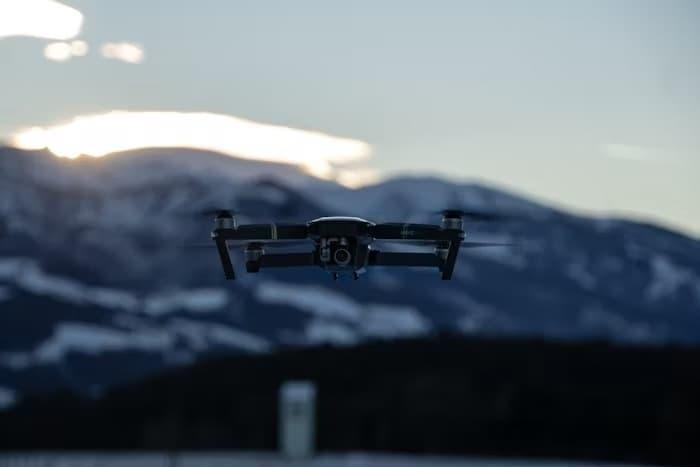 Find an approved testing center near you (many aviation academies and certified agencies offer this service). Fees vary, so confirm your booking and arrive prepared with identification and required documents.
 - Submit Background Checks: In some regions, passing a background check or presenting a clean criminal record is required before receiving your remote pilot certificate.
- Receive Your License: Upon successfully passing the test and submitting necessary paperwork, you will be issued a drone pilot license, either in digital or physical form. With it, you are permitted to fly commercially within the guidelines set forth by your nation’s aviation authority.
Tips to Help You Pass the Drone Pilot License Exam
- Study official guidebooks or FAA training manuals for your region
- Take online courses with practice quizzes and visual aids
- Memorize crucial airspace maps and classifications
- Understand meteorological concepts—how weather can impact flights
- Familiarize yourself with common emergency procedures and reporting requirements
Legal Requirements After Earning Your License
Once licensed as a drone pilot, you must adhere to ongoing regulations and best practices. This typically includes:
– Operating only within permitted airspace and avoiding restricted zones
– Maintaining visual line of sight with your drone at all times
– Keeping your license current through renewals and refresher courses
– Logging your flight hours and incidents in an official record
Regular updates to rules are common. Stay informed by joining local drone pilot associations or monitoring government regulatory updates.
Benefits of Holding a Drone Pilot License
- Unlocks professional and commercial flying opportunities
- Allows access to restricted or special flight areas/government contracts
- Enables application for advanced insurance coverages
- Demonstrates commitment to safety and responsibility

Maintaining and Upgrading Your License
Most licenses require renewal every few years, sometimes accompanied by an updated knowledge test. Some countries allow for advanced certifications to operate larger or more complex drones, night flights, or beyond-visual-line-of-sight (BVLOS) missions. If you plan to expand your drone operations, look into additional endorsements available through your aviation authority to keep your credentials up to date.
Common Mistakes to Avoid
- Failing to check local airspace restrictions before flying
- Neglecting drone registration or insurance requirements
- Overlooking regular maintenance and safety checks
- Flying beyond line-of-sight or exceeding altitude limits
Advanced Opportunities for Licensed Drone Pilots
With a drone pilot license in hand, career possibilities multiply. Licensed pilots can earn income by offering aerial videography, mapping, inspections, agricultural monitoring, delivery services, and even participate in search and rescue operations. Some organizations seek licensed drone pilots for environmental surveys, infrastructure maintenance, and law enforcement support.
Best Practices for Responsible Flying

- Always respect privacy and avoid filming or flying over private property without permission
- Monitor weather conditions and avoid flying during adverse weather events
- Respect wildlife and protected habitats by keeping a safe distance
- Engage with local drone pilot communities for networking and up-to-date advice
Conclusion
Obtaining your drone pilot license sets you apart as a reputable, responsible drone operator. By adhering to rules, keeping your license current, and continuing your education, you can explore new career heights and creative adventures with confidence. Be sure to keep your drone registered, understand compliance requirements in your jurisdiction, and fly with professionalism at all times.

Frequently Asked Questions (FAQ)
- How long does it take to get a drone pilot license?
- Most aspiring drone pilots can earn their license within a few weeks, assuming successful exam completion and timely document processing. Preparation time depends on individual study habits and familiarity with aviation concepts.
- Can I fly my drone at night with a standard license?
- Many regulations permit night flying for licensed pilots who have completed additional safety endorsements or training. Check your local aviation guidelines to ensure compliance before flying at night.
- What happens if I fly without a drone pilot license?
- Flying commercially without a drone pilot license can result in steep fines, legal penalties, and revoked drone registration. Always ensure you are properly licensed and compliant before operating a drone professionally.