
Understanding FPV Drones: Features, Benefits, and Practical Uses
FPV drones, short for “First Person View drones,” have revolutionized the way enthusiasts, professionals, and hobbyists experience drone technology. But what is a FPV drone, exactly? The term refers to unmanned aerial vehicles equipped with cameras that transmit live video footage directly to the pilot via goggles, screens, or mobile devices. This immersive flight experience makes FPV drones stand out from standard drones. In this comprehensive guide, we’ll explore the essential features, advantages, and versatile applications of FPV drones.
What Is a FPV Drone: Breaking Down the Core Concept
An FPV drone allows the operator to “see” from the drone’s perspective, thanks to real-time video transmission. Unlike traditional drone operation, where you control the aircraft from a distance while watching its movement from the ground, FPV drones give you an in-cockpit view. This elevated experience is achieved through a camera mounted on the drone, which sends high-definition video signals to a receiver, usually FPV goggles or a monitor. With technologies continually evolving, systems now offer ultra-low latency, crisp image quality, and a range of transmission distances.
Key Features of FPV Drones
- Live Video Transmission: The signature feature is seamless live video feed, allowing intuitive flight control.
- FPV Goggles: Specialized goggles provide immersive visuals, making you feel as though you’re on board.
- Agile Maneuverability: Most FPV drones prioritize speed and agility, supporting complex moves for racing or acrobatics.
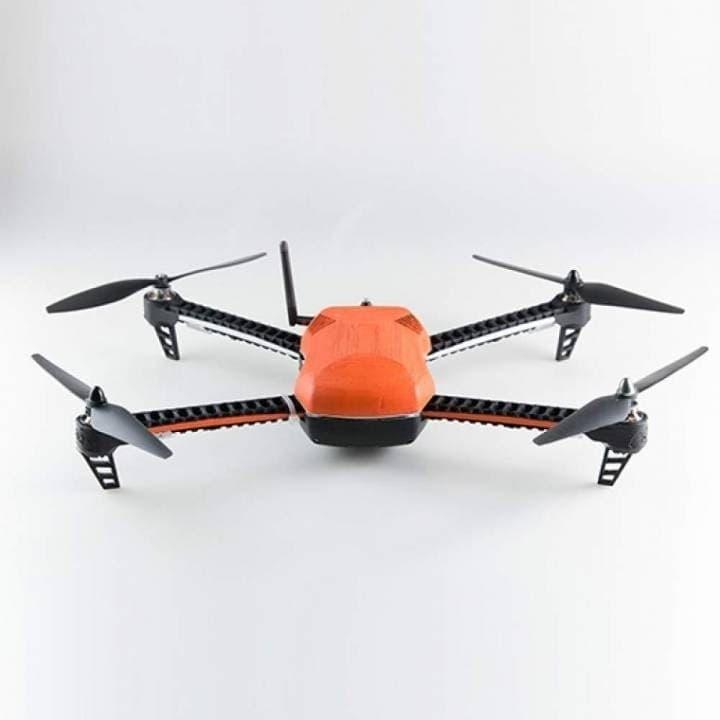
- Customized Builds: Enthusiasts can modify frames, cameras, motors, and transmitters for specific flight requirements.
- Advanced Flight Controllers: These ensure stable flight, programmable flight modes, and precision control.
- Cameras with Variable Field of View (FOV): Camera FOV can be optimized for navigation or cinematic purposes.
- Broadcast Frequencies: FPV drones commonly use 5.8GHz video transmission, reducing interference and improving reliability.
The combination of these features means FPV drones aren’t just functional—they’re tailored for performance and immersion.
Benefits of Flying FPV Drones
- Enhanced Immersion: The first-person perspective transforms flying into a deeply engaging experience—akin to piloting a jet remotely.
- Improved Control: Real-time video lets pilots react instantly, maneuvering with heightened awareness.
- Skill Building: FPV flying sharpens hand-eye coordination, spatial perception, and technical proficiency.
- Creative Filmmaking: Cinematic FPV drones open possibilities for creative content production, from sports events to real estate tours.
- Expansion of Aerial Sports: Drone racing communities are booming, blending technology, competition, and teamwork.
Common Uses of FPV Drones
FPV drones aren’t just for recreation. Their versatility supports diverse industries and personal interests:
- Drone Racing: Organized events attract athletes and spectators, leveraging rapid video transmission and custom builds.
- Freestyle Competitions: Pilots showcase agility and creativity in freestyle contests, judged on execution and style.
- Professional Videography: FPV drones capture stunning, smooth footage for movies, commercials, and documentaries.
- Inspection & Surveying: In construction or agriculture, FPV drones offer precise perspectives for assessments, mapping, and monitoring remote sites.
- Search & Rescue: Enhanced visibility and maneuverability make FPV drones invaluable for reaching inaccessible locations in emergencies.
- Educational Platforms: Schools and universities use FPV technology for hands-on STEM learning and robotics competitions.
How to Get Started with FPV Drones
Newcomers to FPV should explore several key steps:
- Research different FPV drone types and choose one suited for your interests—racing, freestyle, or filming.
- Invest in FPV goggles or headsets for maximum immersion.
- Learn the basics of flight, safety, and local regulations to ensure responsible usage.
- Join online forums or local flying clubs to exchange tips and troubleshoot issues.
- Practice regularly; flight simulators help build confidence before actual flights.
Building, customizing, and flying FPV drones can be as simple or complex as you choose, accommodating every skill level.