
Drone Gun Technology: Unveiling the Latest Advancements
In recent years, the evolution of drone gun technology has emerged as a revolutionary force in the world of counter-drone security and defense systems. With the growing prevalence of drones for both recreational and malicious purposes, the need for effective anti-drone solutions has never been greater. From protecting sensitive locations to ensuring airspace safety, the latest developments in drone gun technology are enabling authorities to take decisive action against unauthorized UAVs.
What is a Drone Gun?
A drone gun
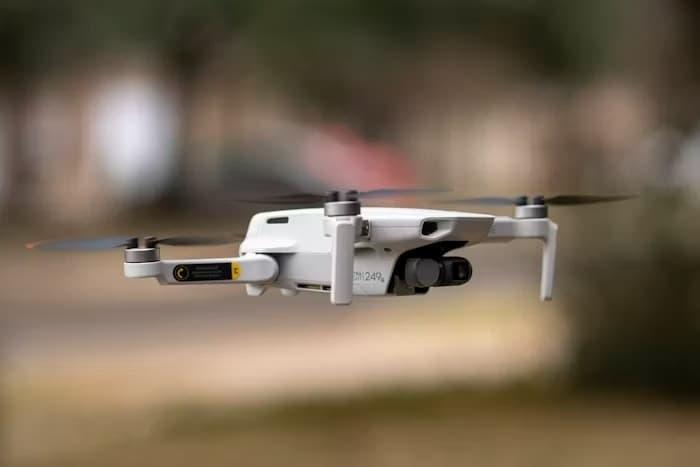 is a specialized device designed to disrupt and neutralize unmanned aerial vehicles (UAVs) by interfering with their communication signals. Rather than using physical projectiles, these sophisticated systems rely on jamming radio frequencies, GPS signals, or both, forcing the drone to land, return to its operator, or lose control altogether. The non-lethal, targeted approach of the modern drone gun has rapidly gained popularity in security circles globally.
Recent Breakthroughs in Drone Gun Development
- Improved Range and Accuracy: Contemporary models can detect and disrupt drones at distances exceeding two kilometers, providing early intervention capabilities for large perimeters.
- Multi-Frequency Jamming: The latest advancements allow for simultaneous jamming of multiple frequency bands such as 2.4GHz, 5.8GHz, GPS L1/L2, ensuring effectiveness against a wider variety of UAV models.
- Lightweight & Portable Designs: Engineers have focused on making drone guns more ergonomic and easier to deploy, with some models being handheld and weighing less than 6kg, allowing for rapid response and mobility.
- Integrated Targeting Systems: Incorporation of optical scopes, thermal imaging, and AI-enhanced targeting systems improves identification and engagement accuracy even in adverse visibility conditions.
Key Applications of Drone Gun Technology
The advancement of drone gun solutions has expanded their applications far beyond simple airspace defense. Notable uses include:
- Military and Law Enforcement: Preventing reconnaissance, smuggling, or surprise attacks facilitated by drones in conflict zones and border areas.
- Critical Infrastructure Protection: Shielding airports, power plants, and governmental buildings from potential drone-borne threats or disruptions.
- Event Security: Maintaining the safety of large gatherings such as concerts, sporting events, and political rallies by deterring drone intrusions.
- Private Security: High-profile individuals and corporations employ drone guns as part of comprehensive security strategies to safeguard against espionage or invasions of privacy.
Benefits & Limitations

The usage of drone gun technology brings substantial benefits: non-destructive neutralization, operator safety, and adaptability to emerging UAV threats. However, there are still limitations to consider. Some advanced drones employ anti-jamming technologies or autonomous navigation systems that can bypass conventional jamming techniques. Environmental factors, legal restrictions regarding signal jamming, and cost of deployment are also important considerations affecting widespread adoption.
Drone Gun vs. Other Counter-Drone Solutions
Apart from drone guns, several alternative counter-drone measures exist—including net guns, directed energy weapons, trained birds of prey, and traditional kinetic interceptors. Drone guns stand out due to their non-kinetic, scalable, and flexible approach, making them less likely to cause collateral damage or unintentional harm. Moreover, their rapid deployability and immediate effect upon target drones make them particularly attractive for reactive defense scenarios.

Regulatory and Ethical Considerations
While drone gun technology presents an effective solution for unauthorized drone incidents, its application is subject to strict legal frameworks. Disrupting radio and GNSS signals can inadvertently affect legitimate aerial and telecommunications services, so usage is typically restricted to authorized personnel. Ethics surrounding privacy and proportionality must also be weighed—ensuring that anti-drone actions are justified and do not infringe on personal freedoms or safety.
Future Trends in Drone Gun Technology
The landscape of drone gun technology is dynamic, with ongoing research focusing on even greater integration with artificial intelligence for real-time drone identification and response automation. Other trends include miniature wearable versions, integration into autonomous vehicles, and the development of more sophisticated spoofing and recovery tools to seize control of incoming drones instead of merely jamming them. Interoperability with broader airspace monitoring and defense networks is also a priority, allowing for cohesive real-time threat management across multiple assets.
Choosing the Right Drone Gun for Your Needs
Organizations considering the incorporation of a drone gun into their security infrastructure should assess several factors: operating environment, target drone types, response protocols, portability requirements, and local regulatory parameters. Partnering with reputable manufacturers and staying informed about emerging threats is key to maintaining a robust counter-drone capability.
Conclusion
The rapid pace of innovation in drone gun technology is helping to shape a safer and more secure future. As drone usage continues to rise in both civil and threatening contexts, robust counter-UAV measures will remain vital. Ongoing research, legal considerations, and operational inclusion will define how effectively the world can protect its people and infrastructure from aerial risks.
FAQs about Drone Guns
- Q1: Are drone guns legal for civilian use?
- In most regions, drone guns are restricted to military, law enforcement, and authorized security professionals due to their signal-jamming capabilities. Civilian purchase and use are typically prohibited or strictly regulated.
- Q2: How effective are drone guns against autonomous drones?
- While drone guns are highly effective against most commercially available drones, advanced autonomous drones with anti-jamming or pre-programmed flight paths may require more sophisticated countermeasures in addition to jamming.
- Q3: Can drone guns differentiate between friendly and hostile drones?
- Modern drone guns with AI-enhanced detection systems can often identify drone models, but positive identification and threat verification remain essential to avoid neutralizing friendly assets. Operator judgment and supporting surveillance technologies play a key role.