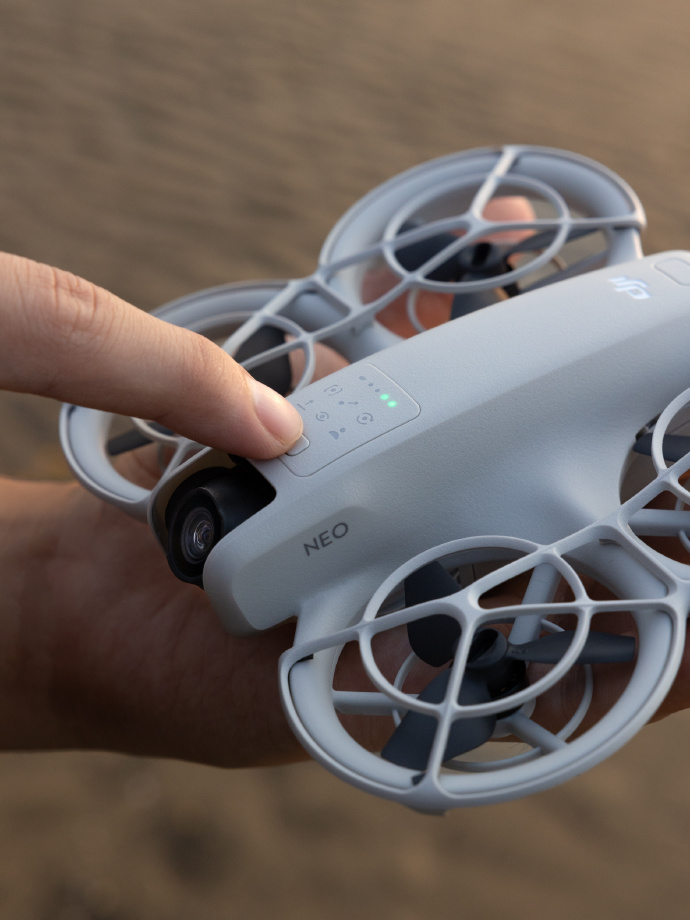
Exploring Innovations in Survey Drones for Data Collection
Survey drones, once a novelty, are now at the forefront of technological innovation, revolutionizing the way data is collected across various industries. These unmanned aerial vehicles (UAVs) provide rapid, cost-effective, and accurate data collection methods, leading businesses to explore new horizons in their operations.
Applications in Various Sectors
Survey drones have found applications in sectors such as agriculture, construction, and environmental monitoring. In agriculture, drones equipped with sensors analyze crop health by capturing multispectral images. These images help farmers optimize their fertilizer usage and improve yield production, ultimately contributing to greater food security.
- Construction Industry
- Environmental Monitoring
The construction industry benefits immensely from the deployment of drones. With the capability to produce detailed topographic surveys and 3D models of sites, survey drones expedite project planning and management, reducing human errors and operational costs. This level of precision can sometimes be unmatched by traditional surveying methods.Environmentalists utilize drones to monitor ecosystems. By capturing high-resolution imagery, drones help track deforestation, manage wildlife habitats, and assess the impact of climate change. These devices are invaluable in understanding finer details of environmental shifts and accelerating conservation efforts.
Data Accuracy and Reliability
Drones collect data with impressive accuracy, aided by advancements in sensor technologies and GPS capabilities. Their ability to hover and maneuver around obstacles ensures comprehensive data gathering even in challenging terrains. The reliability of drone data has made it increasingly suitable for use in legal matters, providing evidence that saved time and resources.
Challenges and Future Prospects
While the benefits of survey drones are undeniable, challenges such as battery life limitations, regulatory issues, and the need for skilled operators remain. However, ongoing research and development promise longer flight times and improved integration of AI for autonomous operations, potentially mitigating these issues in the future.
FAQs About Survey Drones
What are the typical costs involved in deploying survey drones?
Costs can vary widely based on the technology and application. Entry-level drones might cost a few thousand dollars, while advanced models equipped for specialized tasks can be significantly more expensive.
How do drones help in environmental conservation?
Survey drones capture detailed environmental data, offering insights into habitat conditions and conservation needs, assisting in mindful and effective intervention.
Are there restrictions on flying drones in urban areas?
Yes, various regions have specific regulations regarding drone activity in populated areas, often requiring special permissions and clearances to ensure safety and privacy.
In conclusion, survey drones are shaping a new era for data collection, offering unprecedented detail and efficiency. As technology continues to advance, these tools will likely become even more integral across industries, setting new standards for innovative practices.