
The MQ-1C Grey Eagle Drone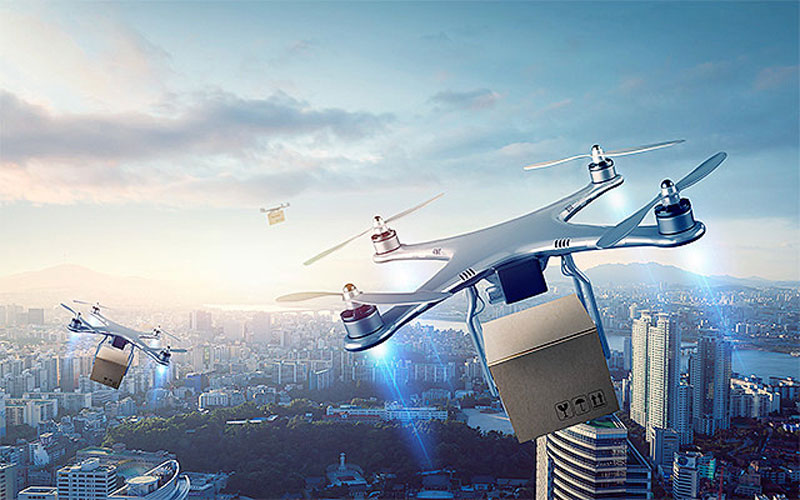 is an advanced piece of military technology that has significantly evolved from its predecessors. Developed for the United States Army, the Grey Eagle is designed to meet the needs of modern warfare by providing comprehensive surveillance, reconnaissance, and attack capabilities. This drone represents a monumental step forward in military UAV technology, offering enhanced durability, advanced payload options, and a suite of high-tech features that define its superiority in aerial defense systems. In this article, we’ll delve into the cutting-edge features of the MQ-1C Grey Eagle Drone, outlining why it stands out in the field of unmanned aerial vehicles (UAVs).
Advanced Aerodynamics and Design
The aerodynamic design of the MQ-1C Grey Eagle Drone plays a crucial role in its operational success. With extended wings and a robust airframe, the drone boasts a higher endurance and increased payload capacity compared to earlier models. Its wingspan, reaching an impressive 56 feet, aids in maintaining balance and stability during long-duration flights.
Powerful Engine and Performance
The Grey Eagle is powered by a Thielert Centurion heavy-fuel engine, which provides up to 160 horsepower, ensuring it can reach speeds of up to 167 knots. This powerful engine allows the drone to have a range of up to 2,500 nautical miles, demonstrating its capability to support extended missions without frequent refueling. The fuel efficiency of the engine is also a notable feature, allowing longer missions with reduced operational costs.
Sophisticated Surveillance Systems
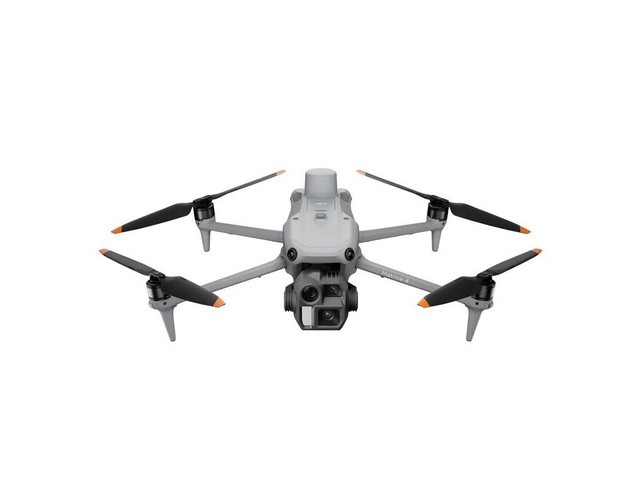
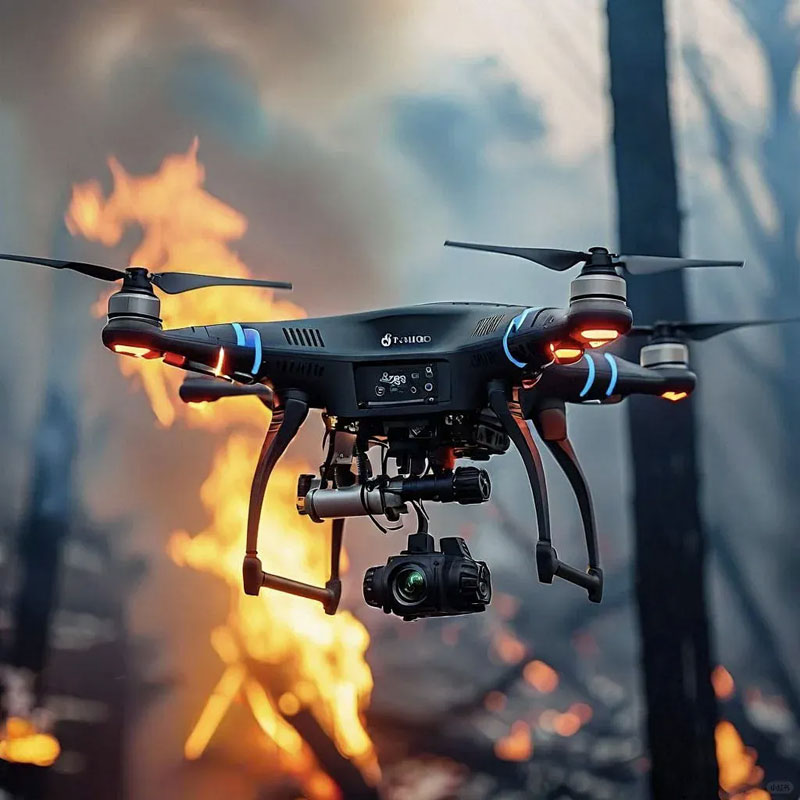
The MQ-1C Grey Eagle Drone is equipped with state-of-the-art surveillance systems, which make it indispensable for intelligence, surveillance, and reconnaissance (ISR) missions. With an advanced avionics suite, the Grey Eagle hosts a comprehensive set of sensors and cameras, including electro-optical/infrared (EO/IR) and synthetic aperture radar (SAR). These capabilities enable day-and-night operations in various weather conditions, making it an effective tool for gathering real-time intelligence.
Advanced Payload and Armament
The Grey Eagle is not only about surveillance; it’s also equipped with advanced armament capabilities. The drone can carry four Hellfire missiles, providing the ability to engage ground targets with precision. The advanced targeting system enables these missiles to hit targets accurately, thereby enhancing its effectiveness in combat roles.
Data and Communication Systems
The data and communication systems aboard the MQ-1C are designed to ensure seamless real-time data transmission. The Army’s One System Remote Video Terminal (OSRVT) allows ground units to receive video feeds directly from the drone, enhancing situational awareness and decision-making. Additionally, these systems are encrypted to prevent interception by adversaries, thus ensuring secure communications at all times.
Operational Flexibility and Adaptability
A key feature of the MQ-1C Grey Eagle is its operational flexibility. Capable of taking off and landing in confined spaces, the drone can operate from a variety of terrains including rugged and unprepared sites. This adaptability makes it an invaluable asset for missions in diverse geographical settings.
FAQs about MQ-1C Grey Eagle Drone
What is the primary function of the MQ-1C Grey Eagle Drone? The primary function of the Grey Eagle is to conduct surveillance, reconnaissance and precision strike missions, providing the Army with real-time intelligence and combat capabilities.
How does the Grey Eagle differ from earlier drones? Compared to earlier drones, the MQ-1C Grey Eagle offers improved endurance, advanced sensors, increased payload capacity, and reinforced engine performance, making it ideal for extended missions.
Can the Grey Eagle operate in harsh weather conditions? Yes, thanks to its sophisticated surveillance systems and robust design, the Grey Eagle is capable of operating in various weather conditions, providing reliable performance even in adverse environments.