
When considering the top drone camera for stunning aerial photography, there are several factors to contemplate. Features such as image quality, stabilization technology, battery life, and ease of control play crucial roles in distinguishing the best from the rest. As these flying devices gain popularity among enthusiasts and professionals alike, it has become increasingly important to select a camera that meets your specific needs while providing exceptional results.
Understanding Drone Camera Technology
Modern drone cameras come equipped with a variety of advanced features that enhance image capturing capabilities, making them indispensable tools for both videographers and photographers. The emphasis on superior sensors, lens quality, and processing power is paramount. The integration of gimbal stabilization technology allows for smooth and stable shooting, even in windy conditions, which is a major consideration for those seeking crystal-clear shots.
Key Features to Look For
- Resolution and Sensor Size: Higher resolution cameras with larger sensors tend to deliver clearer, more detailed images. Always opt for at least a 4K camera.
- Gimbal Stabilization: A 3-axis gimbal is essential for reducing shakiness and ensuring smooth footage.
- Flight Time: Look for drones that offer at least 20-30 minutes of flight time to maximize capture opportunities.
- Ease of Use: User-friendly controls and automated flight modes can significantly enhance your shooting experience.
Top Drone Camera Models
Some leading models stand out in the market for their incredible features and performance. The DJI Phantom and Mavic series are popular choices due to their advanced imaging capabilities and robust build quality. Meanwhile, the Autel Robotics EVO series offers fierce competition with its high-quality camera and extended flight range.
DJI Innovations
The DJI brand is a synonym for excellence in the drone industry. The Mavic Air 2, for example, delivers 48MP photo resolutions and 4K video at 60fps, earning it a place among the best drone cameras available. Its smart shooting modes and obstacle avoidance technology further make it an intuitive choice for budding aerial photographers.
Autel Robotics
Autel Robotics’ EVO II series impresses with its 8K video capabilities and 48MP camera. It’s designed for those who demand the utmost in image detail and control, with additional features such as variable aperture and robust battery life.
Practical Applications of Drone Cameras
Apart from leisure and hobby photography, drone cameras serve multiple practical purposes. They have become integral in industries such as real estate, agriculture, and cinematography. These cameras provide unique perspectives, valuable data, and innovative solutions for image capturing challenges, elevating marketing strategies and operational efficiency.
Considerations for Safety and Regulations
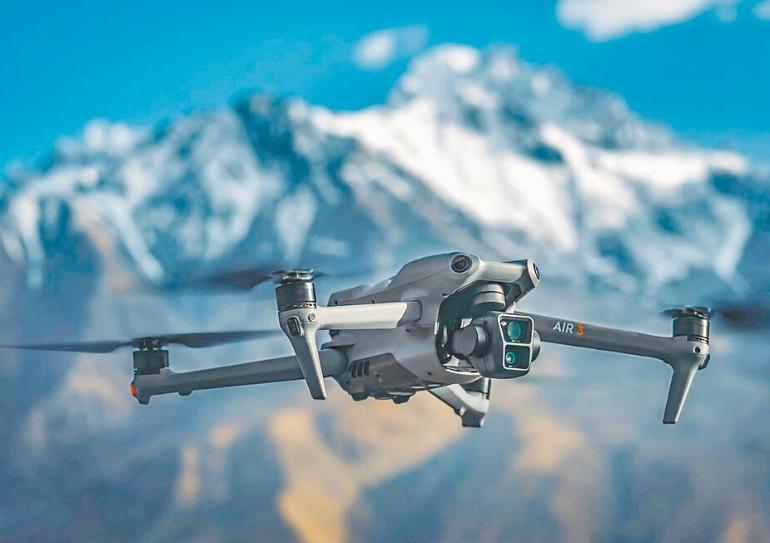
Operating a drone comes with responsibilities, particularly concerning safety and compliance with aviation regulations. It’s critical to be aware of the laws governing drone flight in your area, ensuring you fly within permitted zones and conditions to avoid penalties or confiscation.
FAQs
What is the best drone camera for beginners?
The DJI Mini 2 is highly recommended for beginners. It’s lightweight, easy to maneuver, and offers impressive image quality, making it perfect for those just starting.

How important is a drone’s flight time?
Flight time is crucial as it determines how long you can operate the drone per session. Longer flight times mean more opportunities to capture the perfect shot without interruption.
Can I use a drone camera for professional photography?
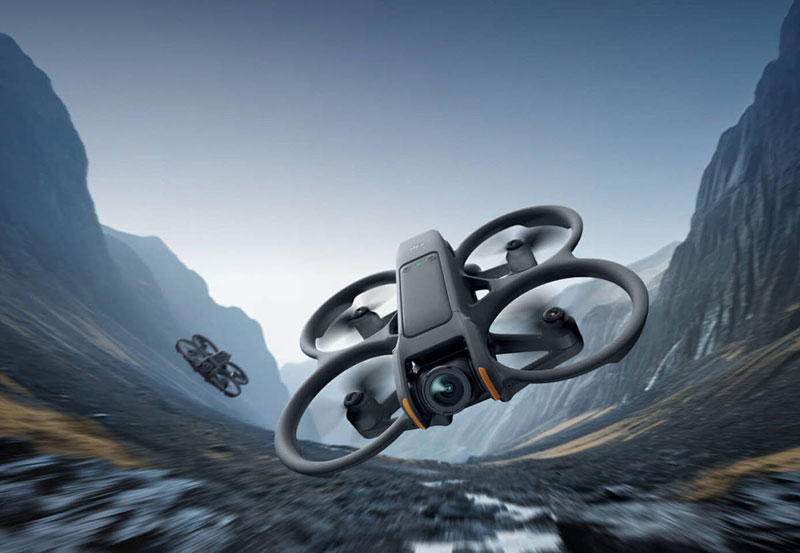
Absolutely. High-end drone cameras offer professional-grade image quality and versatility, making them suitable for commercial photography projects and filmmaking.