
Drone Exploration
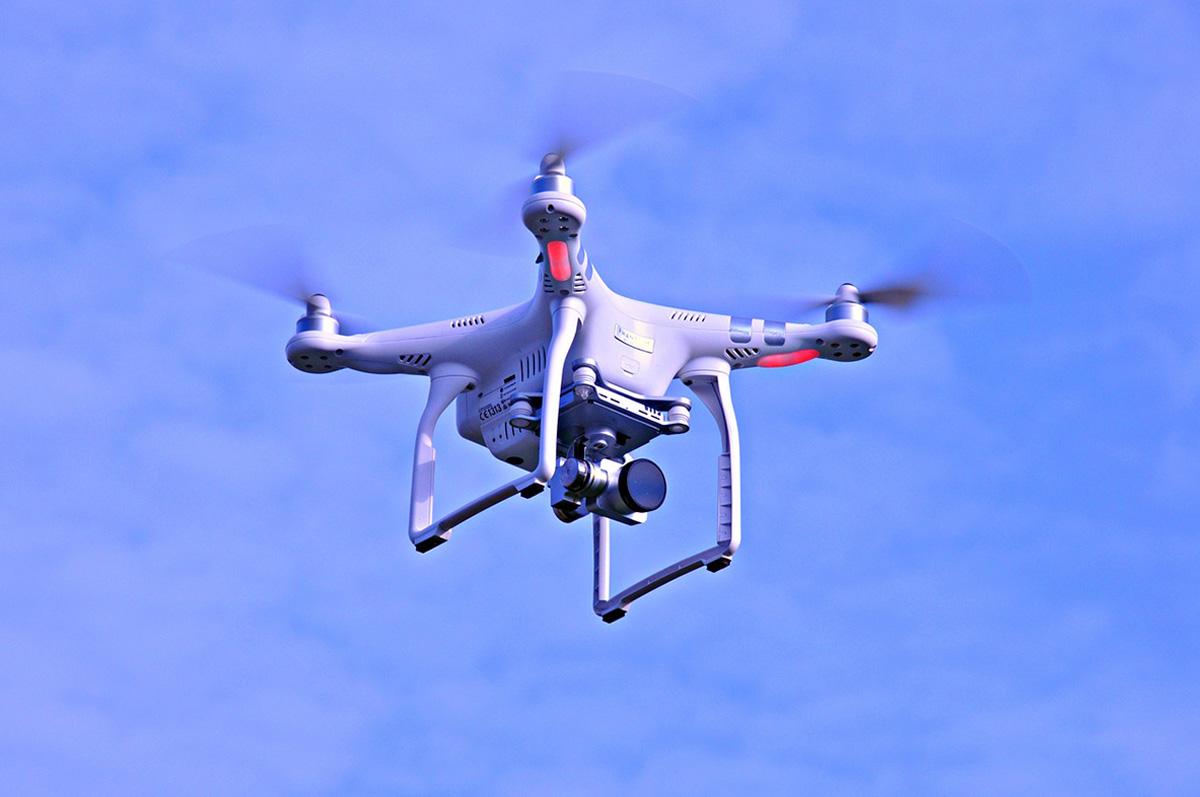
Drone technology has emerged as a revolutionary tool in archaeological exploration. Previously, examining the intricate details and positioning of the Terracotta Warriors was a meticulous and sometimes invasive process. Drones now offer a non-intrusive method for observing and documenting these ancient marvels, providing high-resolution images and data that were otherwise difficult to obtain. These drones, equipped with advanced imaging software, capture not only photos and videos but can also create 3D models that detail every contour and feature of the statues.
Benefits of Innovative Technology
Several benefits arise from integrating drone technology with historical investigations. Firstly, it reduces the need for physical interaction with the artifacts, thus preserving their integrity. Secondly, it provides a more comprehensive view that can highlight subtle features often overlooked in ground-level studies. This approach also assists in locating potential areas for excavation without disturbing the existing formations, preserving the delicate balance of the site.
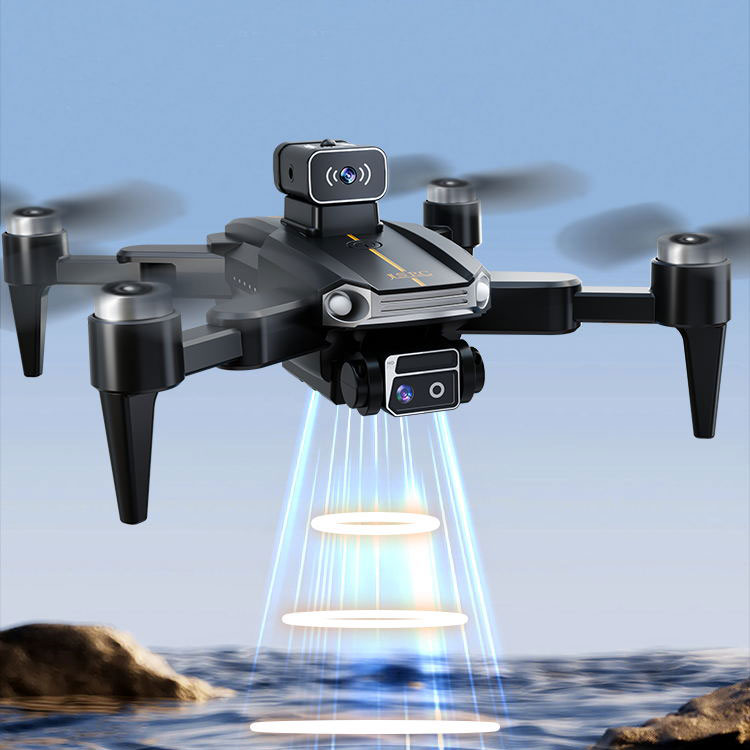
Drone usage extends beyond mere observation; it plays a crucial role in managing and maintaining security around heritage sites. The omnipresent eyes of drones assist in monitoring tourist activities, ensuring the preservation of these invaluable artifacts for future generations.
Challenges and Considerations
However, the use of drones in archaeological sites is not without challenges. There are concerns regarding drones potentially damaging artifacts through accidents or improper operation. There’s also the question of regulatory compliance, as different regions may have restrictions on the use of drones, necessitating careful navigation through legal frameworks.
Moreover, while drones offer a plethora of advantages, they do not replace human expertise. The interpretation of data collected by drones requires skilled professionals who can integrate technology with traditional archaeological methods.
Future Possibilities
Looking forward, the potential for drones in archaeology is vast. They could be used in tandem with other emerging technologies such as LiDAR (Light Detection and Ranging) for even greater accuracy in studying historical sites. Additionally, drones enable the capturing of comprehensive environmental data, opening new avenues for research into climate and ecological conditions that may have affected ancient civilizations.
FAQs
What is the Terracotta Army?
The Terracotta Army is a collection of terracotta sculptures depicting the armies of Qin Shi Huang, the first Emperor of China. These figures were buried with the emperor in 210-209 BCE and were discovered in 1974.
How have drones improved the study of the Terracotta Warriors?
Drones provide aerial overviews and detailed images that help archaeologists understand the spatial arrangement and features of the warriors without physically disturbing the site.
Are drones safe to use around historical artifacts?
While drones offer many benefits, they must be operated carefully to prevent accidents. Ensuring skilled operators and adherence to regulations can minimize risks.