
Discovering awe-inspiring landscapes through drone footage has revolutionized the way we experience the world’s beauty. The captivating aerial views captured by drones provide us with unparalleled perspectives, showcasing the grandeur of natural wonders and urban spaces alike. As technology advances, drone footage becomes increasingly accessible, making it a vital tool for storytellers, advertisers, and explorers aiming to convey their narrative in a visually compelling manner. From soaring over vast mountain ranges to gliding through bustling cityscapes, drones offer a bird’s-eye view that has redefined both photography and videography. Whether you’re exploring the intricate patterns of a sandy desert or the lush expanse of a rainforest, drones provide an angle that humans have longed for but seldom achieved.
The Art and Science of Capturing Drone Footage
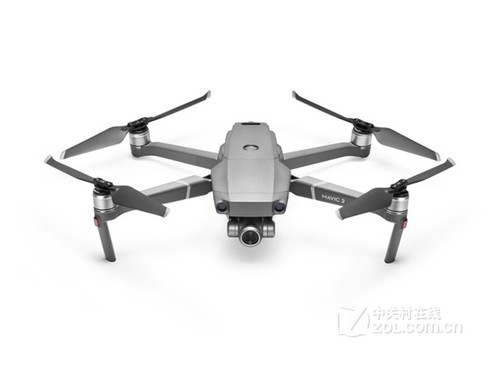
The process of capturing drone footage is both an art and a science, requiring skill, creativity, and technical knowledge. Operators must balance drone handling with the artistry involved in framing shots and composing scenes. Each piece of footage is unique, shaped by the drone’s movement, altitude, and the environment’s natural features. For those new to drone technology, investing time in learning the basics of operation and exploring different settings pays off in the quality of footage produced.
- Choosing the right drone: Not all drones are created equal. The type of drone you choose will influence the quality of your footage. Consider factors such as camera capabilities, flight time, and stability when making a decision.
- Weather conditions: The weather plays a crucial role in aerial shooting. Flying in calm, clear conditions can lead to stunning footage while navigating poor weather can be a challenging task.
- Legal considerations: Drone operation involves adhering to regulations that vary by region, ensuring safety and privacy while capturing footage.
- Editing and post-processing: After capturing the raw footage, the editing process enhances and refines videos. Skilled editors can bring out colors and details that elevate the final product.
Drone Footage in Different Sectors
Drone footage is not just a hobbyist’s tool; it finds application across various industries. In real estate, drones offer potential buyers unique property overviews that traditional photography cannot match. In agriculture, drones monitor crops, providing essential data without the need for manual inspections. Environmentalists use drones to track wildlife patterns and assess conservation efforts from above, gaining insights otherwise inaccessible from the ground.
Moreover, drones are pivotal in filming for entertainment and media, allowing directors to capture dynamic scenes that drive narratives and captivate audiences. This technology’s application extends to tourism, where destinations capitalize on drone footage to entice travelers with breathtaking visuals and unparalleled sightseeing experiences.
Innovations and Future Potential
The future of drone footage seems boundless as technology progresses. Emerging innovations include drones capable of capturing footage in challenging conditions, such as underwater exploration or extreme weather scenarios. Drones may soon integrate with virtual reality experiences, immersing users in landscapes like never before. Additionally, advancements in AI could facilitate automated footage editing, enhancing drone capabilities further.
FAQs
- How high can drones legally fly when capturing footage?
- Drone height restrictions vary by country, but most regions set a maximum altitude of around 400 feet (120 meters) for hobbyist drones to ensure airspace safety.
- Can drones shoot at night?
- Yes, drones can capture footage at night, provided they’re equipped with suitable lighting and cameras. However, operators must adhere to additional regulations and standards for nighttime flying.
.jpg)