
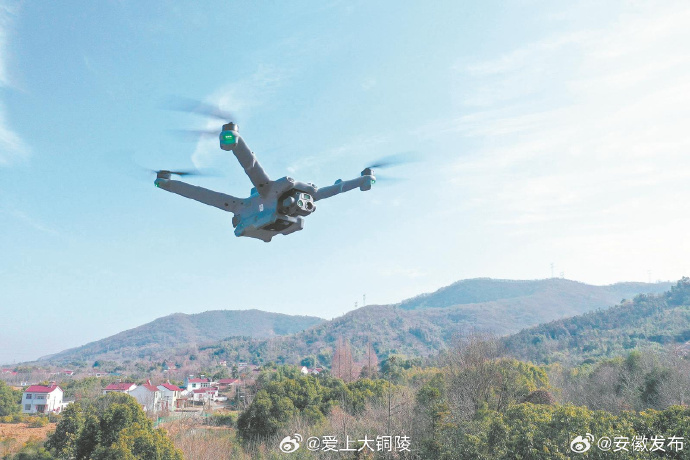
 . The term “drone registry” refers to a system where drone owners must register their devices, providing authorities with crucial information to monitor drone activity effectively. This practice ensures a balance between technological advancement and security measures.
Why a Drone Registry is Essential
Drones can capture high-quality images and videos, which unfortunately includes the risk of invasion of privacy. Instances of drones flying over private property without consent are increasing, leading to concerns about personal privacy violations. With a robust drone registry, authorities can trace the ownership of any drone, making it easier to resolve such privacy breaches. Additionally, a registry helps prevent unauthorized usage of drones in restricted areas, safeguarding critical infrastructures.
Benefits of Drone Registration
- Accountability: By requiring drone registration, owners are held accountable for their drone’s activities, deterring misuse.
- Efficiency in Monitoring: Authorities can easily track registered drones, improving surveillance and response times.
- Security Enhancement: A registry allows for prompt identification of potentially hazardous or illegal drones, thus preserving safety.
Implementing a drone registry also fosters responsibility and awareness among drone operators. These operators tend to be more cautious and aware of regulations when they know their drones are tracked.
Privacy Measures in Drone Registries
It’s worth noting that a drone registry doesn’t mean the collection of unnecessary personal information. Most systems are designed to protect user privacy while ensuring security. Information needed typically includes the drone’s serial number, model, and the owner’s contact details, which is sufficient for tracking without infringing personal data privacy.
Challenges and Considerations
Although beneficial, implementing a comprehensive drone registry can be challenging. The main hurdles involve developing standardized procedures across various jurisdictions, addressing technological limitations, and ensuring compliance without overburdening users. Collaborative efforts between government entities and drone manufacturers are crucial for creating a smooth and efficient registration process.
Future Perspectives

As drone technology evolves, so will registry systems. Future updates might include enhanced capabilities such as real-time tracking and automated alerting for unauthorized activities. These improvements promise to further secure airspaces and protect privacy while accommodating the growing popularity of drones.
FAQs on Drone Registry Systems
What are the penalties for not registering a drone?
Failure to register a drone can result in fines or legal action, depending on jurisdiction regulations. Penalties aim to ensure compliance and safety.
How does a drone registry protect privacy?
The registry limits data collection only to what is necessary for tracking, ensuring personal privacy is maintained while monitoring drone activities.
Are all drones required to be registered?
Most regions mandate registration for drones above a certain weight or used for commercial purposes, but regulations vary globally.