
Overview of Iranian Drone Technology
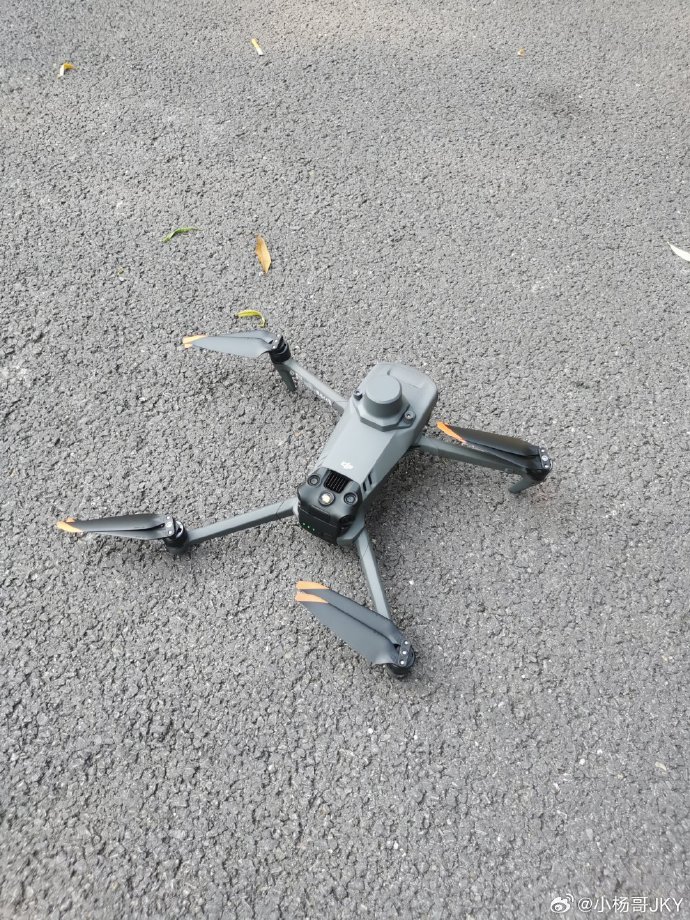 Iran’s drone program has evolved rapidly, reflecting the country’s commitment to enhancing its military capabilities. The drones are designed for reconnaissance, combat, and surveillance missions, providing Iran with versatile tools to respond to various military and strategic needs. Among the most notable models are the Shahed, Mohajer, and Ababil series, each offering unique features suited to different operational requirements. These drones benefit from advanced avionics systems, sophisticated camera equipment, and extended flight ranges.
The Strategic Role of Iranian Drones
Iranian drones have become integral to the country’s defense strategy, especially given the geopolitical tensions in the Middle East. They are used for intelligence-gathering purposes, enabling Iran to monitor enemy movements and collect crucial data. Moreover, these drones can carry precision-guided munitions, making them effective in offensive operations as well. This capability allows Iran to demonstrate its military prowess and deter potential threats.
Global Influence and Exportation
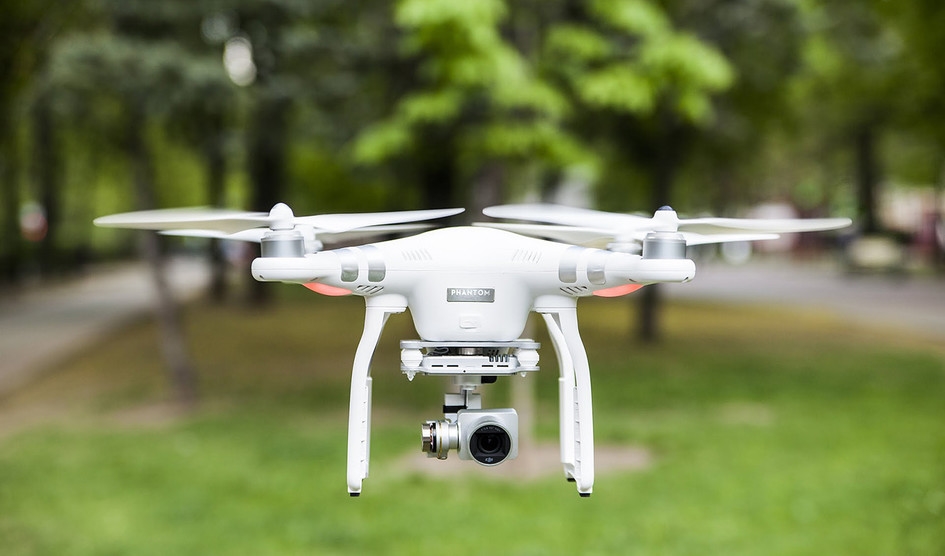 The impact of Iranian drone technology extends beyond its borders, with several nations showing interest in acquiring these UAVs. Countries in Africa and Asia have reportedly engaged in drone deals with Iran, citing the effectiveness and affordability of Iranian models. This exportation not only boosts Iran’s economy but also increases its influence on the international arena.
Challenges Posed by Iranian Drone Technology
Despite the benefits, Iranian drone technology presents certain challenges. One significant concern is the potential misuse of these drones by non-state actors, leading to increased instability and conflict. There are also concerns about aerial espionage and unauthorized surveillance operations hampering regional peace efforts.
The Role of International Regulations
As Iranian drones continue to spread globally, there is a pressing need for international regulations governing their use. These guidelines should focus on preventing proliferation to unsuitable parties and ensuring that countries adhere to humanitarian laws when deploying drones in combat scenarios.
International bodies, including the United Nations, are under increasing pressure to develop comprehensive frameworks to address these issues and ensure drones contribute positively to peacebuilding and security.
Opportunities for Diplomatic Engagement
Iran’s expanding drone capabilities might also open doors for new diplomatic engagements. Engaging with Iran on drone technology can provide opportunities for dialogue, promoting transparency and building trust among nations. Collaborative efforts can focus on sharing expertise and establishing bilateral agreements that foster cooperation in drone development and utilization.
Frequently Asked Questions (FAQ)
- What are the most advanced Iranian drones currently in use? The Shahed, Mohajer, and Ababil series are among the most advanced Iranian drones, each serving different military functions.
- How do Iranian drones impact global military strategies? They influence power dynamics by enabling countries that acquire them to enhance their defensive and offensive operations, potentially altering regional balances.
- What measures can be taken to prevent the misuse of Iranian drone technology? Establishing strict international regulations and enhancing diplomatic engagement can help ensure responsible use of drones and curb misuse by unauthorized parties.
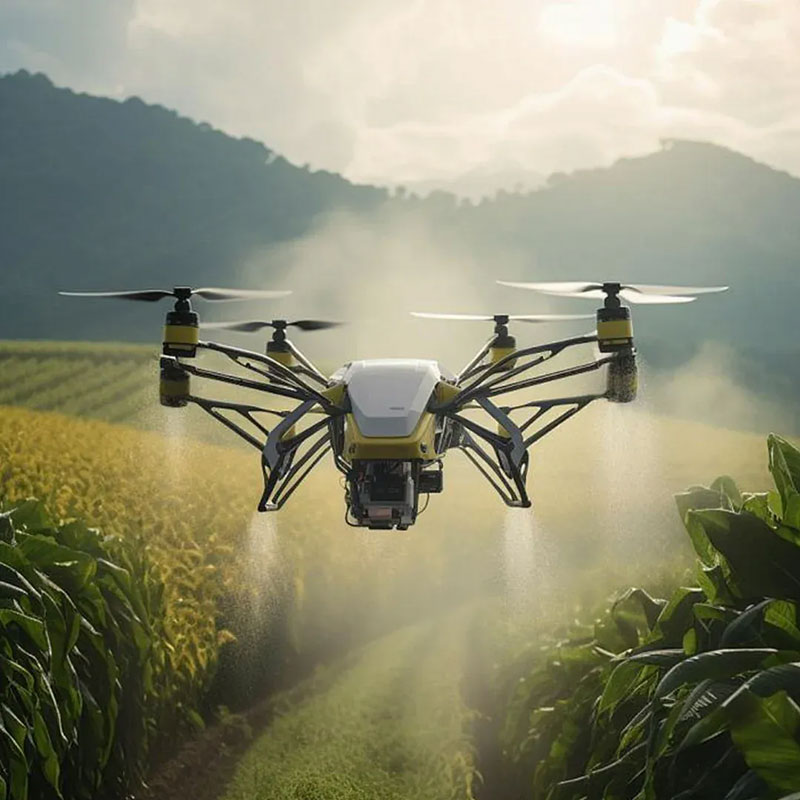
In conclusion, Iranian drone technology signifies both opportunity and threat on the global stage. Its advancements enable Iran to assert itself as a significant military power while prompting international discourse on responsible UAV use. As nations navigate the complexities of drone technology, collaboration and regulation will be vital in harnessing its potential for global good.