
The rise of drone technology has significantly altered the landscape of modern warfare and international security. During Trump’s presidency, there was a notable increase in drone strikes, raising crucial questions about their implications for global security and political dynamics. Drone strikes, executed with precision to target perceived threats, have become a cornerstone of military strategy, particularly in areas fraught with instability and terrorism.
Increased Frequency and Targets
Trump’s administration witnessed a surge in drone attacks, as national security policies broadened the scope and frequency of these operations. The priority was dismantling terrorist networks in regions such as the Middle East and North Africa. With advanced surveillance capabilities, drones allowed for real-time data collection and enhanced operational success rates. However, increased frequency raised ethical concerns regarding civilian casualties and the sovereignty of nations.
Global Security Implications
The intensified use of drones under Trump’s leadership impacted global security in various ways:
- Deterring Terrorism: Drone strikes have proven effective in neutralizing high-profile terrorist leaders and dismantling terror cells, potentially reducing the immediate risk of attacks.
- Straining Diplomatic Relations: Unilateral drone operations sometimes strained diplomatic ties with nations where drones operated, leading to potential geopolitical tensions.
- Impact on Civilian Populations: Despite precision targeting, there have been instances of collateral damage affecting civilian populations, leading to local animosity and unrest.
Technological Advancements and Limitations
Drones are equipped with sophisticated technology allowing for remote piloting and detailed surveillance. These advancements have made drones an attractive military asset. However, their limitations should not be overlooked:
- Reliance on Intelligence: The success of drone strikes heavily depends on accurate intelligence. Erroneous data can lead to ineffective missions and unintended casualties.
- Resistance and Countermeasures: As drone usage increases, efforts to counteract these technologies by potential targets also rise, leading to an arms race of technological innovations.
- Legal and Ethical Concerns: The legality of cross-border drone strikes and their ethical implications continue to spark international debates.
Policy Shifts and Future Considerations
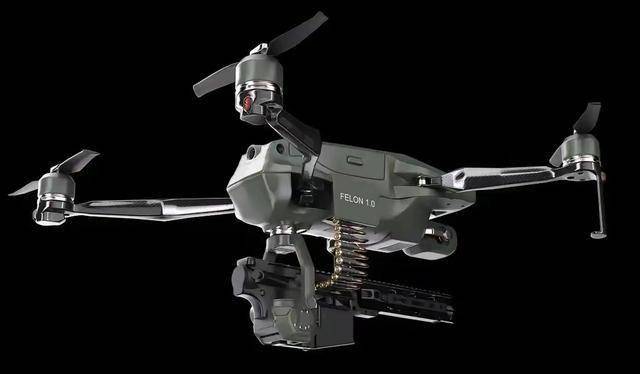
With the shift in leadership after Trump’s tenure, the approach to drone strikes and their role in national security policies may evolve. Future administrations must balance the military advantages of drone operations with diplomatic and humanitarian considerations. There’s potential for utilizing drones for surveillance rather than targeted strikes, which could offer a compromise in contexts sensitive to military intervention.
Frequently Asked Questions
How have drone strikes evolved in recent years?
Drone strikes have evolved with technological advancements, allowing for increased precision and real-time intelligence gathering. This evolution has made drone strikes pivotal in modern military strategy but also raised ethical and legal questions.
What are the alternatives to drone strikes?
Alternatives include diplomatic engagement, intelligence operations, and traditional ground forces deployments. Each has unique advantages and disadvantages, and their efficacy depends on the context and objectives.