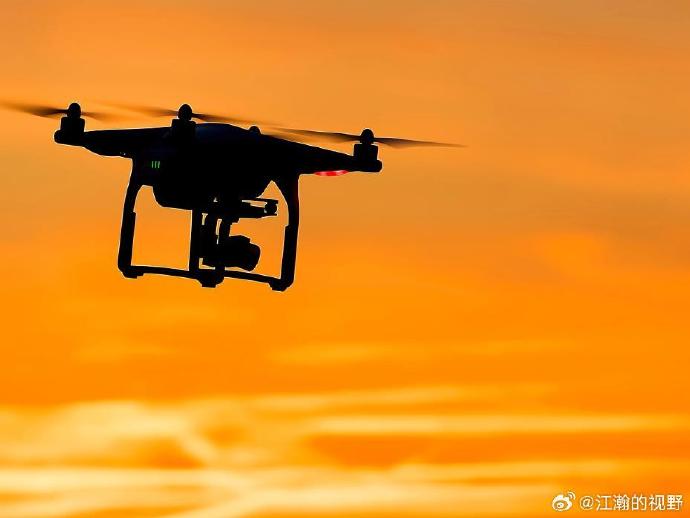
Creating your own LEGO drone combines creativity, engineering, and the joy of DIY projects. These small, innovative flying machines are made from LEGO bricks, offering a fun and functional way to explore both building and flying technology.
Why Build a LEGO Drone?
LEGO is a versatile and universally loved building system that invites unlimited possibilities for invention. When paired with drone technology, LEGO lets enthusiasts create customized designs, from quadcopters to other flying marvels. The keyword “LEGO drone” is gaining traction as makers increasingly look for creative uses for their LEGO collections that extend into robotics and aerodynamics.
Required Materials
- You will need LEGO bricks, preferably lightweight pieces to ensure your drone can fly effectively.
- A drone flight control system, including a flight controller and electronic speed controllers (ESCs).
- A set of propellers compatible with micro drone components.
- A lithium polymer (LiPo) battery for power supply.
- Some strong adhesive to secure the LEGO parts to the drone components (if necessary).
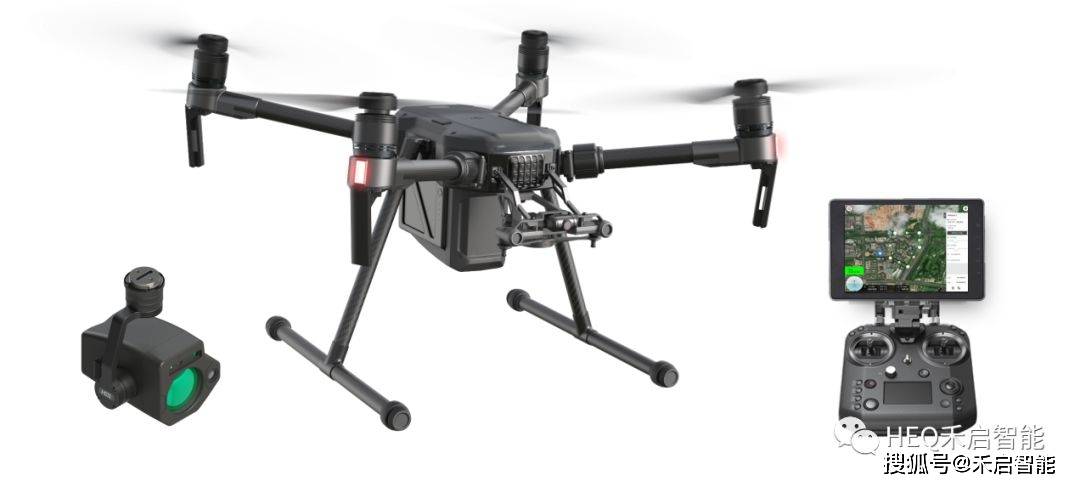
Combining LEGO blocks and drone parts can transform a static LEGO model into a functional flying drone. The process, however, requires patience, an understanding of aerodynamic principles, and attention to weight distribution.
How to Build Your LEGO Drone
- Start by designing the drone frame using lightweight LEGO bricks. Keep in mind that the frame should be symmetrical for balanced flight control.
- Attach the motors and electronic speed controllers securely to your LEGO frame.
- Connect the flight controller to the motors. Ensure that wiring is neat and organized to avoid damage during the drone’s operation.
- Install propellers onto each motor. Test to confirm that each propeller is rotating in the correct direction for achieving lift.
- Attach the battery to the frame in a place that ensures balanced weight distribution. Use velcro straps or clips for easy removal and charging of the battery.
- Before flying, test the overall stability of the drone.
Challenges You Might Face
One of the main challenges while building your LEGO drone will be minimizing weight. LEGO bricks are not as light as components specially engineered for drones. Balancing the weight of brick-based designs and ensuring the motors can support both the frame and additional electronics is essential. Also, because LEGO structures might not be entirely secure, you may need to use adhesives strategically.
The LEGO Drone Community and Learning Opportunities
Exploring the world of LEGO drones doesn’t have to be a solo journey. Platforms like YouTube, Reddit, and maker forums are full of enthusiasts sharing their tips, tricks, and experiences with building drones using LEGO. Joining a community not only provides inspiration but can also help troubleshoot common problems and learn flying techniques.
Building a LEGO drone is a hands-on project that presents endless learning opportunities. You’ll gain insights into robotics, drone mechanics, and even programming if the flight controller you use supports advanced programming features.
Flying Your LEGO Drone
After successfully building your LEGO drone, the flying part brings a whole new level of excitement. Learn basic drone piloting skills in an open, safe area. Many beginner-friendly controllers offer stabilization features, which come in handy when flying a lightweight LEGO model.
Flying responsibly is critical. Always check local regulations about using drones and follow ethical flying guidelines.
FAQs: LEGO Drones
- Can I use any LEGO bricks for building a drone? It’s best to choose lightweight bricks, as heavy pieces can impede flight capabilities.
- Do I need any coding skills to operate a LEGO drone? Basic coding is sometimes useful but not always necessary. It depends on the flight controller system you choose.
- What’s the cost of building a LEGO drone? While most LEGO pieces can be sourced from existing collections, electronic components for the drone, such as motors, propellers, and a flight controller, may cost between $50-$150 depending on the level of technology used.