
In today’s rapidly evolving technological landscape, the integration of thermal cameras with drones has revolutionized surveillance and monitoring tasks. These advanced drones are not just a testament to human innovation but have become indispensable tools in various sectors. Whether it’s for security surveillance, search and rescue operations, or agricultural monitoring, the drone with a thermal camera offers unparalleled advantages.
The Technology Behind Drones with Thermal Cameras
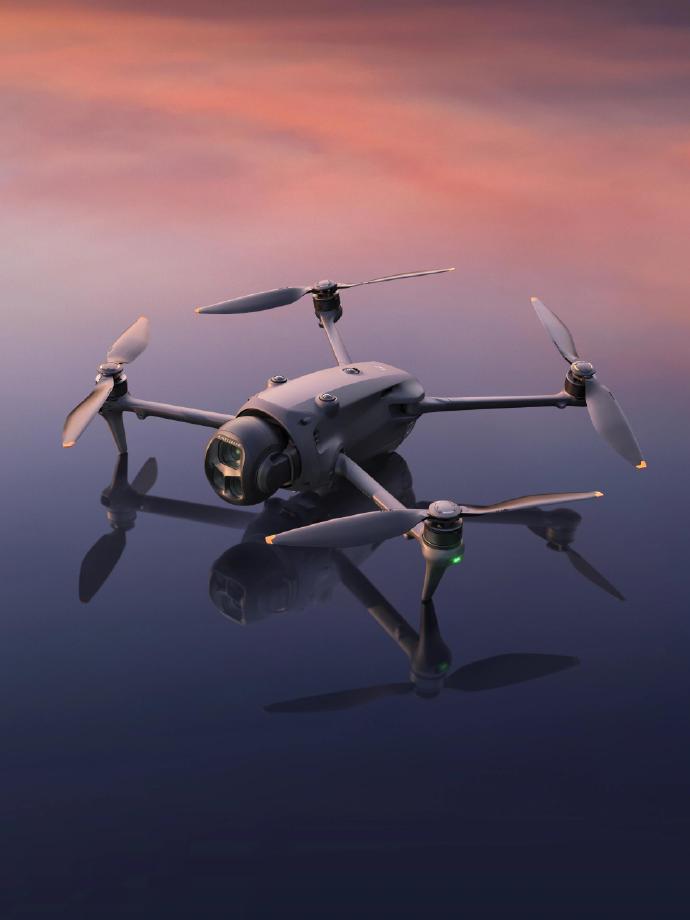
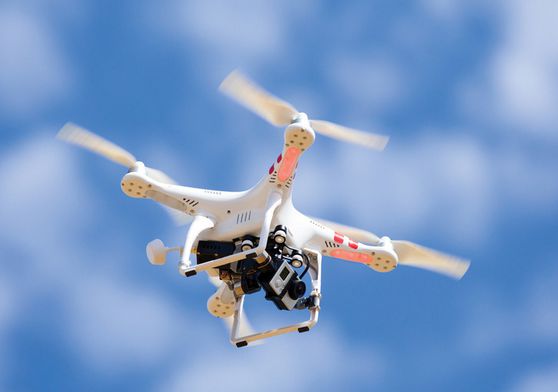
Thermal cameras operate by detecting infrared radiation emitted by objects. Essentially, they make the invisible visible, allowing operators to see in total darkness and through obstructions such as smoke or foliage. Drones equipped with these cameras can capture temperature variations, enabling the identification of warm bodies or overheating machinery, which is vital in various applications.
Core Benefits of Thermal Camera Drones
1. Enhanced Security
Drones with thermal cameras offer increased security efficiency. They can patrol vast areas without alerting potential intruders, detecting warm bodies hidden amongst shadows or behind barriers, thus enhancing the effectiveness of security operations.
2. Search and Rescue
In emergencies where every second counts, these drones can make a significant difference. They empower rescue teams to locate missing individuals in challenging terrains or under debris, where conventional methods might fail. The accurate heat detection capabilities ensure quick identification even in adverse weather conditions.
3. Agricultural Monitoring
Agriculture benefits massively from drone technology. Farmers can monitor crop health, identify irrigation issues, and even assess yield quality. By identifying areas of abnormal heat, drones help pinpoint stressed crops, ensuring timely intervention and better crop management.
Applications across Industries
Beyond security and agriculture, industrial sectors are also exploiting the utilities of drones. Inspecting hard-to-reach infrastructures, assessing damage in insurance claims, and even in scientific research, thermal camera drones are proving invaluable. For instance, energy companies use them to inspect power lines or detect gas leaks, reducing risk and increasing efficiency.
Advantages Over Traditional Methods
Traditional surveillance methods often require substantial manpower and resources. Drones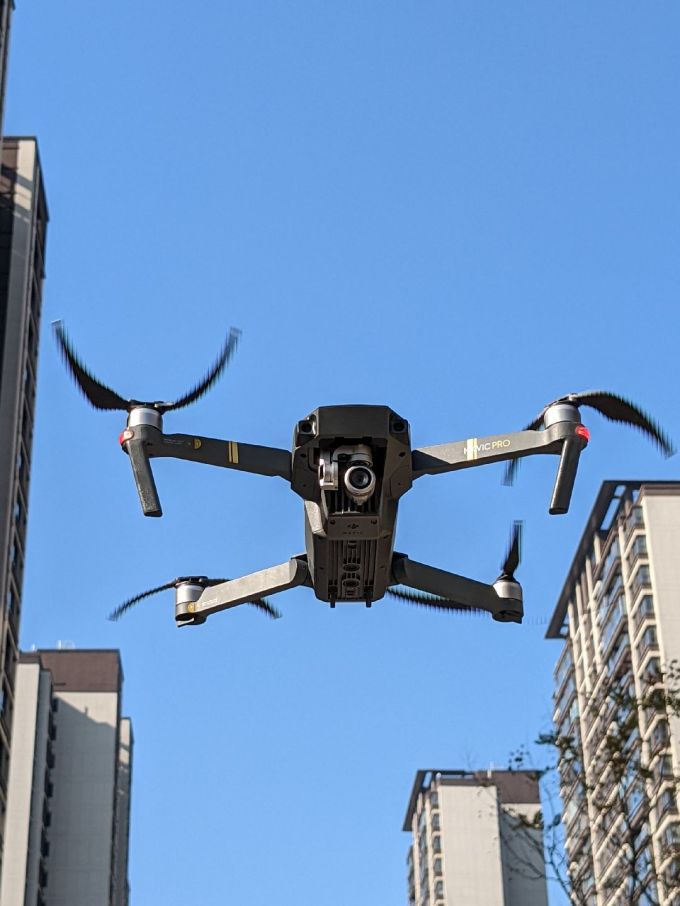 equipped with thermal imaging can reduce these needs drastically, offering more accurate, faster results at a fraction of the cost. This not only improves safety but also allows for widespread deployment across multiple locations simultaneously.
Future Prospects and Innovations
The future holds exciting potential for drones with thermal cameras. With continuous improvements in thermal imaging technology and drone flight capabilities, these devices will see enhanced resolution and greater flight durations. Innovations in AI will further augment their autonomous functions, expanding their scope of application.
Potential Challenges and Considerations
Despite numerous advantages, there are challenges to consider, such as privacy concerns and regulatory restrictions. Ensuring ethical use while navigating complex airspace regulations remains a critical aspect of deploying drone technology. Moreover, investment in skilled personnel to operate and interpret thermal data is crucial for maximizing the benefits.
Common Questions Regarding Thermal Camera Drones
Are these drones difficult to operate?
No, modern drones come with user-friendly interfaces. However, it is recommended that operators undergo training to harness their full potential effectively.
How do they perform in adverse weather?
While they are highly effective, extreme weather conditions like heavy snowfall or rainfall can affect visibility. Nevertheless, their ability to detect heat signatures often compensates for reduced visibility.
What is the cost implication?
The investment cost can be significant, but the long-term benefits and versatility usually justify the expenditure. Prices vary based on specifications and capabilities.
To conclude, drones equipped with thermal cameras are reshaping industries by offering more efficient, reliable, and cost-effective solutions. As technology advances, their role is poised to expand, driving new possibilities across diverse fields.