How Drone Deer Recovery Works
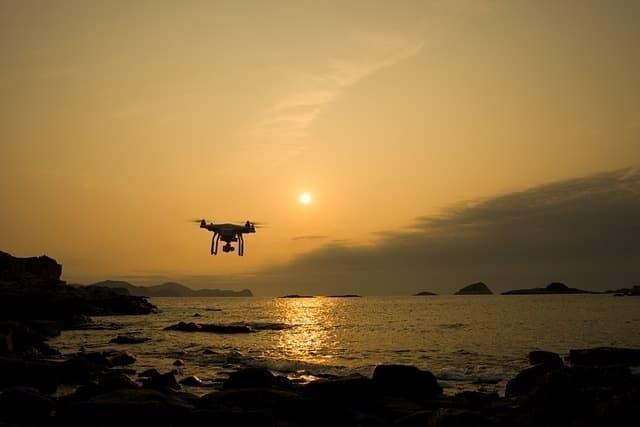
The concept behind drone deer recovery is straightforward yet powerful. Drones equipped with high-resolution cameras—often featuring thermal imaging capabilities—take to the skies to cover vast tracts of forest, fields, and dense brush that would otherwise be challenging for humans to comb. By leveraging aerial perspectives and advanced sensors, these unmanned aerial vehicles quickly detect heat signatures, movement, or even subtle body shapes that are otherwise invisible at ground level. This technology succinctly bridges the gap between locating a lost animal and ensuring ethical hunting practices.
Benefits for Conservation and Hunters Alike

- Improved Recovery Rates: With drone deer recovery, the possibility of missing wounded or expired deer drops dramatically. Not only does this contribute directly to ethical hunting—where every effort is made to track down harvested game—but it also reduces waste and reinforces adherence to local regulations.
- Environmental Stewardship: Conservation agencies utilize drones to monitor deer populations, track migratory patterns, and gather valuable data for biodiversity research. These insights help maintain healthy population levels and detect early signs of disease outbreaks or environmental stressors.
- Speed and Efficiency: Unlike traditional tracking, drones can cover several acres within minutes. What might take hours or even days on foot is condensed into a fraction of that time, freeing up resources and allowing more ground to be observed in less time.
- Reduced Disturbance: Drones fly quietly above wildlife habitats, minimizing disruption to non-target species and their ecosystems. This non-invasive tracking method is preferable in areas with sensitive flora and fauna.
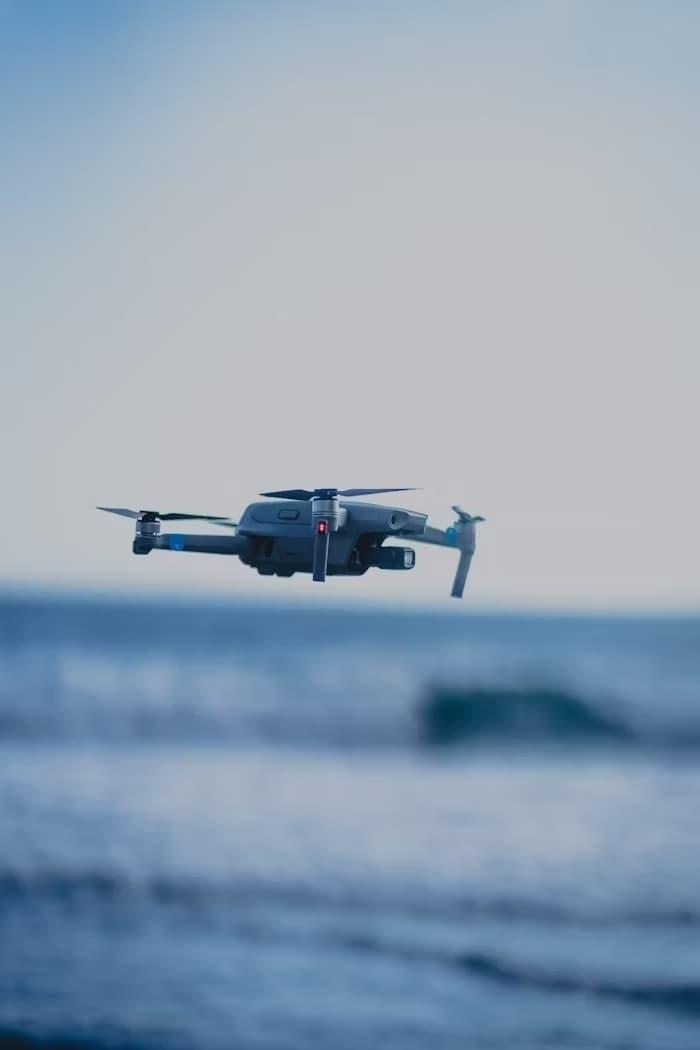
The positive impact of drone deer recovery extends beyond professional agencies. Private landowners, hunting lease managers, and recreational hunters are now equipped with tools to promote ethical harvesting and facilitate management of their properties. With the proliferation of drone technology, these benefits are quickly becoming accessible even in rural and remote regions, democratizing conservation practices and strengthening the social contract between humans and nature.
Technological Innovations in Drone Wildlife Recovery
Recent advancements have made drone deer recovery even more effective. Today’s drones may include features such as:
- Automated Flight Paths: Pre-programmed routes ensure thorough coverage of specified areas, reducing human error and maximizing search accuracy.
- Real-time Video Streaming: Immediate feedback lets ground teams make quick decisions, drastically cutting recovery time.
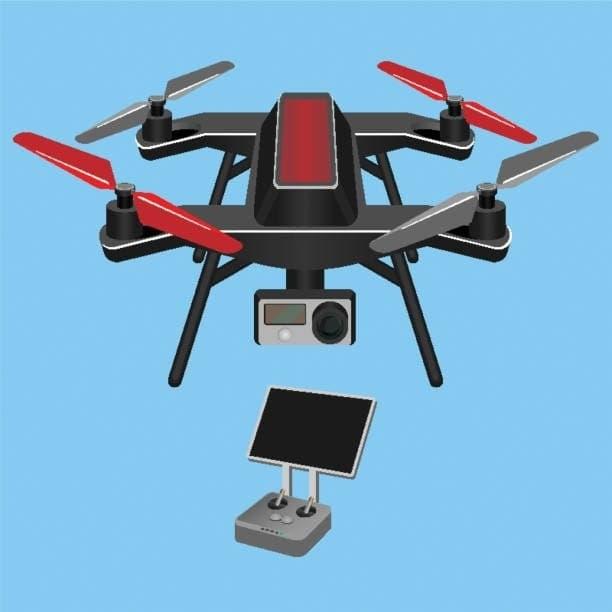
- High-Definition & Thermal Cameras: Detecting body heat enables precise location even in thick underbrush or during twilight hours.
- Obstacle Avoidance Systems: These safeguard both the device and wildlife, ensuring safe operation over rugged landscapes.
Furthermore, data collected via drone deer recovery is regularly integrated into GIS mapping systems and shared with conservationists, ensuring transparent and data-driven wildlife management decisions. This synergy between fieldwork and data science marks a new era of intelligent land stewardship.
Legal and Ethical Considerations
Drone regulations vary depending on jurisdiction, making it imperative for anyone utilizing drone deer recovery to acquaint themselves with local laws. Permits may be required for hunting-related drone use, and certain protected lands may prohibit any unmanned aerial activity. In all cases, prioritizing animal welfare, minimizing disturbance, and respecting privacy are core ethical principles guiding the use of drones for wildlife recovery. Organizations such as the FAA or local equivalents publish up-to-date guidelines on approved drone operations. Following such regulations not only keeps users safe and compliant but also preserves the reputation of this emerging practice.
Integrating Drone Deer Recovery into Conservation Strategies
Wildlife conservation is a multidimensional challenge requiring collaboration between stakeholders. Drone deer recovery adds a technological advantage in this partnership, filling critical data gaps and improving field operations.
- Population Assessments: By surveying large areas efficiently, drones provide comprehensive counts of deer herds, contributing to more accurate population estimates.
- Migration Tracking: Seasonal movements, especially in elusive environments, can be observed with minimal intervention thanks to drone flights, supporting habitat preservation efforts.
- Disease Control: Rapid detection of unusual mortality or behavioral changes assists in early intervention during outbreaks of Chronic Wasting Disease or similar threats.
- Habitat Evaluation: Aerial imagery helps map vegetation health, water sources, and available cover, informing habitat restoration projects and land-use planning.
Blending traditional fieldwork with drone-based surveys creates a feedback loop of learning and adaptation. Conservationists use these insights to advocate for smarter policies, targeting regions most in need of support and refining management practices as new challenges emerge.
Future Prospects of Drone-Assisted Deer Recovery
The future of drone deer recovery holds promise for greater autonomy, integration with artificial intelligence, and even improved public engagement. AI-powered image recognition is already filtering camera feeds to highlight animal shapes and flag anomalies for immediate review. Crowdsourcing and open-access data repositories mean citizens and researchers can contribute to, and benefit from, a growing pool of wildlife observations. As battery lifespans increase and payloads expand, drones will conduct longer missions, collecting even richer ecological data for years to come.
Conclusion
Drone deer recovery is at the intersection of technology and tradition. By melting boundaries between human intuition and machine precision, this approach ensures more humane and effective wildlife monitoring, upholds ethical standards in hunting, and supplies conservationists with real-time analytics. As regulatory frameworks solidify and public awareness grows, drones stand poised to become an invaluable asset for everyone invested in the future of wild deer and their habitats.
Frequently Asked Questions
- Is drone deer recovery legal everywhere?
- The legality of using drones for deer recovery varies by region. Check local and federal regulations before deploying a drone for wildlife tracking, as some areas may have strict rules or require permits.
- Can drones scare or harm wildlife?
- When operated responsibly, drones cause less disturbance than traditional search methods. Avoid flying drones too closely or for extended periods to minimize stress on animals.
- Do I need special equipment for drone deer recovery?
- Thermal imaging or infrared cameras significantly enhance the efficiency of drone deer recovery, especially in low-visibility environments. Hobby-grade drones without these features may not be effective for wildlife recovery tasks.