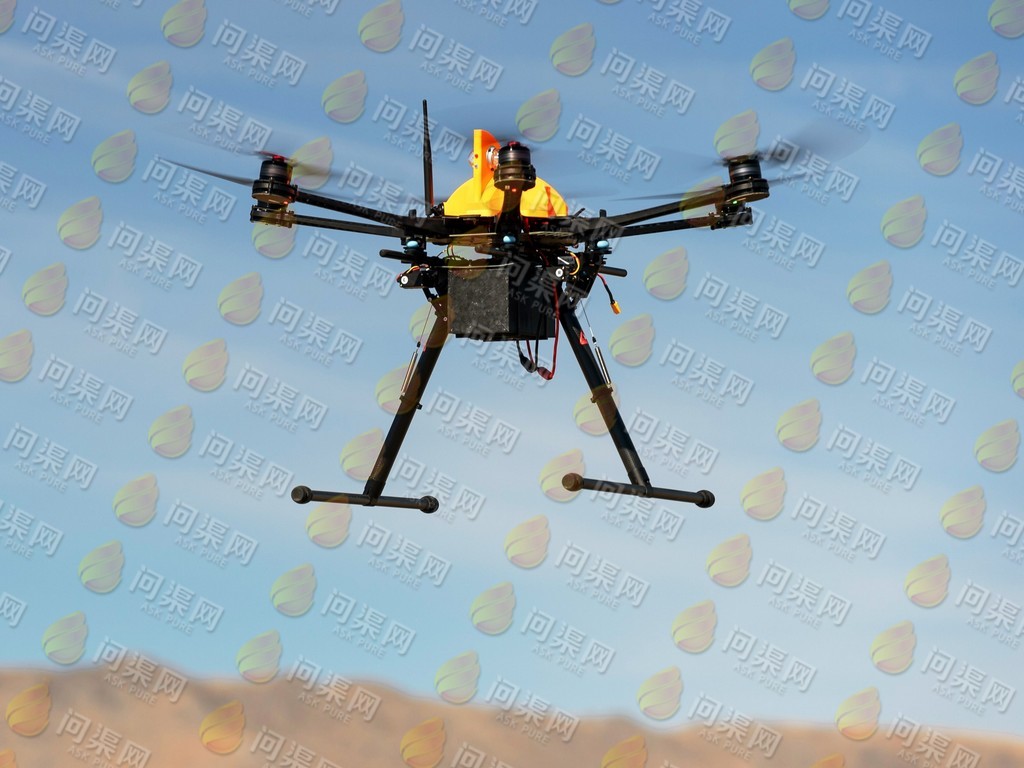
Flying a drone has become a popular activity, whether for professional photography or just recreational enjoyment. However, as the popularity of drones rises, so do the regulations associated with drone usage. People often ask, “do you need a permit to fly a drone?” This question is not just relevant but crucial for anyone intending to take their drone to the skies.
Understanding Drone Regulations
Drones, technically known as unmanned aerial vehicles (UAVs), are subject to various laws depending on the region. In the United States, the Federal Aviation Administration (FAA) regulates drone operations. Any drone weighing over 0.55 pounds that is used for recreational purposes must be registered with the FAA. If you’re flying a drone for commercial purposes, you will need to adhere to stricter regulations.
Recreational Flying and Permits
Recreational drone flying is relatively straightforward, but it still demands a level of compliance. Registration is mandatory, and you must follow community-based safety guidelines. This might include steering clear of certain restricted zones like airports or government buildings. No specific permit is needed for recreational use, provided that you adhere to the guidelines.
Commercial Drone Use
If you’re using your drone to earn money — whether it’s for photography, agriculture, surveying, or any other industry — then you need to follow Part 107 rules by the FAA. This requires a Remote Pilot Certificate, obtained by passing an aeronautical knowledge test. Commercial drone pilots must also keep their drones below 400 feet and maintain a visual line of sight.
Exceptions and Special Permits
While most drone operations fall within these basic categories, there are exceptions where special permits might be needed. For instance, if you plan to fly a drone over people or beyond the visual line of sight, additional waivers and permits are necessary. The FAA provides options for these scenarios, but applications must be submitted proving the safety and necessity of the operations.
The Importance of Knowing Local Laws
Drone laws vary not only from country to country but also within regions of the same country. Local governments might have ordinances that require specific permits or restrict flying altogether. Checking regional rules is essential before flying your drone. You can often find this information on the local government’s website or by contacting local authorities directly.
Technological Considerations
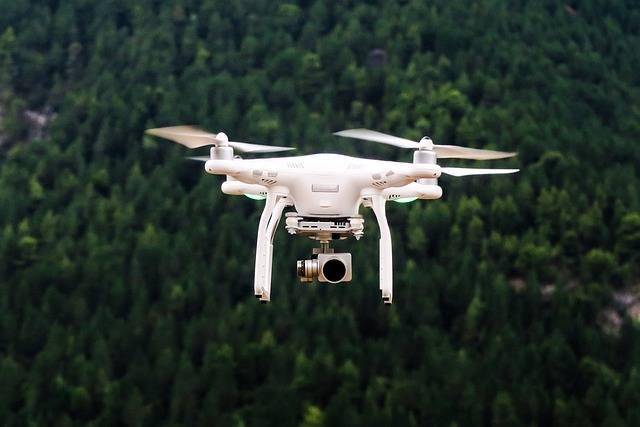
Modern drones are equipped with technology aimed at avoiding legal missteps. Many drones have geo-fencing capabilities that prevent them from flying into restricted airspace. Staying updated with the latest technology can be a proactive step in ensuring compliance with national and local laws.
Common FAQs
- Can I fly my drone at night?
You may fly during daylight hours unless you obtain a nighttime waiver — this is predominantly for commercial operators under Part 107 rules.
- What’s the maximum altitude for flying a drone?
Drones must generally not exceed 400 feet above ground level unless specific airspace authority is granted.
- Do I need insurance for my drone?
While not legally mandated, insurance is highly recommended, especially for commercial use. It covers liability in case of accidents or damages.