
Essential Steps for a Secure Drone Registry: How to Register Your Drone Legally & Easily
With the surge in popularity of unmanned aerial vehicles, popularly known as drones, governments worldwide have instituted drone registry procedures to ensure public safety and accountability. Registering your drone is not only a legal requirement in many jurisdictions, but it also offers numerous benefits for drone enthusiasts and commercial operators. In this comprehensive guide, we walk you through every aspect of the drone registry process, explore its necessity, and offer practical tips to simplify your experience.
What is a Drone Registry?
The term “drone registry” refers to an official database where drone owners provide details about their unmanned aircraft systems. The intention is to maintain oversight, promote legal usage, and ensure traceability in case of accidents or incidents. In most countries, both recreational and commercial drones above a certain weight threshold must be registered with relevant aviation authorities, such as the FAA (Federal Aviation Administration) in the United States.
Why Register Your Drone?
- Legal Compliance: Laws mandate drone registration to ensure public safety and national security.
- Protection & Accountability: In case your drone is lost or involved in an incident, registry information assists authorities in taking proper action.
- Access to Regulated Airspace: Many airspaces require proof of registry for flight permissions.
- Peace of Mind: Flying a registered drone eliminates the stress of hefty fines or legal repercussions.
Step-by-Step Guide to Drone Registration
- Understand the Regulations: Before beginning the drone registry process, research local and national guidelines. For example, the FAA requires all drones between 0.55 and 55 pounds to be registered if flying outdoors for hobby or business purposes.
- Create an Account: Visit your national aviation authority’s official site. In the US, users go to FAA’s DroneZone to initiate the process.
- Prepare Documentation:
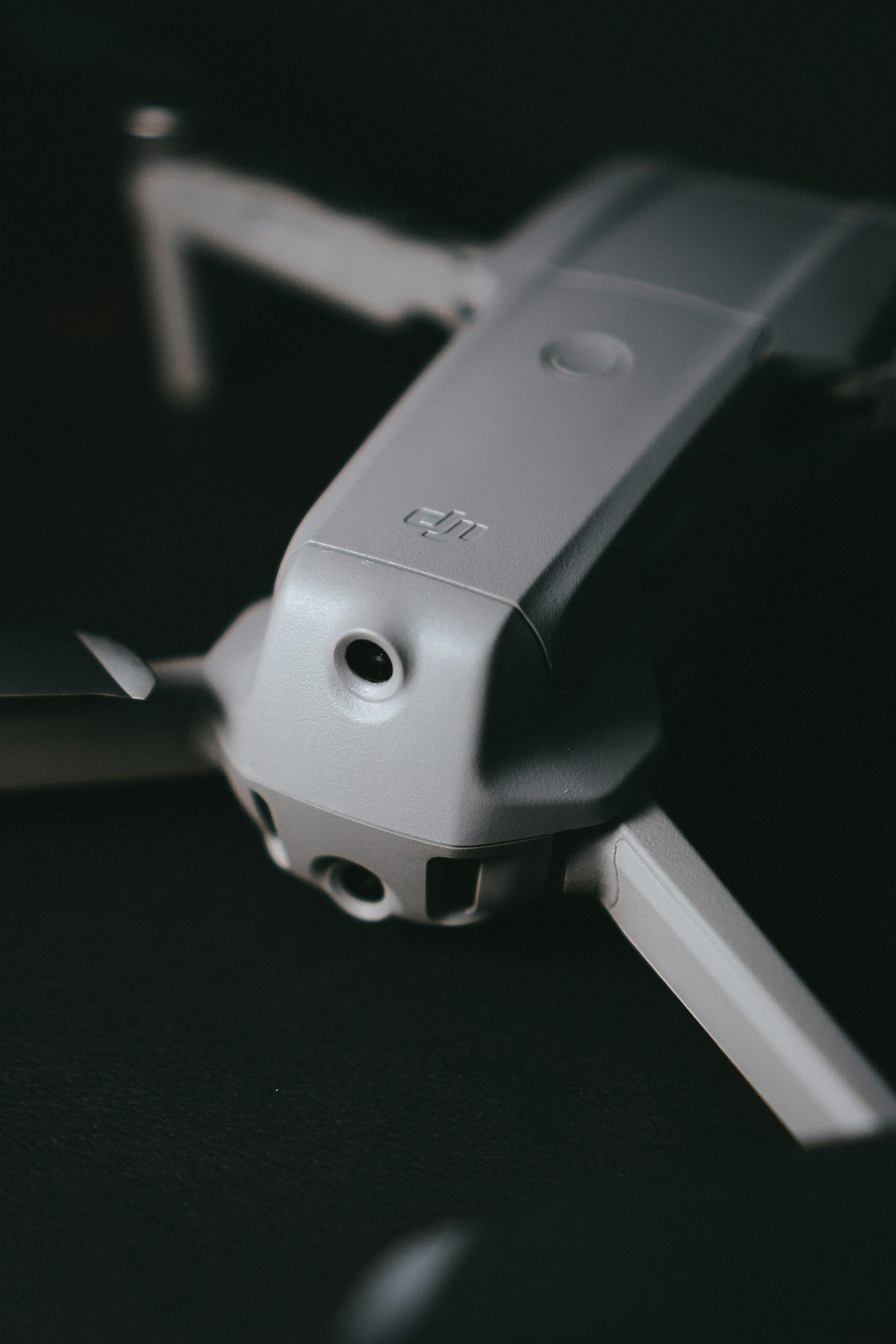 You’ll need proof of identity, address, and details of your drone including its make, model, and serial number. Having this information at hand streamlines registration.
 - Pay Registration Fee: Most drone registries require a nominal fee. It covers administrative costs and maintenance of the registry database.
- Receive Registration Number: Once your application is approved, you will get a unique drone registration number. This number must be visibly affixed to your drone, usually on the outside of the device.
- Adhere to Operational Rules:
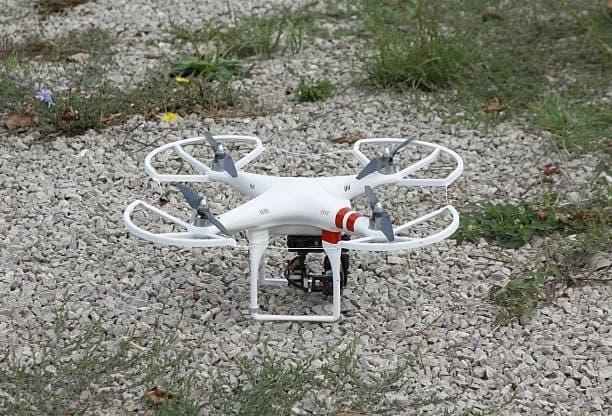 After registration, ensure compliance with drone operational guidelines—flight restrictions, altitude limits, privacy laws, and geofencing requirements.
Common Issues with Drone Registry and How to Avoid Them
- Incomplete or Incorrect Information: Double-check your entries to prevent delays or rejections.
- Unregistered Drones: Flying unregistered drones can lead to hefty fines; always ensure your drone is recorded before operation.
- Lack of Awareness: Stay informed about registration renewal times and any regulatory changes affecting drone usage.
Registering Commercial vs Recreational Drones
Rules differ depending on whether your drone is for personal enjoyment or business. Commercial pilots often require additional certifications or insurance. Recreational users may need only basic registration, but both categories demand respect for airspace regulations. In several countries, commercial drone users must undergo extra training and provide detailed operational records at registration.
Benefits of Drone Registry Systems
Drone registry systems offer a safeguard against misuse, support swift recovery if lost or stolen, and facilitate real-time traffic management for authorities. They also streamline the drone insurance process, as many providers require a valid registry number for coverage.
Recent Legislative Changes in Drone Registration
Drone registry rules are evolving quickly. Increasingly, governments require digital identification, geographical tagging, and remote ID compliance. These changes aim to integrate drones safely into shared airspace, reflecting technological advances and heightened privacy concerns.
How to Affix Your Registration Number
After acquiring your unique registry number, make sure it is legible and placed externally on your drone. Use waterproof labels or indelible marker ink, ensuring the number remains visible during flight and weather exposure.
Tips for Smooth Drone Registration
- Read official guidelines thoroughly.
- Check drone weight to understand which rules apply.
- Gather all personal and drone-related documents before starting online registration.
- Regularly check for registration renewal dates and operational updates.
- If uncertain, consult customer support or official aviation forums.
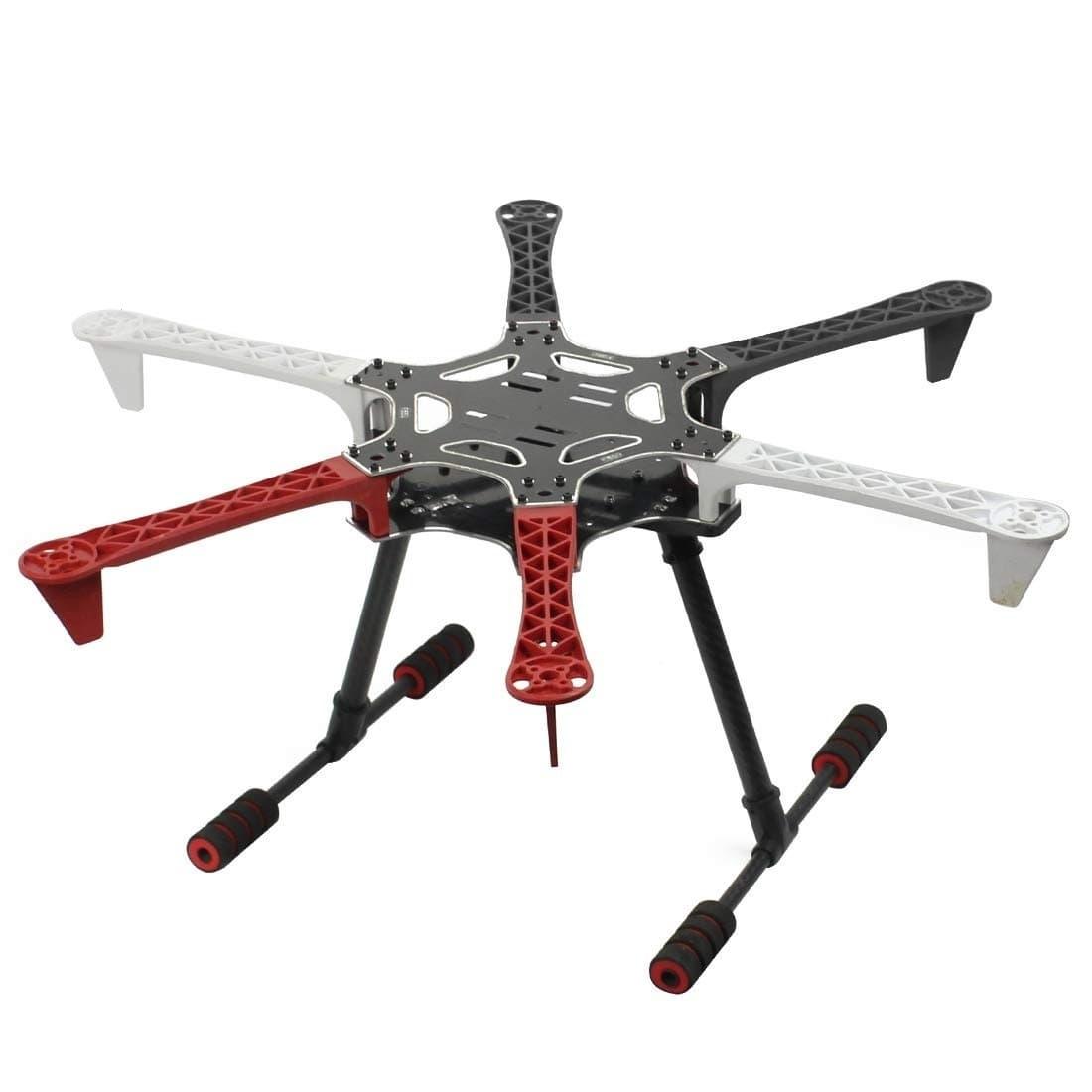
Staying up-to-date with drone registry protocols is critical for legal flying and community safety. The registration process, while straightforward, requires diligence and attention to accurate data entry. By following these steps, you ensure your drone operations remain compliant and secure.
FAQs About Drone Registry
- Do I need to register my drone if it weighs less than 250 grams?
- In most cases, drones under 250g are exempt from registration for recreational use. Always check current rules for your country as laws change frequently.
- Can foreign tourists register their drones for temporary use?
- Some countries offer temporary registration for foreign pilots. Consult local authorities for specific requirements and documentation needed.
- What happens if I fly my drone without registration?
- Operating unregistered drones can result in fines, confiscation, or even criminal prosecution. Always ensure compliance before flying.