
Unlocking the Potential of Drone Spraying in Agriculture
In recent years, drone spraying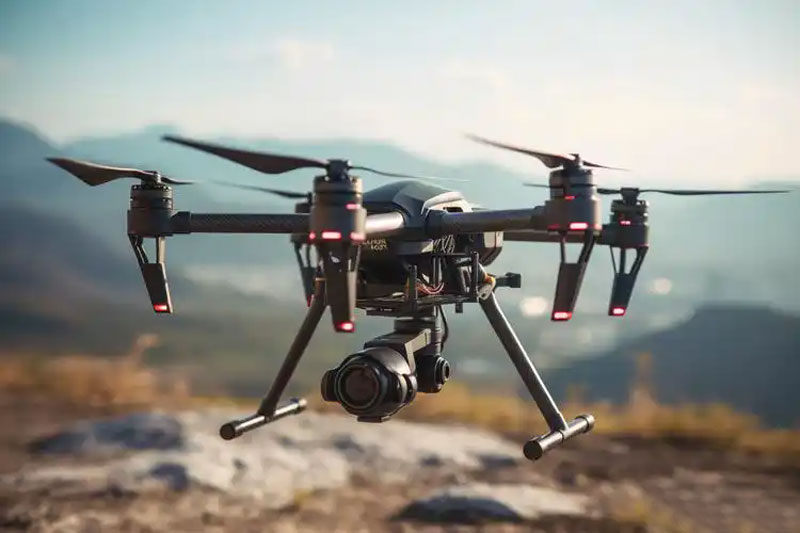 has emerged as a revolutionary technique in the agricultural sector, offering precision, efficiency, and environmental benefits. This innovative approach to crop management allows farmers to apply pesticides and fertilizers with unmatched accuracy, thereby enhancing crop yields and ensuring sustainable farming practices.
Advantages of Drone Spraying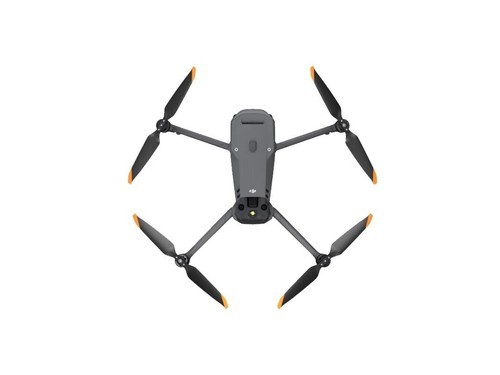
Drone spraying technology provides agriculturalists with several distinct advantages. First, drones can easily navigate difficult terrains and operate in areas where traditional machinery might struggle. This ensures that crops in challenging environments receive adequate treatment. Additionally, drones equipped with GPS technology offer pinpoint precision in spraying applications, reducing waste and minimizing harm to beneficial insects or neighboring fields.
Drones are also vastly more efficient than conventional methods. Traditional spraying techniques, such as those using tractors or handheld devices, are time-consuming and labor-intensive. Drones, by contrast, complete the task in much less time, allowing farmers to manage large fields effectively without extensive manpower.
The Impact on Crop Yield
The precision of drone spraying directly correlates to improved crop yields. By administering exact doses of fertilizers or pesticides, drones ensure that every part of the field receives optimal treatment, leading to healthier plants and increased productivity. Farmers have reported yield improvements ranging from 10% to 20% due to the adoption of drone spraying techniques.
Moreover, this method significantly reduces the risk of crop damage caused by over-application or uneven distribution of chemicals. In cases where crops show potential for growth but suffer from pest infestations or nutrient deficiencies, drones provide a targeted solution, fostering robust plant development.
Environmental Considerations
Drone spraying is not just beneficial for farmers but also for the environment. The precision of drones minimizes chemical runoff, which often contaminates water sources and harms aquatic life. By using drones, farmers can adhere more closely to environmental regulations and promote eco-friendly practices. Further, drones can be programmed to avoid spraying near sensitive ecological areas, such as wetlands or natural preserves.
Technological Advancements
The technological landscape of drone spraying continues to evolve rapidly. Today’s drones come equipped with various sensors and cameras, providing real-time data on crop health and soil conditions. This information helps farmers make informed decisions and tailor their spraying strategies to the specific needs of their crops.
Some advanced models even incorporate artificial intelligence and machine learning algorithms, which analyze data and suggest optimal spraying paths and quantities. This integration of AI into drone technology represents a significant leap towards achieving fully automated, precision agriculture.
Challenges and Considerations
Despite the numerous advantages, drone spraying also presents certain challenges. Legal regulations around drone usage may vary greatly from region to region, imposing restrictions that farmers must navigate. Furthermore, the initial investment in drone technology can be substantial, although the benefits tend to outweigh the costs over time.
Farmers should also consider the learning curve associated with operating drones. Proper training and understanding of the technology are vital to maximizing its benefits.
Conclusion
Drone spraying stands as a transformative force in modern agriculture, offering efficiency, precision, and environmental stewardship. With technology continually advancing, drones will undoubtedly play a larger role in sustainable farming practices, helping farmers enhance crop yields while protecting the planet.
FAQ
Q: How does drone spraying differ from traditional methods?
A: Drone spraying offers precision through GPS technology, reducing waste and minimizing environmental impact compared to traditional spraying methods.
Q: Can drone spraying be used on all types of crops?
A: Yes, drones are versatile and can be used on various crops, though adjustments to spraying techniques may be necessary for different plant types.
Q: Are there any regulations regarding drone spraying?
A: Yes, drone usage regulations can vary by region, so it’s important for farmers to familiarize themselves with local laws before implementing drone spraying strategies.