
Revolutionizing Surveillance with Advanced Thermal Drone Technology
As technology advances, surveillance capabilities are reaching unprecedented levels of efficiency. One of the most groundbreaking developments is the utilization of thermal drones. These ingenious devices use thermal imaging to detect heat signatures, allowing for enhanced surveillance in various conditions, including complete darkness. This feature makes them instrumental in search and rescue missions, wildlife monitoring, and security operations.
Thermal drones are equipped with cameras that translate heat into visible light, offering an unparalleled advantage in detecting living beings and warm objects amidst vast terrains. For security agencies and emergency responders, the ability to perform operations effectively without natural light is a game-changer.
Applications of Thermal Drone Technology
- Search and Rescue Missions: When traditional visibility is compromised due to smoke, fog, or nighttime conditions, thermal drones can pinpoint human presence by their heat emissions.
- Wildlife Monitoring: Environmentalists utilize thermal imaging to track animals, observe their behavior, and identify patterns that are otherwise obscured from typical cameras.
- Security & Surveillance: With increased accuracy, thermal drones can detect intruders or suspicious activities without alerting them, especially in areas with restricted light.
It’s vital to enhance your security measures by knowing how thermal drones work and the breadth of their applications. Among the most notable uses are the reduction in human risk during nighttime operations and the ability to cover larger areas in less time than conventional methods.
Advantages of Using Thermal Drones
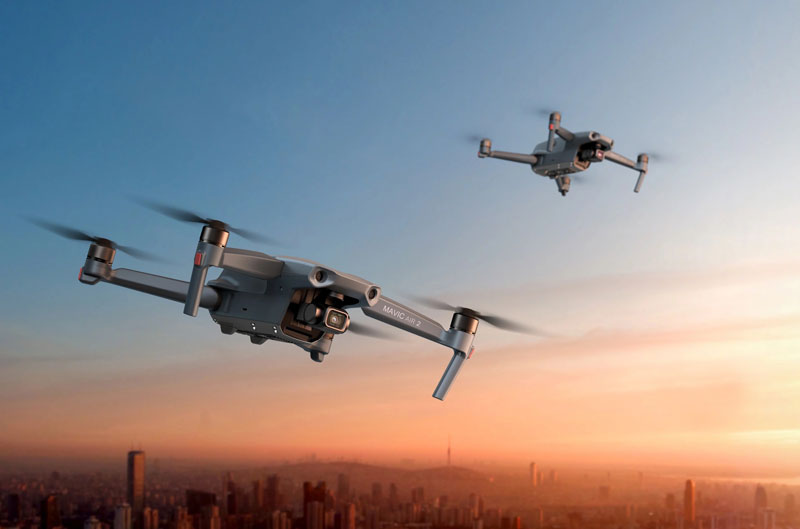
Firstly, thermal drones offer a comprehensive view of environments that would remain inaccessible visually. The technology relies on infrared radiation, which accurately maps heat variations. This becomes particularly useful in cold environments, where traditional drones may struggle to distinguish objects.
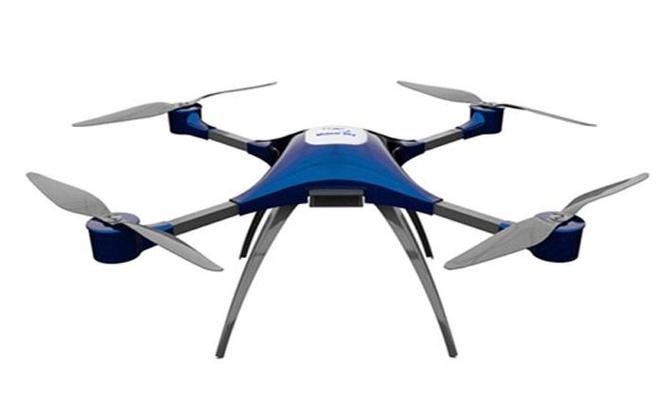
Emphasizing their applications in disaster recovery and firefighting operations, thermal drones can assist in identifying hotspots, directing personnel where efforts are most needed. Moreover, they can monitor the progression of fires or volcanic activities without risking human life.
Secondly, the package of software accompanying these drones ensures real-time data analysis. With cutting-edge algorithms, users can interpret thermal images efficiently, making informed decisions swiftly.
Optimizing Drone Surveillance for Maximum Efficiency
To garner the highest effectiveness from thermal drones, familiarity with their operation and regular software updates are essential. Training and practice are crucial in understanding how to deploy them for specific needs without compromising on data accuracy.
Finally, the adaptability of these drones in terms of altitude adjustments, steadiness in flight, and image resolution contributes significantly to superior surveillance outcomes. Coupled with advancements in AI, the future of thermal drones appears even more promising.
Common Questions about Thermal Drone Technology
Q1: How does thermal imaging differ from regular video?
A1: Unlike regular optical cameras that capture light, thermal imaging detects infrared radiation and converts it into visible images. It’s particularly effective in low-visibility environments.
Q2: Are thermal drones expensive?
A2: While they are priced higher than conventional drones due to advanced capabilities, the investment is often justified by the range of applications and enhanced functionality they provide.
Q3: Is training necessary to operate thermal drones effectively?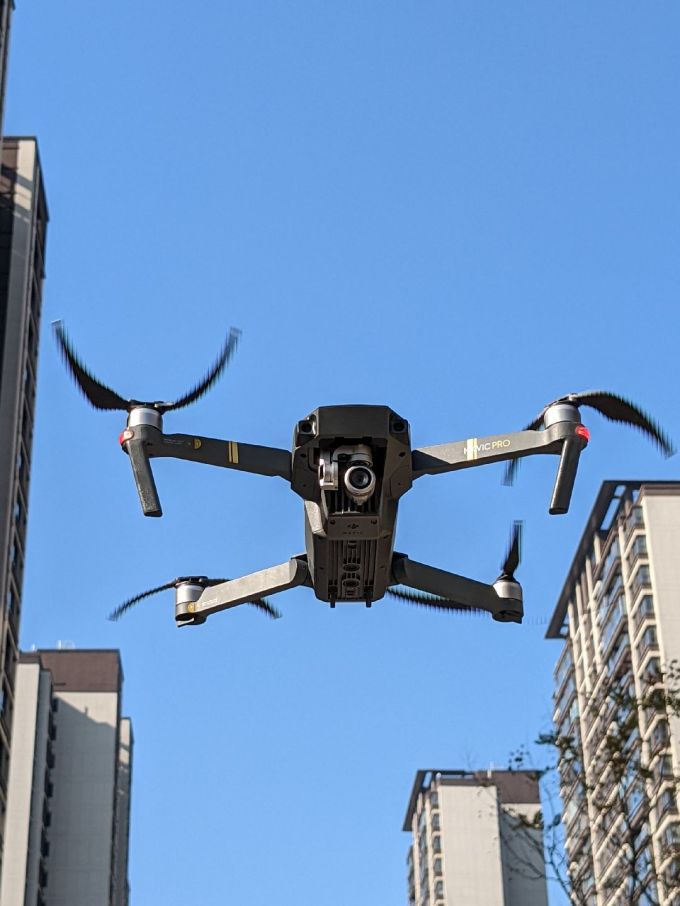
A3: Yes, training ensures operators understand the capabilities and limitations of these devices, leading to optimal deployment in required scenarios.