
Exploring Advances in Drone Security
The utilization of drones has surged across various sectors, making drone security a pivotal concern for businesses and governments alike. As these aerial devices become integral to operations ranging from cinematic production to agriculture, ensuring their safe and secure use is paramount. This article delves into current innovations and strategies enhancing drone security.
Current Challenges in Drone Technology
The rise in drone applications brings forth significant challenges, with privacy and unauthorized access being at the forefront. Drones equipped with cameras pose privacy concerns, especially in urban settings. Meanwhile, the risk of unlicensed operators gaining control or insights into sensitive drone operations underscores the necessity for robust security measures.
Technological Innovations Elevating Drone Safety
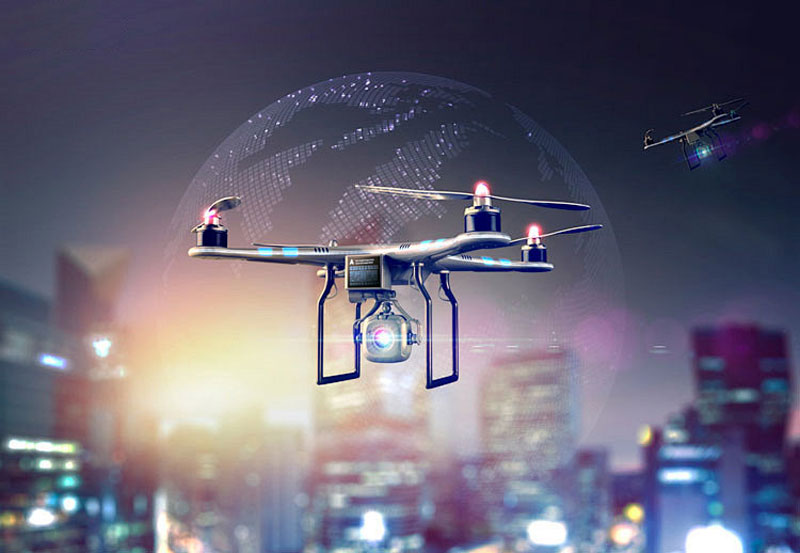
Recent technological advancements play a crucial role in bolstering drone security. Implementing geofencing systems is a vital step, allowing drones to be programmed to avoid restricted areas autonomously. This technology, coupled with real-time tracking, provides operators with enhanced control and safety. The development of anti-jamming devices and encrypted communication channels further fortifies operations against external threats. Moreover, advancements in AI offer predictive analytics, which empowers drones to anticipate potential threats or collisions, ensuring smoother flights.
Strategies for Operational Security
- Regular Security Audits: Conducting routine audits assesses vulnerabilities in drone systems, ensuring timely updates and patches.
- Operator Training: Comprehensive training programs equip operators with knowledge about security protocols and threat response methods.
- Compliance with Regulations: Adhering to regional and international drone regulations is crucial to maintaining operational integrity and minimizing legal risks.
Another essential strategy is fostering a culture of cybersecurity. Stakeholders should commit to ongoing education and adaptation of new security tools as threats evolve. Industry collaboration is encouraged to share insights, further enhancing the collective safety mechanisms.
Future Trends in Drone Security
As technology advances, so does the sophistication of drone security systems. Future trends suggest increased integration of Blockchain technology to secure data transactions and ownership records, providing an immutable layer of protection. The evolution of drone swarm technology also promises advancements in collective security measures, enabling drones to function collaboratively in detecting and responding to threats.
FAQs on Drone Security
What is geofencing in drones? Geofencing creates virtual boundaries, ensuring drones operate within designated zones and avoid restricted areas, enhancing safety.
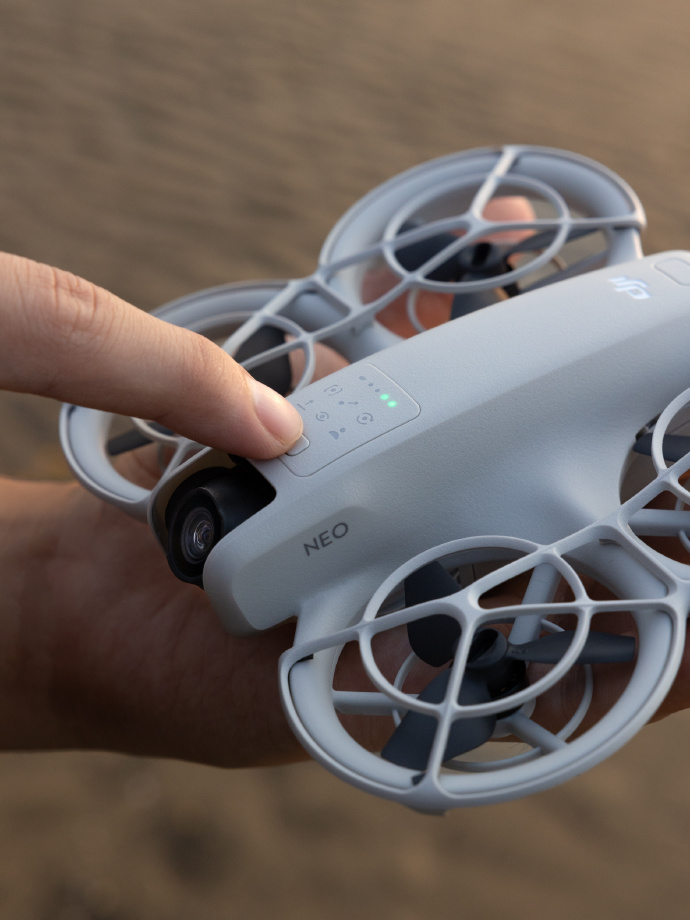
Why is operator training essential? Proper training ensures operators are aware of security protocols, reducing risks associated with human error or outdated practices.
How does AI improve drone security? AI provides predictive analytics, enabling drones to anticipate and mitigate risks, ensuring more secure flights.