.jpg?resize=1024,1024&ssl=1 "Explore Exciting Opportunities in the World of Drone Jobs")
Understanding Drone Jobs
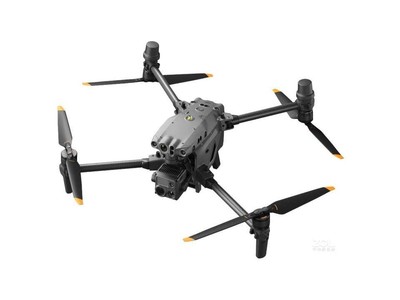
At its core, a drone job involves the operation, maintenance, and utilization of unmanned aerial vehicles (UAVs) for various purposes. These tasks can range from capturing stunning aerial views for film production to surveying agricultural lands for precision farming techniques. With advancements in technology, drones have become indispensable in fields such as real estate, environmental conservation, and disaster management.
Different Types of Drone Jobs
Drone photography and videography are among the most popular professions, offering breathtaking viewpoints that traditional cameras cannot achieve. The ability to shoot cinematic sequences has been embraced by filmmakers, advertising agencies, and event organizers, thus creating a robust market for drone pilots and photographers. Another significant domain is drone surveying and mapping, crucial for construction projects and geographical research. Utilizing drones in these sectors helps gather accurate data quickly, minimizing human error and enhancing efficiency.
Moreover, drones play a pivotal role in agriculture. They help farmers monitor crop health, optimize irrigation, and even plant seeds in vast fields, revolutionizing modern farming techniques and contributing to sustainability.
- Commercial Delivery Services
- Security Surveillance
- Inspection and Maintenance
With companies like Amazon experimenting with drone deliveries and security firms employing drones for surveillance, the possibilities in this career are virtually limitless. Inspection and maintenance jobs are becoming increasingly common, particularly in industries that involve large infrastructures, such as wind farms and oil rigs.
The Skills Required for Drone Jobs
The skills required for drone jobs can be diverse, depending on the specific demands of the position. At a minimum, operators must acquire a remote pilot certification from relevant authorities, ensuring they understand flight regulations and safety protocols. Additionally, skills in photography, video editing, data analysis, and technical maintenance are often essential.
For more advanced positions such as drone software developer or UAV engineer, a strong background in programming and electronics might be necessary.
Those interested in pursuing drone jobs should also be adaptable, considering the rapid evolution of technology and its application in various industries.
The Future of Drone Jobs
As drone technology continues to advance, the future of drone jobs shines brightly with new possibilities for innovation and career advancement. Many experts believe that drones will become even more integrated into everyday businesses, impacting logistics, healthcare, and even urban planning. This growth indicates a promising horizon for those seeking to enter this field.FAQs.jpg)
FAQs
- What industries use drones?
- Drones are utilized in film production, agriculture, real estate, environmental conservation, and more.
- Do I need certification for drone jobs?
- Yes, operators typically need remote pilot certification to ensure proper understanding of flight regulations.
- Are drone jobs well-paid?
- Compensation varies, but many drone jobs offer competitive salaries due to their specialized nature.
The world of drone jobs is rich with opportunity and potential for growth, encouraging innovation across multiple sectors.