
Flying Cars and Drones: The Future of Transportation
The buzz around flying car drone technology is growing as companies worldwide race to define the future of transportation. This innovation promises to transform how we commute, delivering speed, efficiency, and excitement. Both flying car and drone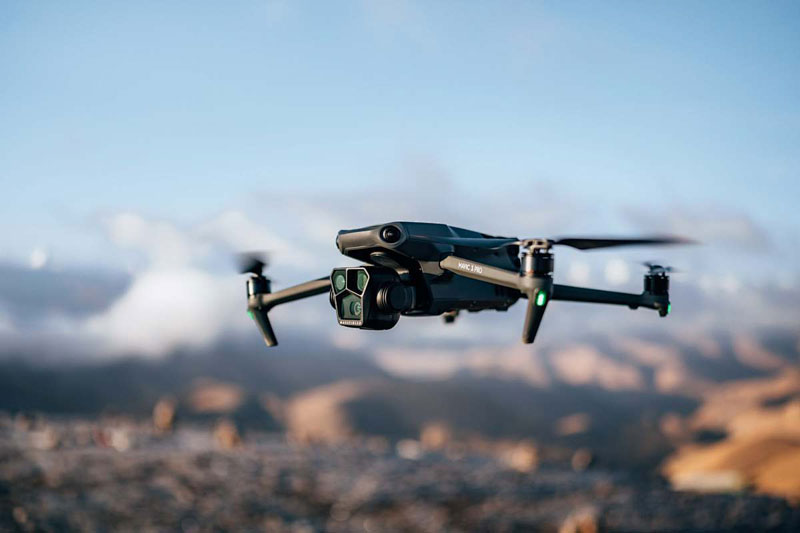 technologies are merging to create an ecosystem where the sky is no longer the limit. By examining the history, current developments, and anticipated future, we can gauge the profound impact these vehicles will have.
Historical Context
While flying cars have been a part of science fiction for decades, the integration of drone technology has helped turn fiction into reality. Drones, initially used in military and recreational activities, have seen a surge in commercial use, capitalizing on their ability to navigate areas traditionally hard to reach. As drone technology advances, its principles are being applied to create viable flying cars, pushing the boundaries of possibility.
Current Innovations
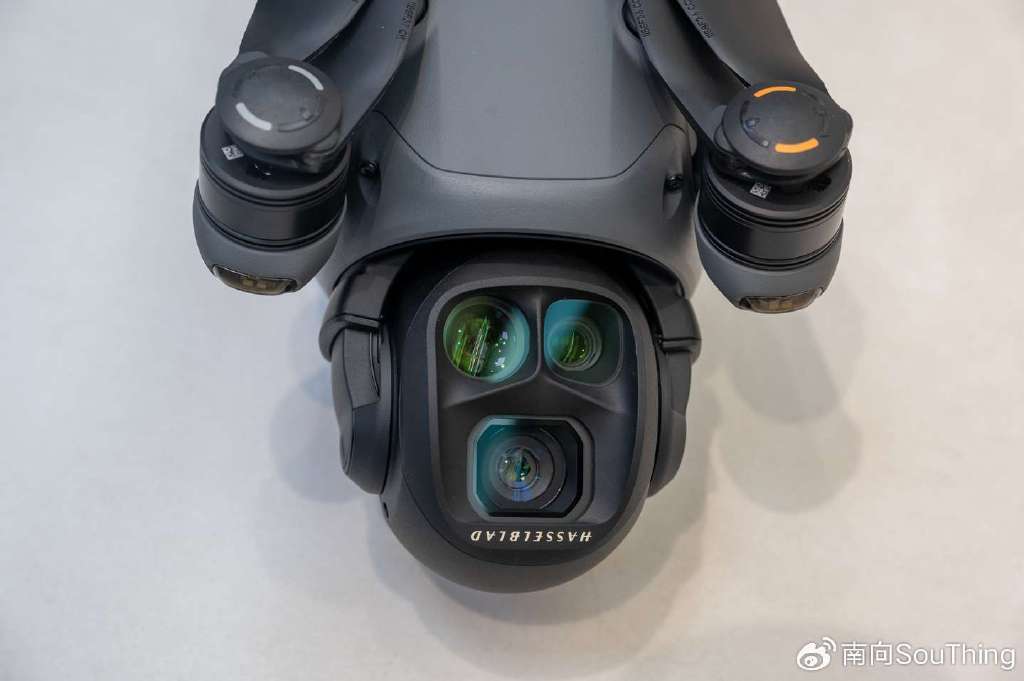
Today, companies like Uber and Airbus are investing heavily in flying car technology. These vehicles, often referred to as VTOL (Vertical Take-Off and Landing), combine aviation and automobile principles. Equipped with rotor blades similar to drones, they offer swift takeoffs and landings. For instance, the AeroMobil promises to bring sophistication with its sleek design, functioning both as a car and an aircraft. Exploring drone advances, we see improvements in battery life, GPS navigation, and collision avoidance, directly influencing flying car designs.
Technological Impacts
These advancements pave the way for a revolution in urban mobility. Imagine reduced congestion, quicker commutes, and the prospect of eco-friendly travel. As these flying cars and drones utilize electric propulsion systems, they present a sustainable alternative to traditional vehicles, minimizing the carbon footprint. However, challenges remain, particularly regarding regulations and safety standards. Efforts are under way to create efficient air traffic management systems to prevent mid-air collisions, paramount to the widespread adoption of these machines.
Future Prospects
The future looks promising for flying car drone collaborations. With enhancements in AI, autonomous navigation capabilities are expected to improve, ensuring safer travel. Public perception is gradually shifting as technological demonstrations become more frequent. The promise isn’t just confined to commuting; think of how logistics and emergency services can leverage flying cars for time-sensitive tasks.
FAQs
How far away are flying cars from being commonplace?
While prototypes exist, mainstream use will depend on regulatory changes and public acceptance. Analysts predict widespread adoption could arrive in 5 to 10 years.
Will flying cars be affordable?
Initially, costs may be high, similar to early electric cars. However, as technology advances and production scales, prices are expected to decrease.
Will flying cars replace traditional vehicles?
It’s unlikely they will completely replace traditional cars; instead, they’ll complement them by offering new capabilities and reducing urban congestion.
Overall, flying car drone technology signifies a step towards revolutionary transportation, promising a new era of mobility driven by innovation and sustainability.