
Unleashing Agricultural Potential with Drones and Multispectral Cameras
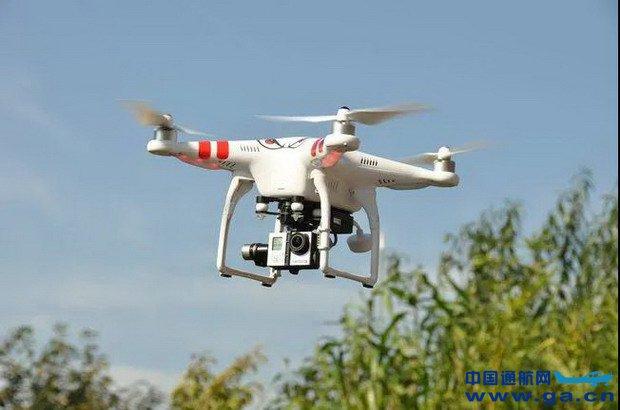
In recent years, drones equipped with multispectral cameras have emerged as transformative tools in agriculture. These advanced devices offer farmers unprecedented capabilities in monitoring and managing their crops and fields. By providing detailed insights into various aspects of plant health, drones with multispectral technology are revolutionizing the way agriculture is practiced worldwide. This technological advancement integrates several bands of light beyond the visible spectrum, enabling precise analysis that contributes to enhanced crop management. Integrating drones in agricultural processes allows for real-time data collection and analysis, bringing multiple benefits to farmers eager to optimize their yields.
The primary impact of drones with multispectral cameras lies in their ability to measure additional wavelengths that are not visible to the human eye. This feature is particularly significant for detecting variables related to chlorophyll concentration, which directly affects plant health. Farmers can utilitize this spectral information to discern areas of a field that may require additional fertilizer or water, making resource allocation more efficient. Also, the use of multispectral data allows farmers to detect early signs of pest infestation or plant disease, enabling them to address these issues before they become widespread problems.
Another key benefit of employing drones is the efficiency with which farmers can monitor large expanses of farmland. Traditional methods can be labor-intensive and time-consuming, whereas drones accomplish the same tasks faster and with greater accuracy. The high-resolution images captured by multispectral cameras offer a comprehensive view of the fields, helping farmers identify patterns and make informed decisions about resource management and crop care.
Enhancing Precision Agriculture
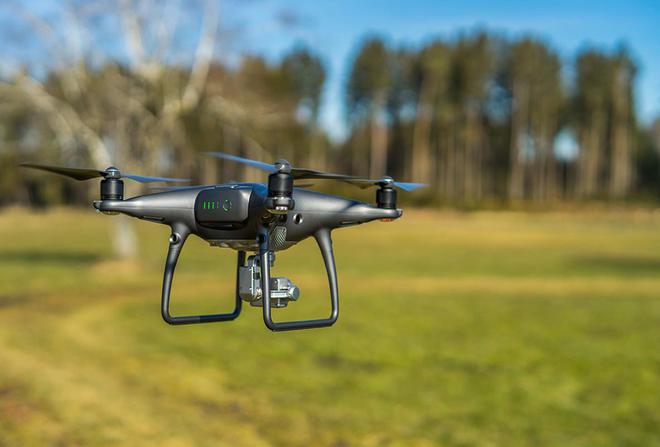
With the integration of drones in precision agriculture, farmers can now perform what was once tedious manual tasks, such as mapping fields and assessing crop health, using advanced technology. These drones offer a bird’s eye view, collecting extensive data that traditional ground methods cannot replicate. By leveraging this information, farmers can develop strategies that improve yield and efficiency, ensuring a sustainable approach to farming. Precision agriculture not only contributes to optimizing inputs but also to fostering environmentally friendly farming practices.
As drones become more commonplace in agriculture, their role in promoting sustainability becomes further underscored. Using multispectral cameras to monitor crop conditions enables a targeted approach to using pesticides and fertilizers, reducing excess and minimizing environmental impact. Sustainable farming practices are critical in today’s agricultural landscape, where resource constraints and environmental considerations are paramount. Drones thus present a modern solution to the enduring challenges faced by farmers worldwide.