
FPV drones, known as First Person View drones, have brought a revolution in the realm of aerial cinematography and more. These innovative devices allow users to experience flight from the drone’s perspective, thanks to an onboard camera that transmits real-time video. But what is an FPV drone exactly, and how does it work? Let’s embark on a comprehensive exploration of FPV drone technology, unraveling its potential and wide-ranging applications.
Understanding FPV Drones: The Basics
FPV drones enable pilots to view exactly what the drone sees in the sky, usually through special FPV goggles or a screen. This direct video feed offers an immersive flying experience, closely aligning with that of operating a traditional aircraft, albeit remotely. Unlike standard drones, the FPV ones are optimized for speed, agility, and precision which makes them perfect for aerial cinematography and racing.
How FPV Drones Work
Central to the operation of FPV drones is the transmission system which includes a camera, a video transmitter, a receiver, and a display device. The camera mounted on the drone captures the live view, while the transmitter sends this data to the pilot’s goggles or monitor. FPV technology is often coupled with sensitive controllers for intricate maneuvering, allowing drones to perform stunning aerial stunts and capture dynamic footage with unprecedented detail.
The Cinematic Advantage of FPV Drones
FPV drones have significantly impacted video production by providing filmmakers with unique angles and perspectives previously unattainable. Their ability to fly through tight spaces, swiftly change directions, and capture fluid motion sequences without interruption is unparalleled. For action sports filmmakers and event videographers, FPV drones represent a vital tool to craft captivating narratives and have changed the landscape of cinematography forever.
Applications Beyond Filmmaking
While FPV drones are prevalent in aerial cinematography, their use extends into multiple domains. FPV drone racing has emerged as a thrilling sport, drawing large audiences and competitors driven by adrenaline. Additionally, the ability to navigate complex environments makes FPV drones suitable for search and rescue missions, agricultural monitoring, and environmental surveillance. This versatility underscores the influential role FPV drones play in modern technology.
Challenges and Considerations
Flying FPV drones requires skill and practice, especially given their speed and responsiveness. Beginners must invest time in training to master control. Moreover, regulatory considerations cannot be overlooked as racing or filming might require permissions and adherence to drone laws in various regions.
Battery life, signal interference, and maintaining the drone’s structural integrity at high speeds are other factors demanding attention.
Choosing the Right FPV Drone
When selecting an FPV drone, consider your application and budget. Entry-level models offer simplicity and affordability for learners, while advanced drones boast high-resolution cameras and superior flight capabilities ideal for professionals. The flight duration, camera quality, and ease of controls are significant factors that will influence your choice.
Advancements and Future of FPV Drone Technology
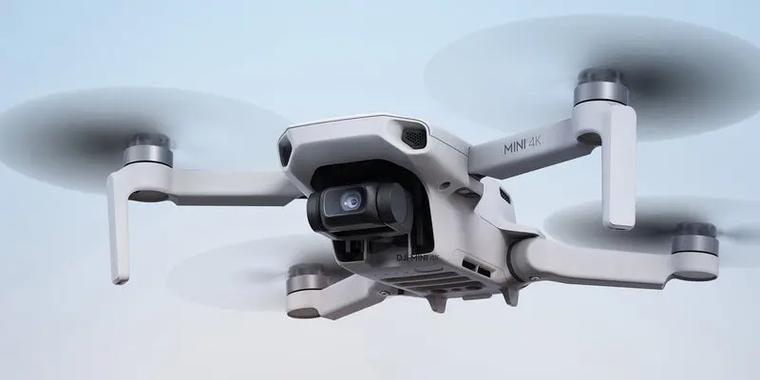
With continuous advancements in technology, FPV drones are evolving with features like enhanced stabilization, 4K video quality, and adaptable frame structures for durability. The future of FPV drones predicts even more improvements, potentially including AI-driven navigation systems and integrations with virtual and augmented reality for further immersive experiences.
Frequently Asked Questions
Are FPV drones suitable for beginners?
Yes, there are FPV drones designed specifically for beginners that come with user-friendly controls and training modes.
How far can FPV drones travel?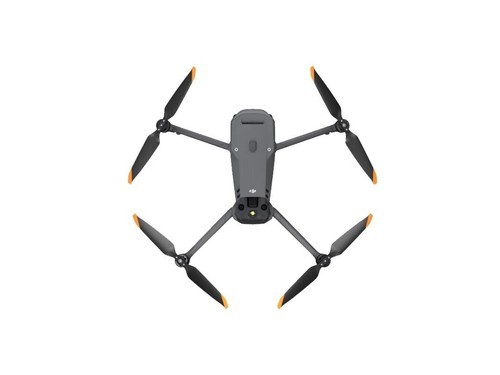
The range varies depending on the drone model and its transmitter capabilities, but many drones can operate efficiently over several kilometers.
Do FPV drones need to adhere to specific regulations?
Indeed, drone pilots must comply with aviation regulations which can include restrictions on altitude and no-fly zones.