
What Makes Jet Drones Stand Out?
One of the hallmarks of jet drones is their propulsion system. Unlike conventional drones that rely on battery-powered rotors, jet drones utilize jet engines, much like those found in aircraft. This enables them to achieve remarkable speeds and altitudes, thus broadening their scope of application. Moreover, jet drones are designed with aerodynamic bodies that minimize drag, allowing for longer flight durations and enhanced fuel efficiency.
Another defining feature is the materials used in their construction. Jet drones often employ lightweight yet durable composites that can withstand high speeds and variable weather conditions. These materials also contribute to their agility, allowing them to perform complex maneuvers with precision. Whether used for commercial purposes or military operations, the sturdiness and reliability of jet drones make them invaluable.
Applications in Various Sectors
The versatility of jet drones extends to numerous fields. In the logistics industry, they offer a faster alternative for delivering goods, especially in remote or hard-to-access areas. Companies are leveraging this technology to streamline supply chains and improve delivery times. In tactical operations, the speed and real-time data capabilities of jet drones enhance surveillance and reconnaissance missions, providing critical insights with reduced risk.
Impact on Environmental Monitoring
Jet drones are also advancing environmental research. Equipped with sophisticated sensors, they can cover expansive areas rapidly, collecting valuable data on wildlife or atmospheric conditions. Scientists use this information to monitor climate change, track animal populations, and assess natural disasters. By achieving greater altitudes and wider coverage, jet drones can perform tasks previously deemed challenging for traditional drones.
What Lies Ahead?
The future of jet drone technology is filled with possibilities. With ongoing advancements in AI and machine learning, these drones are set to become even smarter, capable of autonomous decision-making and enhanced navigation. Innovations in fuel technologies may also reduce environmental impact, making them more sustainable. As regulation becomes more pronounced and public interest grows, we can expect the integration of jet drones into everyday life and commercial industries.
Frequently Asked Questions
Are jet drones safe to use?
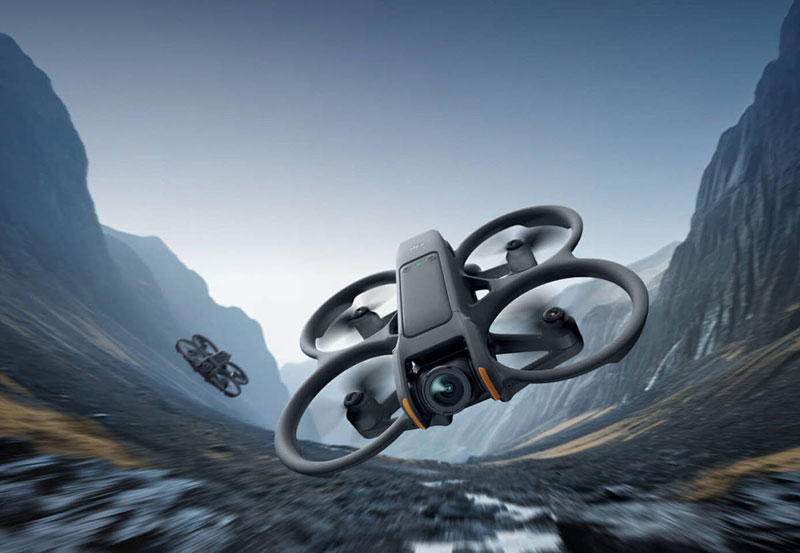
Yes, jet drones are designed with multiple safety features and are thoroughly tested under various conditions. However, as with any aerial technology, they require skilled operation and adherence to safety guidelines.
How fast can jet drones fly?
Jet drones can reach speeds exceeding 200 mph, depending on the model and design specifics. Their ability to achieve high speeds is a key advantage over conventional drones.
Can jet drones be used in adverse weather conditions?
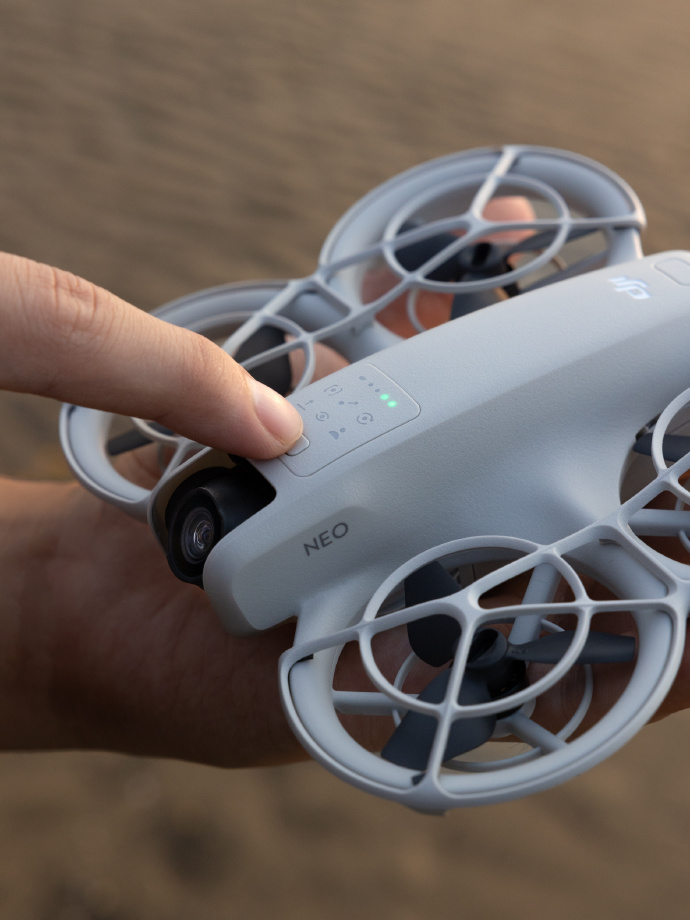
Many jet drones are equipped to handle different weather conditions, but it always depends on the design and intended use. Some models are specifically built to withstand harsh environments.
As technology evolves, jet drones continue to redefine the boundaries of aerial innovation, offering new perspectives on efficiency, application, and sustainability across myriad sectors.