
Unmanned Aerial Vehicles (UAVs), commonly known as drones, are at the forefront of aerial innovation, profoundly transforming industries ranging from agriculture to entertainment. The advancements in UAV drone technology not only provide new opportunities for various sectors but also redefine the way tasks are performed efficiently and effectively. Let’s explore how these flying marvels are shaping our future.
Revolutionizing Industries with UAV Drones
Drones have become instrumental in modern agriculture, offering precision farming solutions that maximize yield while minimizing environmental impact. Equipped with sophisticated sensors, UAV drones can monitor crop health, manage irrigation, and even deploy pesticides with pinpoint accuracy.
Aerial Surveillance and Security
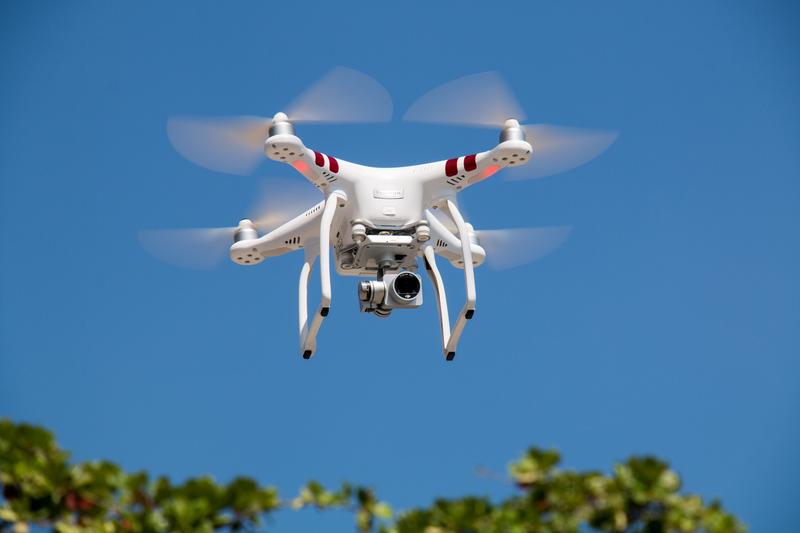
The versatility of UAV drones extends to the realms of surveillance and security. They’re used extensively for monitoring borders, ensuring safety at public events, and conducting search-and-rescue operations. Their ability to cover vast areas quickly makes them an invaluable tool for law enforcement and emergency services.
Delivery and Logistics: A New Era
With companies like Amazon and UPS investing heavily in drone technology, the future of delivery services is set to take to the skies. UAV drones offer the promise of rapid delivery times, reduced transportation costs, and improved access to remote areas.
- Urban deliveries: Quick transport of goods across cities.
- Rural access: Reach areas where traditional vehicles struggle.
- Reduced emissions: Environmentally friendly transport option.
Challenges and Advancements
Despite the numerous advantages, the widespread adoption of UAV drones faces challenges, including regulatory hurdles, privacy concerns, and technical constraints such as battery life and airspace management. Innovations continue to emerge, addressing these issues by developing longer-lasting batteries, improving AI for better autonomous navigation, and crafting policies that balance innovation with safety.
Advanced UAV drone systems are increasingly being designed to mitigate risks and ensure compliance with global aviation standards.
Innovative Applications on the Horizon
The potential applications of UAV drone technology seem limitless. From documenting wildlife and assisting in disaster management to future concepts like drone taxis, the creativity in their use finds new boundaries each day. Corporations and governments are continually investing in research to explore these burgeoning possibilities.
Moreover, the integration of drones with technologies such as the Internet of Things (IoT) and Artificial Intelligence (AI) proffers exciting prospects. Imagine a world where autonomous drones interact with smart cities, contributing to real-time data collection and analysis, thus enhancing urban living standards.
FAQs on UAV Drone Technology
A: Operating UAV drones requires adherence to aviation regulations, which vary by country. It’s essential to obtain the necessary permits and follow flight restrictions, particularly in populated areas.
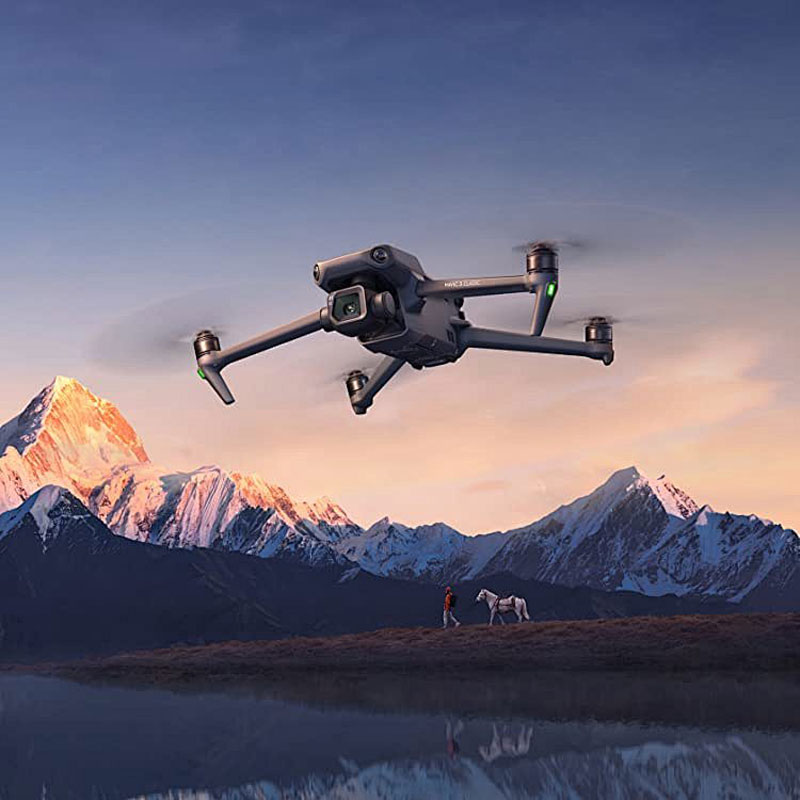
A: Drones contribute to environmental conservation by enabling precision agriculture, reducing emissions associated with traditional transportation, and monitoring environmental changes inexpensively and effectively.
A: Future advancements might include enhanced AI for autonomous operations, extended flight duration through better battery technology, and more robust data security measures to protect privacy.
In conclusion, UAV drones represent a significant leap in technology that transcends traditional boundaries. As they become more integrated into our daily lives, their impact will continue to grow, ushering in a future where aerial innovation plays a pivotal role in all facets of society.