
[data-tgh18u=”dsfd”]The utilization
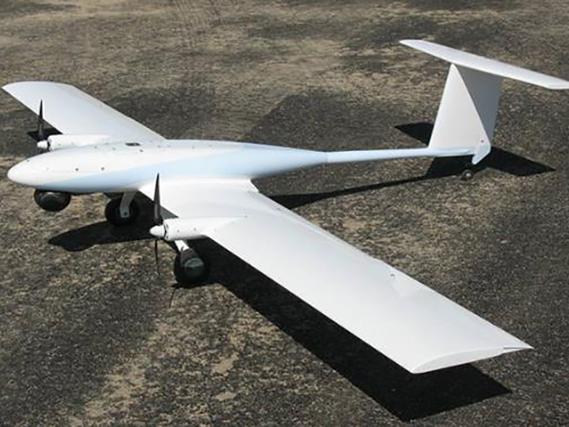
of drones in policing has gained significant momentum in recent years. As technology continues to evolve at a rapid pace, law enforcement agencies are finding innovative ways to integrate drones into their operations. Drones, also known as unmanned aerial vehicles (UAVs), are being used for a variety of purposes, ranging from surveillance to search and rescue missions. Their ability to cover large areas swiftly and provide real-time data has made them invaluable tools for enhancing public safety.
The Advantages of Drones in Law Enforcement
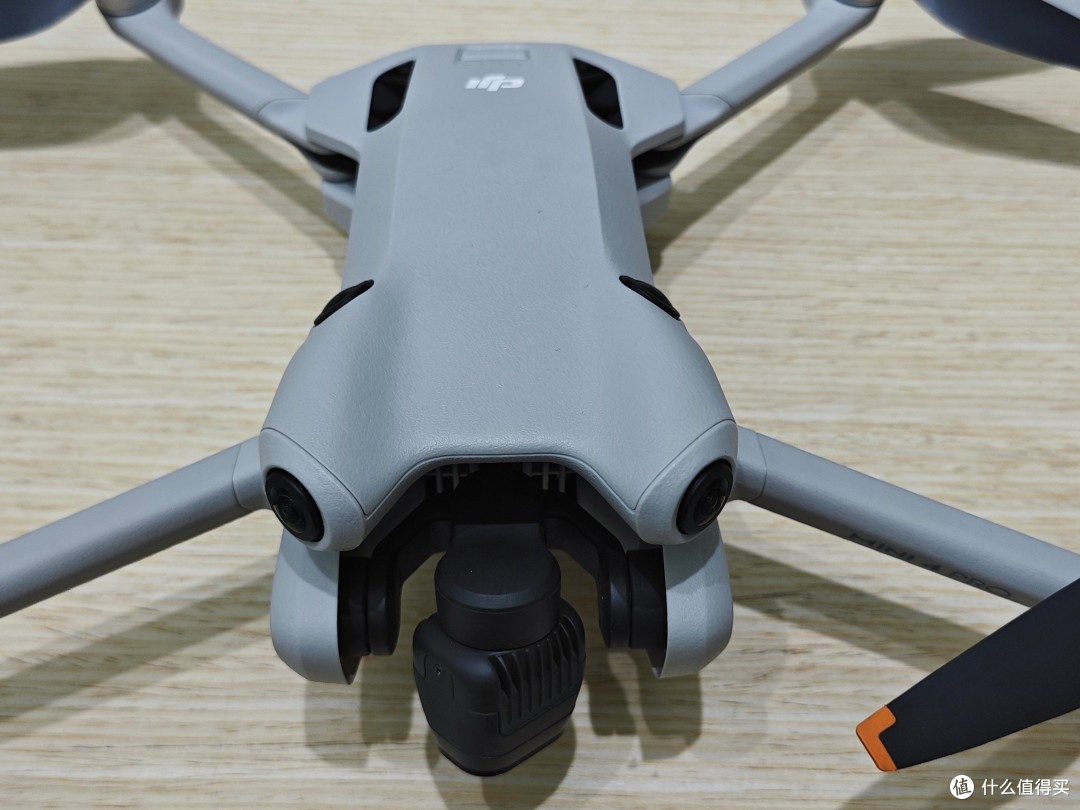
Drones offer several advantages that make them appealing to police forces. Firstly, they provide a bird’s-eye view of situations, offering a perspective that is not easily achievable through traditional means. This vantage point can be crucial in assessing crime scenes, monitoring crowds at public events, or even tracking suspects in real-time. Additionally, drones reduce the need for police officers to be physically present in potentially dangerous situations, thus minimizing risk and enhancing officer safety. Moreover, drones can be equipped with high-resolution cameras and sensors, enabling them to capture detailed information and gather evidence that can be vital in investigations.
Real-World Applications
Several law enforcement agencies have successfully implemented drone technology to improve their operational efficiency. For example, drones are increasingly used in search and rescue missions, where quick deployment and aerial surveys can substantially lessen the time it takes to locate missing persons. In urban settings, drones are utilized to manage traffic congestion and monitor high-crime areas, offering a proactive approach to crime prevention. Furthermore, drones can assist in forensic investigations by providing detailed video and photographic evidence, thus aiding in the reconstruction of crime scenes and facilitating the gathering of critical information.
The ethical implications
of using drones in policing cannot be overlooked. While the benefits are clear, it is crucial to address concerns related to privacy and surveillance. The collection of data by drones, if not regulated properly, can lead to potential infringements on citizens’ privacy rights. Therefore, law enforcement agencies must adhere to strict guidelines and legal frameworks when deploying drones, ensuring that their use aligns with public interest and respects individual freedoms.
Overcoming Challenges and Setting Regulations
As the adoption of drones in policing grows, it becomes essential to establish clear policies and regulations around their use. This includes defining boundaries on where and when drones can be used, specifying the types of data they are allowed to collect, and outlining procedures for data storage and access. Policymakers and law enforcement agencies must work collaboratively to develop these regulations, ensuring transparency and accountability in drone operations.
Technological Advancements
Drone technology is continually advancing, with new models being more versatile and capable than ever before. Innovations such as AI integration, thermal imaging, and enhanced battery life are expanding the applications of drones within policing. These advancements promise to make drones even more efficient and effective in various law enforcement activities, allowing for more precise data collection and quicker response times.
A common concern
revolves around the potential for drones to be hacked or tampered with, which could lead to misuse or loss of critical data. To combat this, measures such as encryption and secure communication channels are essential aspects of drone technology, safeguarding against cyber threats and ensuring that information remains protected.
FAQs about Drones in Policing
How do drones help in crime prevention?
Drones assist in crime prevention
by providing constant surveillance and monitoring of high-risk areas. Their ability to quickly cover large regions allows for rapid reporting to ground teams, thus enabling timely intervention.
What are the privacy concerns associated with police drones?
Privacy concerns center around the ability of drones to capture detailed information without the consent of individuals. It is imperative for agencies to enforce strict privacy regulations to protect citizens’ rights.
Are there any specific legal guidelines for using drones in law enforcement?
Yes, many regions have established legal frameworks that define permissible drone use by police forces. These guidelines are designed to balance operational efficiency with ethical considerations, ensuring respect for public privacy.