
In recent years, the advent of drones has significantly revolutionized military strategies across the globe. As autonomous aerial vehicles, drones provide unprecedented capabilities that have reshaped the battlefield and strategic planning.
Unmanned Aerial Vehicles: Advancing Military Tactics
Drones, more technically known as unmanned aerial vehicles (UAVs), offer various advantages in military operations, including enhanced reconnaissance, precision targeting, and reduced risk to human lives. These capabilities have transformed traditional warfare approaches and continue to influence global military strategies.
The Role of Drones in Reconnaissance
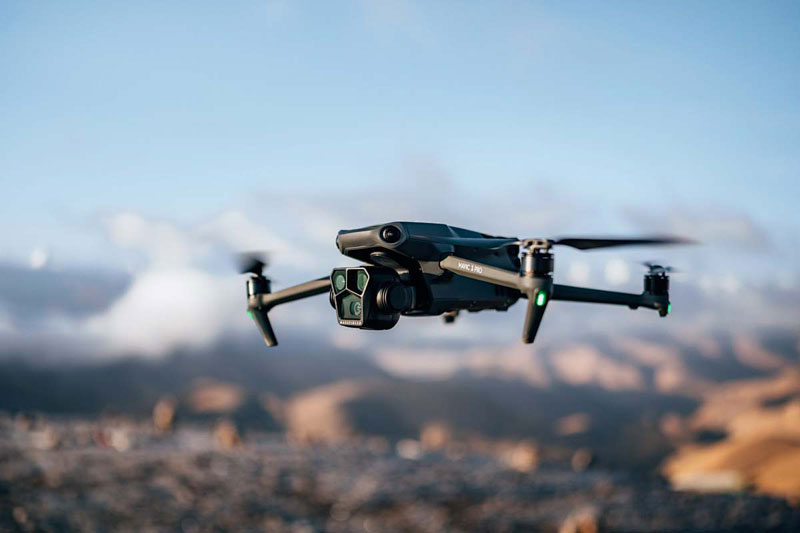
Utilizing drones for reconnaissance missions allows military forces to gather intelligence efficiently and effectively. Equipped with advanced cameras and sensors, drones can survey large areas, providing real-time data that facilitates informed decision-making. This capability is particularly crucial in modern warfare, where timely intelligence can be the deciding factor in a mission’s success.
Precision Targeting and Attack
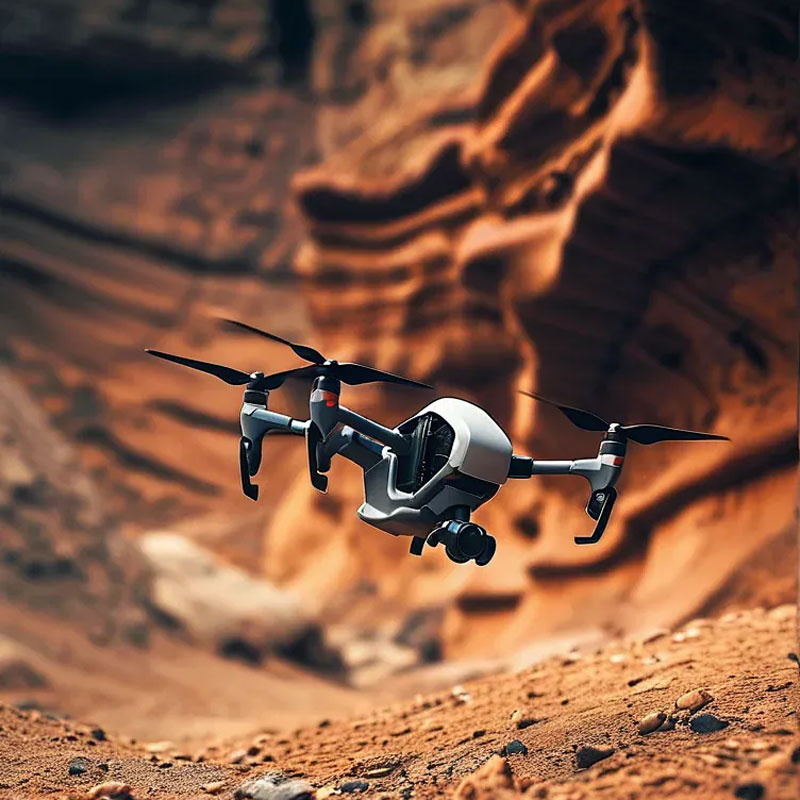
The precision targeting ability of drones has changed how military forces engage targets. With the integration of GPS technology and sophisticated weaponry systems, UAVs can execute attacks with pinpoint accuracy, minimizing collateral damage and enhancing operational efficiency. Drones equipped with military-grade weapons are increasingly used in combat scenarios, offering strategic advantages without putting soldiers at direct risk.
Strategic Flexibility and Reduced Human Risks
Drones provide unparalleled strategic flexibility to military operations. Their ability to operate in various environments, coupled with remote control features, allows for operations in otherwise inaccessible or extremely dangerous zones. This reduces the need for ground troops and minimizes exposure to hostile situations, safeguarding military personnel.
Moreover, the use of drones translates into significant cost savings, enabling military forces to allocate resources efficiently. With advancements in technology, UAVs are becoming more accessible, allowing more nations to incorporate them into their defense strategies, promoting a shift from conventional methods to technology-driven approaches.
Challenges and Ethical Considerations
Despite their benefits, drones also pose challenges, particularly concerning ethics and international laws. The autonomous nature of drones raises questions about accountability and the potential for misuse. There is ongoing debate regarding the rules governing drone warfare, emphasizing the need for clear international standards to manage their use responsibly.
Emerging Technologies and Future Implications
As drone technology advances, the implications for military strategy continue to expand. Innovations such as artificial intelligence and machine learning are being integrated into UAV systems, enhancing their autonomy, decision-making capabilities, and operational effectiveness. These technological advancements suggest a future where drones may play an even more central role in global military operations.
FAQs on Military Drones
Q1: How are drones used in modern military strategies?
Drones are utilized for reconnaissance, surveillance, precision strikes, and in providing strategic data, transforming traditional warfare approaches.
Q2: What are the ethical concerns related to military drones?
Ethical concerns include accountability, potential misuse, and adherence to international laws, necessitating an international framework to regulate drone usage.
Q3: What future technologies might impact military drones?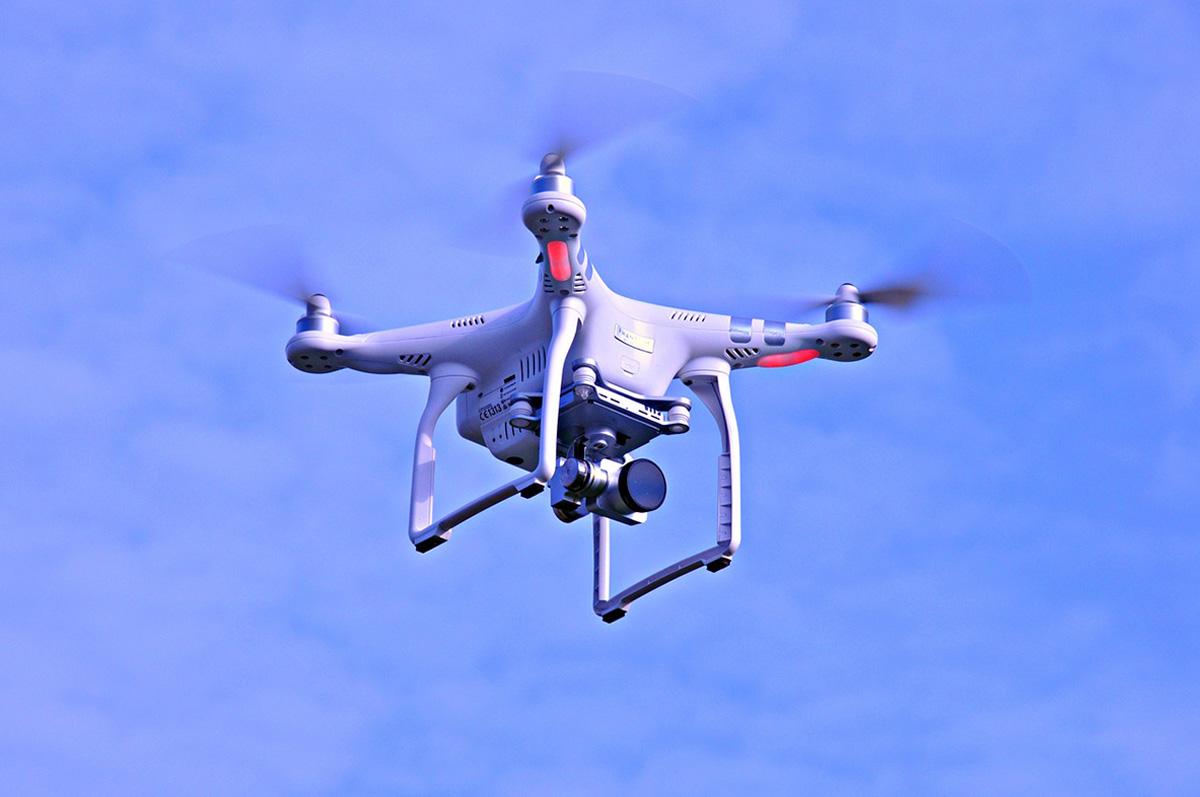
Future technologies such as advanced AI and machine learning are expected to increase UAVs’ capabilities, revolutionizing strategies and enhancing operational effectiveness.