
When it comes to cutting-edge technology, American drones are leading the charge with innovations that are redefining how we view aerial vehicles. The American drone industry has seen rapid advancements, making it a vital component in both civilian and military sectors. This article explores the breathtaking developments and future prospects of American drone technology.
The Rise of American Drone Technology
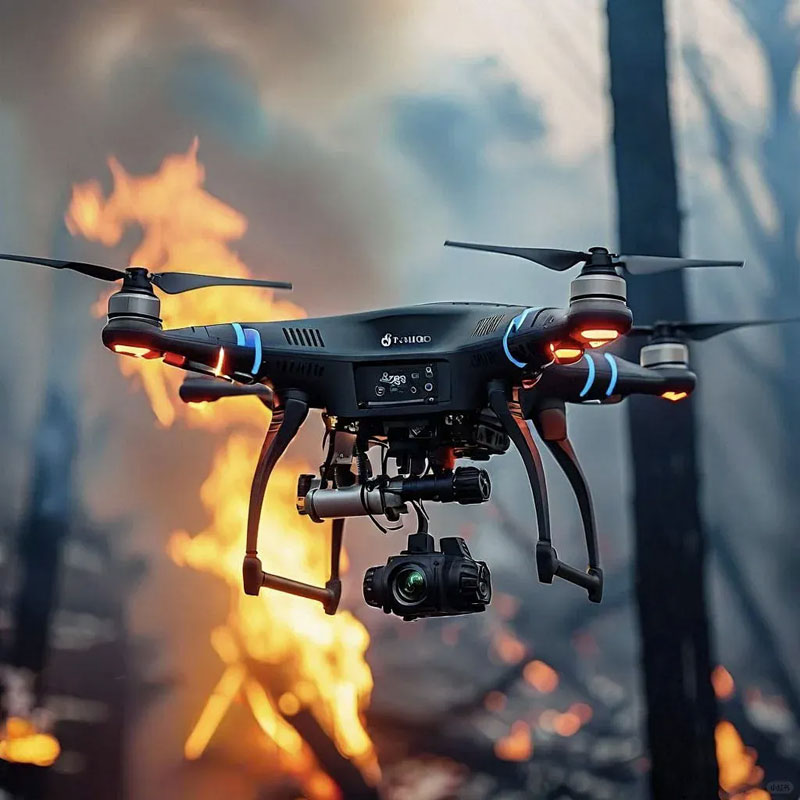
American drone technology has evolved significantly over the years, emerging as a powerhouse in the global market. Originally used predominantly for military applications, drones have expanded their reach into commercial sectors, including agriculture, photography, logistics, and even emergency rescue operations. With the advent of AI integration, drones are now capable of performing complex tasks autonomously, increasing efficiency and reducing human error.
Military Innovations
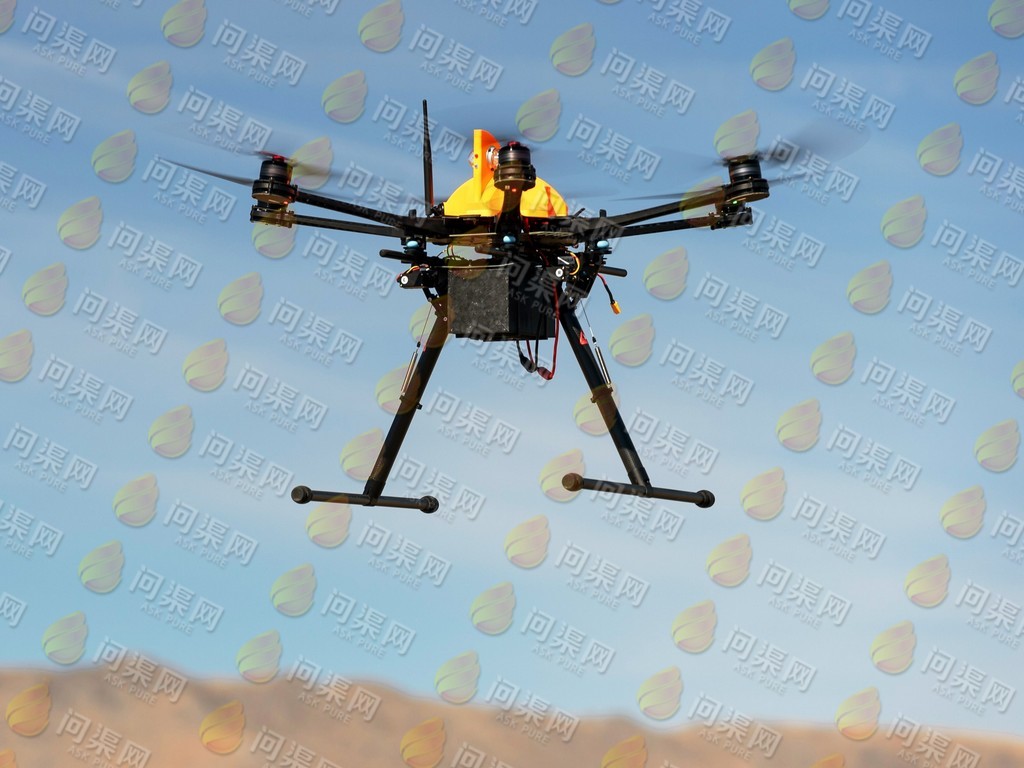
The military has long been at the forefront of drone technology. American military drones such as the MQ-9 Reaper have become synonymous with precision and long-range capabilities. Equipped with advanced sensors and weapons systems, these drones are able to conduct surveillance, targeting, and strike operations with unprecedented accuracy. The integration of AI and machine learning allows these drones to adapt to various scenarios and continuously enhance their operational effectiveness.
Commercial Applications
Beyond defense, American drones are breaking new ground in the commercial sector. With drones becoming increasingly affordable, industries such as agriculture are utilizing them for crop monitoring and management. In logistics, drones are revolutionizing last-mile delivery by reducing costs and delivery times. The ability to quickly capture high-resolution aerial images is transforming real estate, construction, and environmental conservation efforts, showcasing the versatility of drone technology.
Advancements in Drone Design and Technology
One key area of innovation lies in drone design itself. Aerodynamic improvements, lightweight materials, and ultra-efficient power systems are enabling drones to fly longer distances and carry heavier payloads. The incorporation of GPS and advanced navigation systems ensures precise positioning, making drones reliable even in challenging weather conditions. As battery technology improves, we are beginning to see drones with longer flight times, further expanding their operational scope.
Regulatory and Ethical Considerations
The widespread adoption of drone technology brings with it regulatory and ethical considerations. Privacy concerns, airspace regulations, and safety standards are critical areas demanding attention as drones become more integrated into society. American agencies are working collaboratively with manufacturers to establish guidelines that balance innovation with safety and responsibility.
Future Prospects
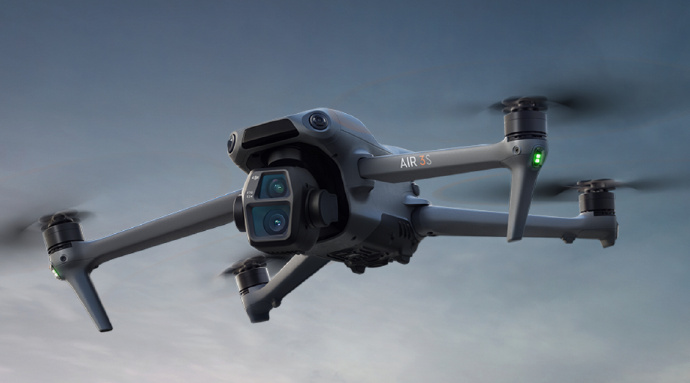
The future of American drones is promising, with developments like swarming technology, which allows multiple drones to coordinate seamlessly. This opens doors for applications in search and rescue, large-scale agricultural monitoring, and sophisticated military tactics. As technology continues to advance, we can expect drones to play a vital role in addressing global challenges, from climate change to disaster management.
FAQs and Common Concerns
Are American drones safe to use? Yes, American drones are built with stringent safety features and are regulated to ensure safe operations across various environments.
How do drones impact privacy? The usage of drones does raise privacy concerns, but regulations help mitigate these by controlling where and how drones can operate.
What are the emerging trends in drone technology? Current trends include AI integration, increased autonomy, swarm technology, and improvements in battery life and payload capacity.