
Exploring Innovations in Military Drone Technology
Military drones have evolved dramatically in recent years, becoming a crucial component of modern warfare. These advanced unmanned aerial vehicles (UAVs) offer unprecedented capabilities for reconnaissance, offensive operations, and logistical support, transforming military strategies worldwide.Military drones range in size and function, from small handheld models used for intelligence gathering to large aircraft capable of carrying weapons and sophisticated surveillance equipment. Their ability to perform high-risk missions without endangering human lives makes them invaluable assets to any military force.

The latest innovations in military drone technology focus on enhancing efficiency, durability, and stealth capabilities. Improved battery life ensures longer flight durations, while cutting-edge materials and designs reduce radar visibility. Artificial intelligence plays a significant role in developing autonomous drones, enabling them to navigate complex environments and make real-time decisions during missions.
If we dive deeper into the realm of military drone technology, the integration of sensor technology emerges as a major advancement. These sensors can detect heat signatures, chemical compositions, and other critical data points from great distances, providing invaluable information in the battlefield scenario. Combining drone technology with AI and machine learning, these UAVs analyze data to predict enemy movements and strategies. This predictive capability allows military forces to prepare more effectively, adjust strategies swiftly, and outmaneuver opponents.
Another innovation driving forward the military drone industry is the development of swarming technology. Inspired by natural phenomena like bird flocks and fish schools, swarming drones work collaboratively, sharing information and reacting to changes collectively. This operation method enhances their effectiveness in surveillance and coordinated attack missions.
- Enhanced communication systems: Modern drones come equipped with robust communication channels that ensure reliable and secure data transmission to their command centers.
- Improved propulsion systems: Advanced propulsion technologies allow drones to fly faster and more quietly, critical for stealth missions.
- Versatile payload capacities: A diverse range of payload options enables drones to be tailored for specific missions, from delivering supplies to deploying weapons.
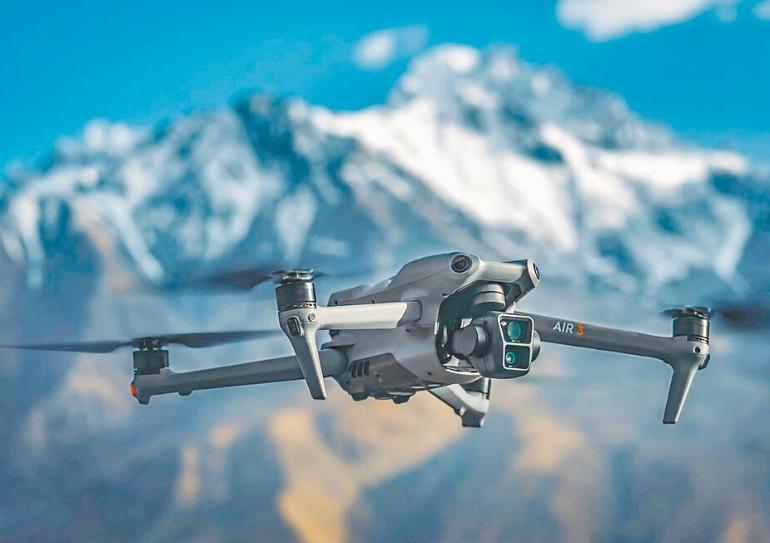
The ethical implications and global impact of military drones cannot be overlooked. As these machines become more autonomous, the potential for misuse increases. International discourse is crucial in establishing regulations to prevent the uncontrolled spread of drone technology, ensuring its use remains within ethical boundaries.
Moreover, military drones have reshaped the geopolitical landscape, affecting international relations and defense policies. Countries are investing heavily in drone technology to gain a strategic advantage, leading to an arms race not just in traditional weapons but in technological superiority.
Frequently Asked Questions
Q1: What are the main uses of military drones?
A1: Military drones are primarily used for reconnaissance, surveillance, targeted strikes, logistics, and intelligence gathering. Their ability to operate in hostile environments without risking human life is paramount.
Q2: Are there ethical concerns regarding military drone use?
A2: Yes, there are significant ethical concerns, including privacy violations, autonomous decision-making without human oversight, and the potential for increased warfare due to remote access.
Q3: How does AI enhance military drone operations?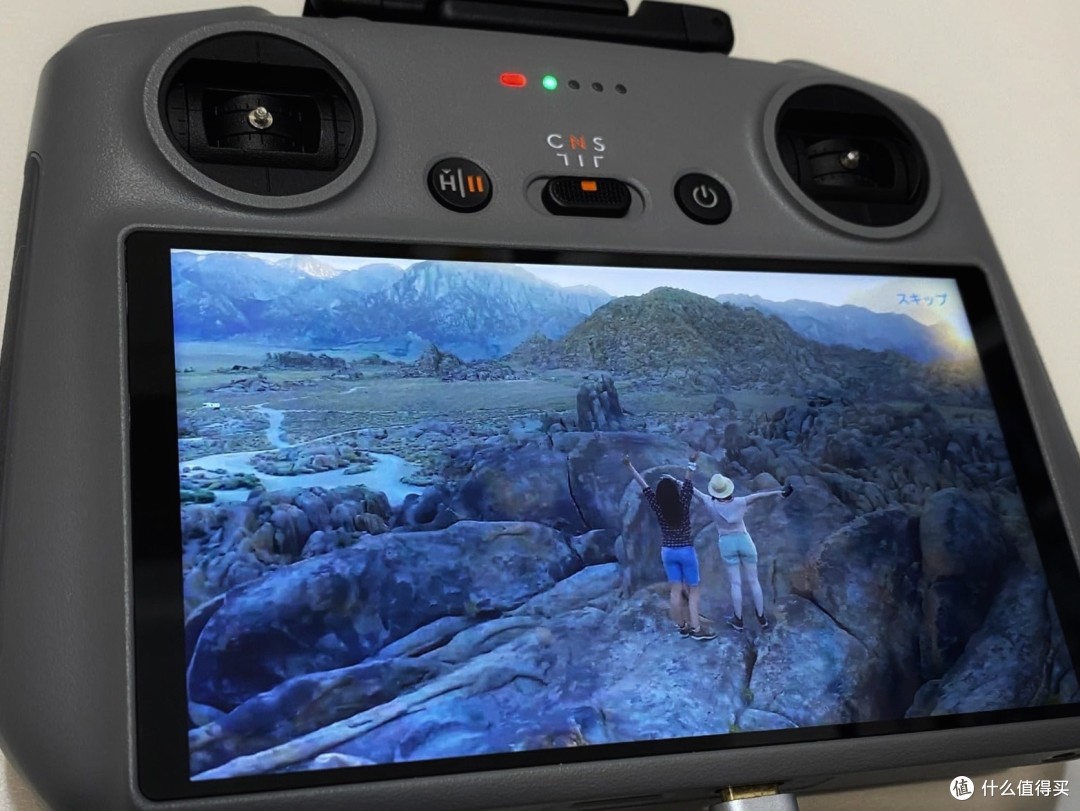
A3: AI enhances military drone operations by enabling real-time data analysis, autonomous navigation, predictive analytics, and adaptive responses during missions, increasing efficiency and reducing the need for human intervention.