
The advent of drones has revolutionized multiple industries, offering unparalleled advantages such as aerial photography, survey, and even delivery services. But one fascinating aspect of drones has piqued the interest of many enthusiasts and professionals alike: night-time drone flights. This captivating phenomenon begs deeper exploration, as drones have become increasingly capable of navigating the skies even after the sun sets.
The Technology Behind Drones in the Dark
Drones flying at night leverage advanced technology to ensure safe and effective operations. Equipped with night vision cameras, infrared sensors, and sometimes LED lights, these drones navigate dark environments with remarkable precision. Night vision and infrared sensors help capture images by detecting heat signatures, making them invaluable for applications like wildlife monitoring.
Drone operators employ sophisticated software to plan flight routes during night operations, considering factors such as obstacle avoidance and weather conditions. Importantly, regulations concerning night flights demand that drones have anti-collision lights to ensure visibility to other aircraft, adding another layer to their technological requirements.
Applications of Drones at Night
The ability to fly drones at night is harnessed by multiple sectors, enhancing their productive capacity. In law enforcement and search and rescue, drones flying at night can swiftly locate individuals using heat signatures, facilitating quicker and more efficient operations.
In agricultural spheres, night-time drones assist in monitoring vast acres of land with thermal imaging, which can detect subtle changes in plant health not visible during the day. Providing farmers with crucial data allows for timely decisions and interventions.
Moreover, media and film industries capitalize on the unique aesthetics of night-time aerial shots, creating dramatic visuals that capture viewers’ imaginations.
Legal Considerations and Safety Measures
Flying drones at night requires adherence to strict regulations to ensure safety. The Federal Aviation Administration (FAA) mandates that drone operators must have a special waiver to conduct night-time operations, and drones must be equipped with anti-collision lights visible from a minimum of three miles away.
Operators must also be vigilant about privacy concerns, ensuring that drones do not infringe on individual privacy rights by capturing unwarranted footage. Additionally, understanding local laws and obtaining necessary permits is essential for legal compliance when flying drones after dark.
Frequently Asked Questions
Q: Can all drones be used for night-time operations?
A: Not all drones are equipped for night flights. It’s essential to use drones with specialized night vision capabilities, suitable sensors, and legal lighting equipment.
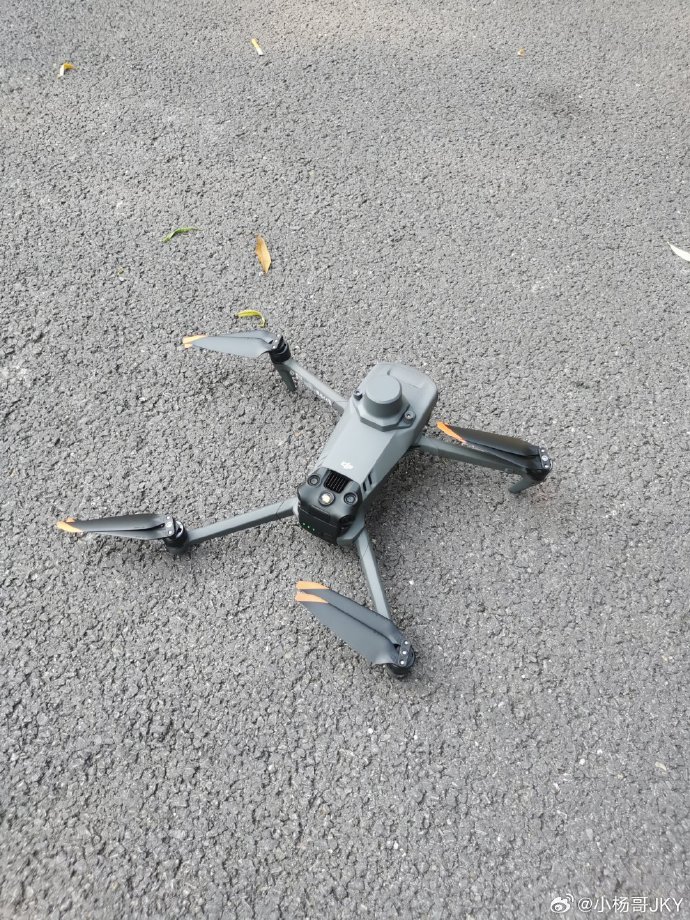
Q: What is the importance of anti-collision lighting?
A: Anti-collision lighting ensures visibility, preventing collisions with other air traffic, and is a legal requirement for night-time drone flights.
Q: How can drones contribute to night-time search and rescue missions?
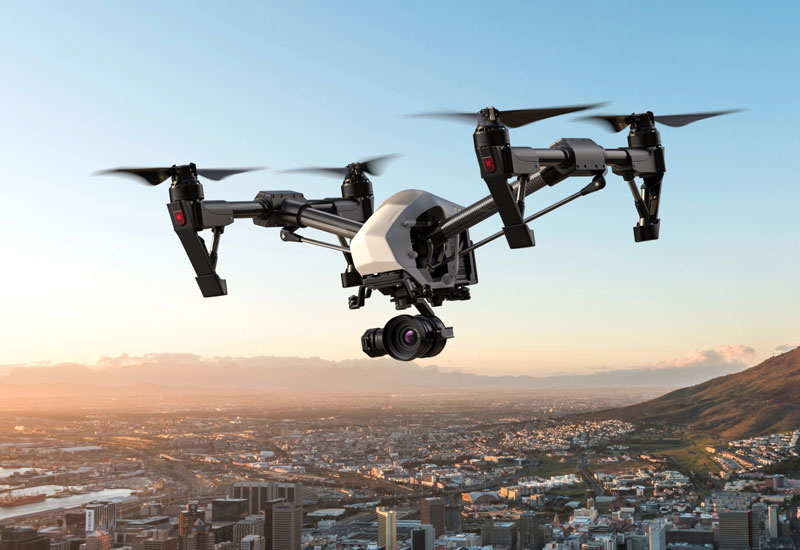
A: Drones expedite location tracking via thermal imaging, significantly reducing response time and increasing the likelihood of successful rescues at night.