
Understanding the Popularity of Drones on Long Island
The surge in drones over Long Island can be attributed to the region’s diverse landscape–ranging from sandy beaches to suburban neighborhoods–which offers enthusiasts and professionals varied environments for drone operation. These devices, equipped with HD cameras and advanced navigation systems, provide stunning aerial visuals, making them invaluable for real estate listings, environmental monitoring, and local news media coverage.
- Drones empower landscape photographers to capture the beauty of Jones Beach, Fire Island, and the North Fork vineyards from perspectives previously impossible.
- Environmental researchers utilize drones to monitor coastal erosion and wetland preservation projects, gaining data swiftly and efficiently.
But as drones over Long Island become more prevalent, they prompt questions among residents about privacy, noise, regulatory compliance, and safety.
The Many Uses of Drones in Long Island
 Beyond recreational use, drones play an essential role in public safety, utility inspections, and emergency response. The Suffolk County Police and fire departments, for example, have integrated drones to assess dangerous situations without exposing personnel to risks. Utility companies leverage fleet drones to inspect power lines and infrastructure across Long Island, reducing maintenance times and downtime.
Agriculture in eastern Long Island benefits from drones by enabling precision crop monitoring. Farmers deploy drones to apply fertilizer, spot irrigation issues, and manage livestock, optimizing productivity and reducing labor costs. Local universities also introduce drone workshops, offering STEM education initiatives and hands-on learning experiences for students fascinated by aviation and robotics.
Drone Regulation and Community Concerns
As the airspace over Long Island grows busier, state and federal laws evolve in response. The Federal Aviation Administration (FAA) regulates commercial and recreational drone flights, requiring operators to register most drones and comply with flight restrictions around airports, sporting events, and sensitive areas. Local government has enacted ordinances to address specific concerns, especially noise disturbance and invasion of privacy when drones fly near residential properties. Neighborhood associations often urge drone pilots to maintain respectful altitudes and avoid recording or photographing private spaces without consent. Enforcement may involve fines or confiscation of equipment if regulations are breached.
Drones over Long Island are a double-edged sword—they offer immense benefits but require responsible use to ensure community harmony.
Economic and Social Impact of Drones
The economic significance of drones is becoming evident throughout Long Island, as new businesses emerge to cater to both drone hobbyists and commercial clients. Drone repair shops, training centers, and flight clubs have sprung up, bolstering local employment and stimulating innovation. Realtors rely on drones to create video tours of properties, increasing sales conversion rates and market engagement. Meanwhile, filmmakers document the region’s history and marine life with dramatic aerial footage. Package delivery trials by major retailers underscore the potential for same-day shipping in suburban Long Island. These initiatives could reduce transit times and traffic congestion while providing a route to eco-friendlier delivery systems.
However, drones over Long Island also pose challenges. Some residents express concerns over increased noise, the risk of drones colliding with birds or manned aircraft, and personal privacy intrusions. Educational campaigns and public forums help demystify misconceptions, teaching operators about safety and etiquette.
Future Trends and Innovations
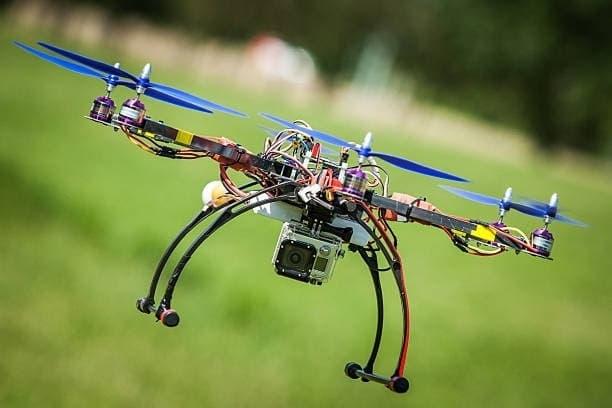 The future promises even more advanced drones over Long Island. Upcoming technologies include longer battery life, improved AI navigation, and real-time data transmission to enhance search and rescue operations. Urban planners may team with drone experts to develop smart infrastructure, implementing air corridors for drones to safely transport goods and information. Integration with 5G networks suggests faster, safer real-time communication between devices, enabling innovative applications in healthcare—such as delivering emergency medicine to isolated communities.
The local government is exploring digital air traffic control systems to manage the growing number of drones, ensuring safety while facilitating commerce and emergency services. Drone mapping can aid disaster preparedness, identifying flood risks and guiding evacuations during hurricanes or severe storms typical of Long Island’s coastal climate.
How to Fly Drones Responsibly Over Long Island
If you’re considering operating drones over Long Island, familiarize yourself with FAA rules and local ordinances. Stay clear of airports, densely populated gatherings, and protected wildlife zones. Respect others’ privacy, especially in neighborhoods and recreational spaces. Many community centers offer drone safety seminars, ensuring responsible pilots protect the unique character and tranquility of Long Island.
Respect for local wildlife is important; be mindful during breeding seasons when birds are nesting along Long Island’s shores. Responsible drone operators are ambassadors for technology, showcasing its advantages while minimizing disruptions.
- Register your drone if required.
- Clearly mark your drone with contact information.
- Fly below 400 feet altitude unless otherwise permitted.
- Maintain visual line-of-sight.
Conclusion
The dynamic rise of drones over Long Island is transforming everything from commerce and public safety to recreation and environmental awareness. When flown responsibly, drones enhance the local quality of life and open doors to creativity and economic prosperity.
Challenges remain, including evolving laws and community acceptance, but ongoing education and transparent dialogue help integrate drones into a harmonious regional ecosystem.
Frequently Asked Questions
- Do I need a license to fly drones over Long Island?
- Recreational pilots generally do not need a license but must register drones with the FAA if over the weight threshold. Commercial operators require Part 107 certification and must comply with FAA guidelines and local laws.
- Are there restricted areas for drone flights?
- Yes. FAA flight restrictions apply near airports, military installations, and public events. Several towns and parklands also enforce drone bans or designated flight zones.
- How can drones benefit Long Island communities?
- Drones aid in emergency response, enhance real estate listings, support ecological research, and offer innovative services like aerial mapping and package delivery. Their impact depends on responsible operation and community engagement.